The short version
- Republican senators are divided on whether to hold leadership elections immediately or postpone them to facilitate a broader discussion about the party's strategy following midterm defeats.
- Senator John Thune is expected to retain his position as leader despite internal pressure, as he remains popular and faces no formal opposition within the conference.
- Uncertainty persists regarding the final composition of the Senate GOP caucus, with two key races in Alaska and Mississippi still undecided.
Senate Republicans convened on Tuesday to address their organizational future after suffering substantial losses in the recent midterm elections. The gathering centered on a critical decision: whether to proceed immediately with leadership elections or delay the process to allow for more extensive internal debate. This meeting marks the first major test of unity for the party since losing its majority, a shift that cost them at least seven seats and fundamentally altered their standing in Washington.
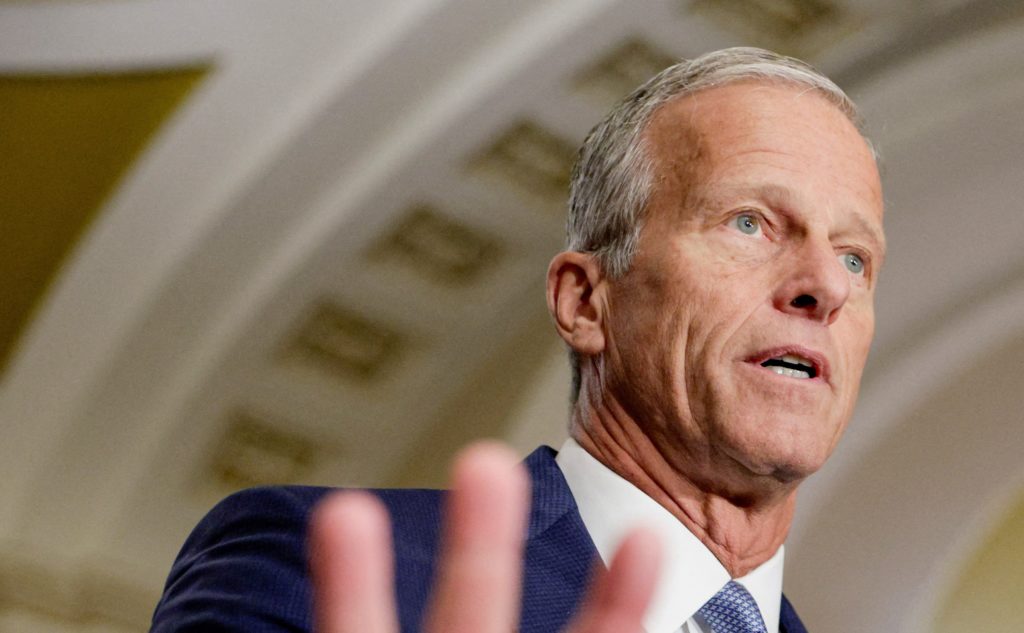
South Dakota Senator John Thune is widely anticipated to be reelected as the Republican leader. He enters the vote running unopposed and retains strong support among his colleagues. Thune has positioned himself as a stabilizing figure, having replaced Mitch McConnell in early 2025 and navigating a complex relationship with President Donald Trump. While he generally supports the president’s policy agenda, Thune has resisted calls to eliminate the filibuster for voting legislation, a stance that has occasionally frustrated the White House but preserved his standing within the Senate.
Despite Thune’s popularity, a faction of Republican senators argues that holding the election now is premature. Wisconsin Senator Ron Johnson circulated a letter urging a delay in the closed-door, secret-ballot vote. Johnson contends that the magnitude of the electoral defeat requires genuine introspection rather than a return to routine procedures. He emphasized that continuing as usual would ignore the clear signal sent by voters, suggesting that the party needs time to understand what went wrong before locking in leadership structures.
Other lawmakers have echoed this call for pause. Missouri Senator Josh Hawley described the midterm results as a repudiation of the Congress’s recent focus, particularly citing cuts to Medicaid and rural hospital funding included in last year’s tax legislation. Hawley expressed alarm at the lack of acknowledgment from leadership regarding these policy missteps. He argued that the party must articulate a new direction focused on lowering costs for Americans, rather than simply maintaining the status quo.
Pennsylvania Senator Dave McCormick and Indiana Senator Jim Banks also advocated for a period of digestion and debate before selecting leaders. They believe that frank conversations about shortcomings are necessary to rebuild trust and effectiveness. Utah Senator Mike Lee joined this group, suggesting that any leadership contest should wait until two outstanding Senate races in Alaska and Mississippi are resolved. The outcomes of these contests could further reduce the Republican caucus size, making it prudent to finalize the roster before determining leadership.
Conversely, other senators argue for swift action to ensure stability. Oklahoma Senator Jim Lankford noted that Thune enjoys widespread support and that the role of leader is inherently difficult, with few willing to take on the burden. He supported holding the elections while new members are in town for orientation. South Dakota Senator Mike Rounds added that having leadership in place is essential for moving forward. These senators view delay as unnecessary given Thune’s unchallenged status and his established relationships with the rank and file.
The leadership team has declined to move the election schedule, which includes contests for other party positions. However, individual senators retain the ability to seek a vote to postpone the proceedings. The elections are set to take place in the Old Senate Chamber, a small room adjacent to the main chamber where the broader legislative business occurs. Thune promised a robust conversation about the path forward, leaving the final decision to the consensus of the conference.
President Trump has offered public support for Thune, describing him as a fine man and stating that the election outcome is up to the Senate. This endorsement helps insulate Thune from external pressure, even as internal debates continue. The party now faces the dual challenge of managing its reduced numbers and defining a new political identity. Whether they choose immediate continuity or delayed reflection will signal how seriously they take the electorate’s message.
As the day progresses, the Senate will also consider bills related to permitting and survivor justice. These legislative items underscore the ongoing responsibilities of the chamber, even amidst internal turmoil. The resolution of the leadership question will set the tone for the remainder of the session, influencing how Republicans approach negotiations with Democrats and engage with the executive branch. The coming weeks will reveal whether the party prioritizes stability or strategic overhaul.
The uncertainty surrounding the Alaska and Mississippi races adds another layer of complexity. Until those results are certified, the exact size of the Republican caucus remains in flux. This ambiguity complicates long-term planning and coalition building. Senators must balance immediate procedural needs with the broader imperative to rebuild their political standing. The decisions made in this closed-door meeting will have lasting implications for the party’s trajectory in Washington.
Sources behind this briefing
Go to the original reporting
- PBS NewsHour↗WATCH LIVE: Senate considers bills on permitting, survivor justice as GOP mulls future leadership


