The short version
- The Senate Judiciary Committee voted along party lines to advance Todd Blanche’s nomination for attorney general after he formally rescinded a disputed fund.
- Key Republican senators John Cornyn and Thom Tillis agreed to support the nomination only after receiving written guarantees that the money would not be used for political allies.
- Democratic lawmakers and legal experts remain skeptical, arguing that the administration could easily reverse the decision and that the deal offers little long-term protection.
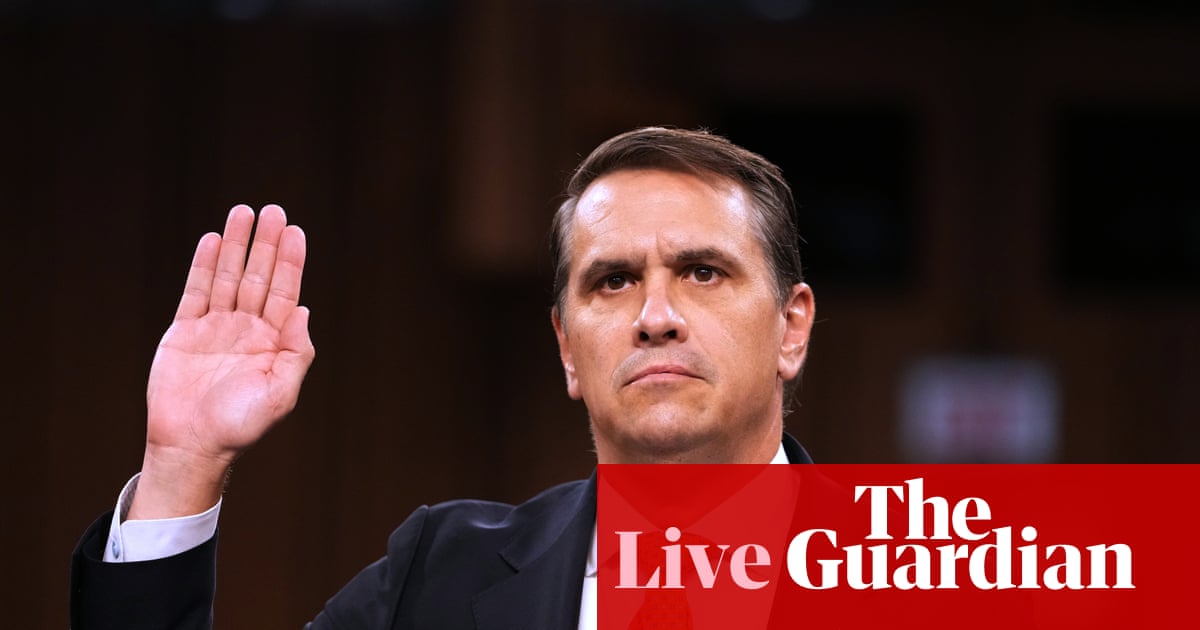
The Senate Judiciary Committee voted to advance the nomination of Todd Blanche as attorney general on Tuesday, clearing a significant hurdle for the candidate after he secured crucial support from Republican holdouts. The committee’s decision came along strict party lines, reflecting deep divisions within the chamber regarding the suitability of Trump’s former personal defense lawyer to lead the Department of Justice. Blanche’s path forward now leads to a full Senate vote, where Democrats have signaled they will likely mount intense opposition.
Central to the committee’s approval was a last-minute agreement between Blanche and two senior Republican senators, John Cornyn of Texas and Thom Tillis of North Carolina. Both lawmakers had previously indicated they would block the nomination unless Blanche provided firm guarantees regarding a controversial financial arrangement known as the anti-weaponization fund. Under the terms of the deal, Blanche formally rescinded the fund in writing, confirming that it would not be revived. He also clarified that broad tax immunity granted to the president through a related settlement applied only retroactively and was limited to Trump, his sons, and their businesses.
The fund in question originated from a May settlement ending a lawsuit Trump filed against the Internal Revenue Service. The legal action followed the leak of the president’s confidential tax records by a former IRS contractor who has been serving a prison sentence since 2024. Trump had framed the roughly $1.8 billion pool as compensation for individuals he claimed were unfairly targeted by politically motivated investigations. Critics, however, viewed the arrangement as a potential mechanism to reward political loyalists, including some defendants involved in the January 6 Capitol riot.
Senator Tillis described the proposed fund as a payout pot for punks and stated he was satisfied that it had been shelved permanently. Despite casting his vote in favor of advancing the nomination, Tillis expressed lingering concerns about the politicization of the justice department under Blanche’s potential leadership. He specifically criticized the ongoing prosecution of former FBI director James Comey in eastern North Carolina, which stemmed from a photograph Comey posted featuring seashells arranged to spell out numbers associated with removing Trump from office.
Senator Cornyn echoed the necessity of securing written assurances, noting that while some might view the negotiations as nitpicking, they were critically important for maintaining institutional integrity. He stated that there was no alternative but to take Blanche’s word regarding the fund’s termination, adding that it would be highly unlikely for the initiative to be revived without the cooperation of the justice department itself. Cornyn emphasized that he expected the department to honor these commitments in future litigation.
Democratic members of the committee remained unconvinced by the assurances provided. Senator Sheldon Whitehouse of Rhode Island characterized Blanche as potentially the most discreditable person ever to seek the office of attorney general. Democrats highlighted several controversies surrounding Blanche’s past work, including his defense of the fund, his handling of files related to Jeffrey Epstein, and his involvement in prosecutions targeting protesters and political rivals. They argued that these actions demonstrated a willingness to subordinate legal independence to presidential directives.
Senator Cory Booker of New Jersey dismissed the agreement as farcical, suggesting it offered little substantive protection against future reversals. Legal experts have similarly noted that the administration retains the ability to easily undo the deal, raising questions about the long-term viability of the rescission. Blanche’s order emphasized that the fund had never been operational, with no board appointed and no money moved or claims paid. However, the lack of structural barriers means the political risk remains a focal point for opponents.
The Department of Justice separately clarified that the IRS-related order did not amount to blanket protection from future audits for Trump or his family beyond the specific plaintiffs in the original settlement. This distinction was intended to address concerns about broad immunity, but it has not fully alleviated fears among critics who view the entire episode as a test of executive overreach. As the nomination moves to the full Senate, the debate is likely to intensify, with both sides framing the confirmation as a referendum on the independence of the justice system.
The outcome of the full Senate vote will depend largely on whether additional Republicans join Cornyn and Tillis in supporting Blanche or if Democrats can unify their opposition effectively. The controversy surrounding the fund has already drawn public criticism from Trump, who appeared displeased with the concessions made to secure committee approval. This tension underscores the fragile nature of the political coalition supporting the nomination and highlights the ongoing struggle between executive authority and legislative oversight.
Observers will be watching closely to see if the written assurances hold weight in practice or if they serve merely as a procedural formality. The incident has reignited broader discussions about the role of the attorney general and the extent to which the position should remain insulated from political pressure. With the committee vote concluded, the focus now shifts to the floor of the Senate, where the final determination on Blanche’s tenure will be made amidst continued scrutiny and partisan friction.
Sources behind this briefing
Go to the original reporting
- The Guardian World↗US Senate committee votes to advance Todd Blanche’s nomination for attorney general – US politics live
- The Guardian US Politics↗Todd Blanche’s attorney general nomination will advance to full US Senate vote

