The short version
- Republican Senators John Cornyn and Thom Tillis agreed to support Todd Blanche’s nomination after receiving written assurances that no compensation fund for political allies would be created under the IRS settlement.
- The Justice Department clarified that tax audit immunity applies only to open claims involving Trump, his sons, and the Trump Organization, excluding future filings and other family members.
- Critics maintain that Blanche’s order is insufficient to prevent the administration from using existing legal mechanisms to compensate allies or revive the fund after confirmation.
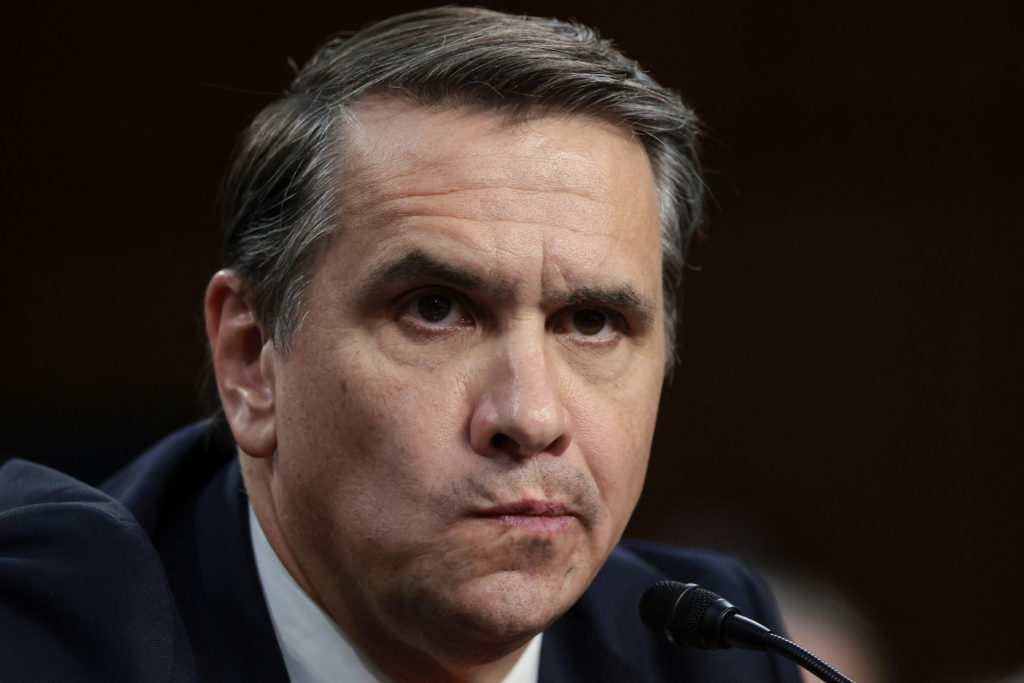
The Senate Judiciary Committee moved forward with the nomination of Todd Blanche to serve as Attorney General on Tuesday, following a critical agreement reached late Sunday with two Republican senators who had threatened to block his confirmation. The vote represents a resolution to a standoff that had delayed the committee’s proceedings and highlighted deep divisions within the party regarding the independence of the Justice Department. Blanche, who currently serves as acting attorney general, secured the necessary support after providing written assurances to Senators John Cornyn of Texas and Thom Tillis of North Carolina concerning the terms of a controversial settlement involving former President Donald Trump’s lawsuit against the Internal Revenue Service.
The central point of contention was a provision in the settlement that appeared to authorize an $1.8 billion fund intended to compensate individuals who believed they were prosecuted for political reasons by the previous administration. Cornyn and Tillis had withheld their votes until the Justice Department confirmed in writing that it would not proceed with establishing this fund. In response, Blanche issued an order on Sunday evening stating unequivocally that no such fund exists. The directive specified that no members had been appointed to oversee it, no funds had been transferred, no process for receiving claims had been established, and no payments had been made.
Beyond the compensation issue, the senators demanded clarification regarding tax audit immunity granted as part of the same settlement. The Justice Department’s written response clarified that the immunity agreement applies strictly to claims that were open at the time the settlement was finalized. It explicitly does not protect Trump or his associates from examinations of future tax filings. Furthermore, the agreement limits coverage to the specific parties who initiated the lawsuit: Donald Trump, two of his sons, and the Trump Organization. This narrow scope was designed to address concerns that broader immunity could shield other family members or entities from standard IRS scrutiny.
Despite these concessions, Democratic lawmakers argue that Blanche’s administrative order does not go far enough to ensure long-term accountability. They contend that the current measures do not prevent the Trump administration from reviving the compensation fund after Blanche is confirmed as attorney general. Consequently, Democrats are calling for new legislation to permanently bar the creation of such a fund. Additionally, critics note that the order does not stop the administration from compensating Trump allies, including individuals involved in the January 6 Capitol attack, through previously established legal processes that allow citizens to file claims for damages if they believe they have been wronged by the government.
Blanche’s path to confirmation has been marked by intense scrutiny regarding his ability to maintain independence from the White House. As a former personal lawyer for Trump and a key member of his defense team during four indictments, Blanche has faced questions about whether he can impartially oversee the Justice Department’s pursuit of the president’s political foes. His elevation to acting attorney general followed the departure of Pam Bondi, who failed to meet Trump’s demands regarding prosecutions of perceived opponents. Since taking the top post, Blanche has accelerated investigations into Trump adversaries and advanced other White House priorities, drawing condemnation from critics who argue he has not shed his role as a loyalist.
One of the most contentious actions under Blanche’s interim leadership was the move to indict former FBI Director James Comey. The charges stemmed from a social media post in which Comey arranged seashells to form the numbers "86 47," which prosecutors alleged constituted a threat against the president. Comey’s legal team has accused the Justice Department of misleading judges, submitting documents containing false statements, and withholding key facts to facilitate what they describe as a politically motivated prosecution. This case has further fueled concerns about the politicization of federal law enforcement under Blanche’s direction.
The underlying lawsuit that triggered this confirmation crisis involved Trump’s $10 billion legal challenge against the IRS regarding his leaked tax returns. The case drew sharp criticism for its unusual nature, with a judge recently condemning it as an improper exercise in self-dealing. The judge noted that the president was challenging an agency overseen by the executive branch he leads and referred one of Trump’s attorneys for potential disciplinary action. This judicial rebuke added pressure on Republican senators to ensure that any settlement did not set a dangerous precedent for executive overreach or financial impunity.
Cornyn and Tillis, who are not returning to Capitol Hill after their terms end in January, played a pivotal role in forcing the administration to clarify the settlement’s terms. Their willingness to withhold support underscored the growing unease among some Republicans about the boundaries of executive power and the integrity of the Justice Department. While Blanche insisted he was not auditioning for the permanent post when he took on acting duties, his swift actions to align departmental priorities with White House goals have made his confirmation a focal point for debates on judicial independence.
Blanche also appointed Joseph diGenova, an 81-year-old former prosecutor from the Reagan administration, to oversee a Florida-based investigation. This probe examines whether former law enforcement and intelligence officials conspired over the last decade to undermine Trump’s presidency. The appointment has drawn additional criticism from those who view it as part of a broader effort to target political opponents. As the committee vote concludes, the focus will shift to the full Senate, where Blanche must navigate further questions about his loyalty, independence, and the implications of the IRS settlement for future administrations.
The resolution of this standoff provides a temporary reprieve for the Trump administration’s judicial agenda but leaves lingering questions about the durability of these agreements. Without legislative action, the mechanisms used to settle the IRS lawsuit could potentially be revisited or expanded in the future. The episode highlights the delicate balance between executive authority and congressional oversight, particularly when legal settlements involve significant financial components and broad immunity provisions. As Blanche prepares for his confirmation hearing before the full Senate, the written assurances he provided will likely serve as a benchmark for evaluating his commitment to institutional norms.
Sources behind this briefing
Go to the original reporting
- PBS NewsHour↗WATCH LIVE: Senate Judiciary Committee votes on Blanche nomination for attorney general

