The short version
- Senators questioned Thumann about whether she supports Chairman Brendan Carr’s actions against ABC and late-night host Jimmy Kimmel, which critics characterize as politically motivated censorship.
- Thumann stated she was not involved in media-related investigations or license renewal decisions, though she acknowledged that editorial judgment is protected by the First Amendment.
- Democratic lawmakers warned that the commission will face heightened oversight and potential subpoenas if they regain control of Congress in January.
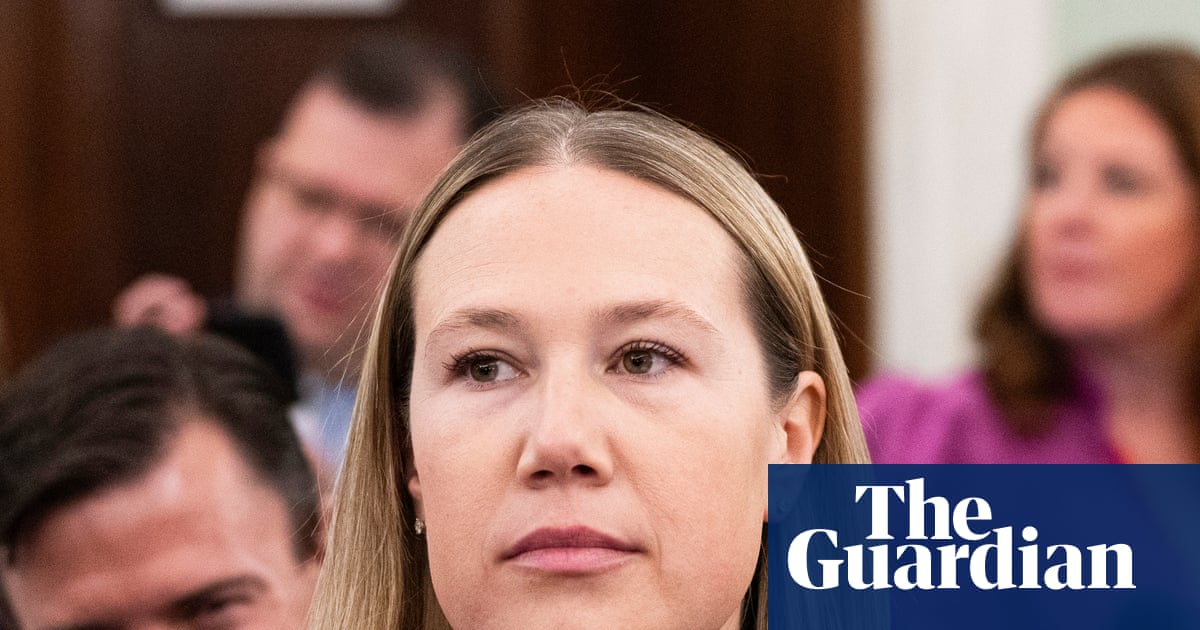
A contentious confirmation hearing for Danielle Thumann, Donald Trump’s nominee to serve as a Federal Communications Commission commissioner, highlighted deepening tensions between Senate Democrats and the current FCC leadership. Lawmakers focused their questioning on recent regulatory actions taken under Chairman Brendan Carr that have drawn criticism for appearing hostile to press freedom. The scrutiny centered specifically on the commission’s handling of ABC and its late-night host Jimmy Kimmel, following public rebukes from President Trump and First Lady Melania Trump.
Senators pressed Thumann, who currently serves as senior counsel to Carr, to clarify her stance on what they described as an illegal campaign to remove Kimmel from television airwaves. Ben Ray Luján, a senator from New Mexico, repeatedly asked whether she supported the chairman’s actions, including a rare order in late April that forced ABC to apply early for the renewal of its local station licenses. This regulatory move occurred shortly after the president and first lady criticized Kimmel, leading to accusations that the FCC was leveraging its authority to punish broadcasters for content displeasing to the White House.
Thumann maintained that she had not worked with Chairman Carr on any media-related issues and was unfamiliar with the details of the ABC investigation or the early license renewal process. She stated that she had not participated in conversations regarding the network’s practices or matters involving Kimmel. When Luján asked her to identify an issue on which she had disagreed with Carr, Thumann declined to provide a specific example, leaving questions about her independence and alignment with the chairman’s regulatory philosophy unanswered.
Senator Ed Markey of Massachusetts intensified the pressure by accusing the commission of pursuing a censorship agenda. He questioned whether the FCC possesses the constitutional authority to penalize a broadcaster simply because the president disagrees with its news coverage. Markey argued that such actions violate fundamental First Amendment protections and asserted that Thumann was evading direct answers about her willingness to defend these rights against political threats from her current boss.
Despite the aggressive line of questioning, Thumann did acknowledge certain constitutional boundaries during the hearing. In response to inquiries from Senator Tammy Duckworth regarding political pressure on disfavored networks, Thumann stated that editorial decision-making is protected by the First Amendment for broadcasters. She added that she does not believe licensing decisions should be based purely on dissatisfaction with aired content, though her refusal to explicitly condemn Carr’s actions left Democrats unsatisfied with her commitment to regulatory neutrality.
Procedural objections also emerged during the hearing, with several Democratic senators arguing that it was inappropriate for the Commerce Committee to hold the confirmation vote. They pointed out that if Republicans were nominating another member of their party to the commission, precedent suggested they should also nominate a Democrat to maintain balance. The FCC currently includes one commissioner nominated by a Democratic president, Anna M Gomez, although her term has technically expired, raising questions about the commission’s current partisan composition and legitimacy.
The hearing concluded with stark warnings from Democratic lawmakers regarding future oversight. Luján directed a message to Chairman Carr, stating that if Republicans lose control of the Senate in January, the commission will face intense scrutiny. He noted that Democrats would no longer be bound by the gavel’s protection and indicated that subpoena authorities could be used to investigate what he characterized as nonsense and cover-ups within the agency.
While Thumann is expected to be approved given Republican control of both the Senate and House, the hearing underscored the fragile state of trust between regulators and lawmakers. The exchange highlighted concerns about the politicization of broadcast regulation and set the stage for potential conflicts if the political landscape shifts in the new year. Democrats have signaled their intent to closely monitor FCC actions, particularly those involving media entities critical of the administration.
Sources behind this briefing
Go to the original reporting
- The Guardian US Politics↗Trump’s FCC nominee avoids questions from Democrats on Carr’s ‘censorship agenda’