The short version
- Dr. Erica Schwartz was confirmed by the Senate as the 22nd director of the Centers for Disease Control and Prevention in a narrow 51-44 vote.
- She assumes leadership of an agency that has lost more than one-quarter of its staff due to resignations and layoffs since the current administration took office.
- Schwartz is the third nominee for the position, following the withdrawal of David Weldon and the brief tenure and subsequent firing of Susan Monarez.
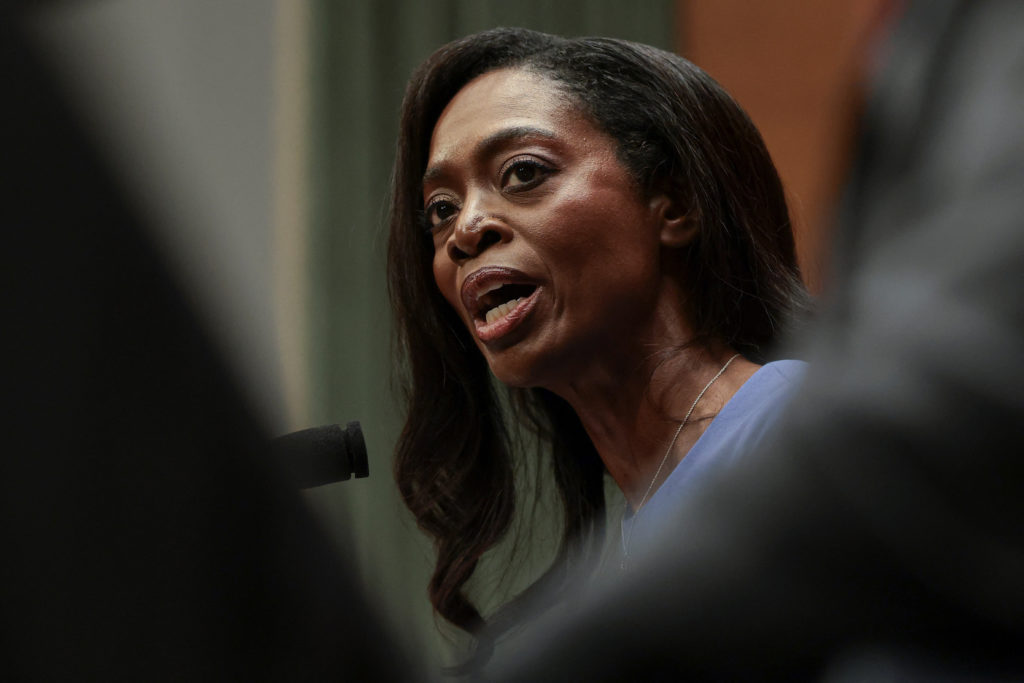
The United States Senate confirmed Dr. Erica Schwartz as the new director of the Centers for Disease Control and Prevention on Wednesday, ending a prolonged period of uncertainty at the nation’s primary public health agency. The confirmation vote was 51-44, marking a significant milestone for an institution that has operated without a permanent leader for nearly twelve months. Schwartz, who is 54 years old, becomes the twenty-second person to hold the position since the Atlanta-based organization was established.
Her appointment comes at a critical juncture for the CDC, which has experienced severe internal instability. According to reports, the agency has shed more than 3,000 employees over the past year, representing roughly a quarter of its total workforce. This reduction in staff has been driven by a combination of voluntary resignations and administrative layoffs. The departure of so many personnel has contributed to plummeting morale among remaining workers and raised concerns about the agency’s operational capacity.
Schwartz brings a diverse professional background to the role, holding both medical and law degrees. Her resume includes service as deputy surgeon general and a leadership position within the U.S. Coast Guard. Public health experts had expressed cautious optimism regarding her nomination in April, noting that she was selected by President Donald Trump rather than Health Secretary Robert F. Kennedy Jr. This distinction mattered because Kennedy has been a prominent figure in anti-vaccine advocacy prior to his appointment to oversee federal health agencies.
The path to confirmation was not straightforward. During a hearing before the Senate Health, Education, Labor and Pensions Committee last month, Schwartz faced intense scrutiny. Senator Bill Cassidy, the committee chairman from Louisiana, along with other lawmakers, questioned whether she would adhere to scientific evidence if pressured by Kennedy to implement policies lacking empirical support. These concerns initially cast doubt on her prospects for confirmation.
However, the political landscape shifted in the weeks following the hearing. Cassidy stated that he had engaged in further discussions with Schwartz and consulted with individuals familiar with her professional conduct. He reported gaining confidence in her ability to navigate the complex relationship between the CDC and the Department of Health and Human Services. This reassurance appeared pivotal in securing the necessary votes for her confirmation.
Schwartz is the third individual nominated by the Trump administration to lead the CDC in eighteen months, highlighting the difficulty in filling this specific vacancy. The first nominee, former Florida Congressman Dr. David Weldon, saw his nomination withdrawn in March 2025 just hours before his scheduled hearing. At that time, it was reported that insufficient Senate support existed to move forward with his confirmation.
The second nominee, Susan Monarez, who had been serving as acting director, was confirmed by the Senate but served for less than a month before being removed from the position. Administration officials cited a lack of alignment with the president’s agenda as the reason for her termination. Reports indicated that her ouster followed clashes with Kennedy regarding vaccine policy and other public health priorities.
The CDC has been one of several federal health agencies to experience leadership vacancies, including the positions of U.S. Surgeon General and FDA Commissioner. The front office at the CDC was previously staffed by political appointees with limited training in medicine or public health, further complicating the agency’s mission. Schwartz now faces the challenge of rebuilding institutional trust and stabilizing a workforce that has been significantly depleted.
Public confidence in the CDC remains fragile. Recent polling indicates that only half of U.S. adults trust the agency’s public health recommendations. As Schwartz takes command, she must address not only the structural issues within the organization but also the broader skepticism surrounding federal health guidance. Her ability to restore stability and credibility will likely be tested by ongoing public health challenges, including recent increases in measles cases.
The confirmation represents a rare legislative victory for the administration after a series of failed attempts to place permanent leaders in key health roles. With Schwartz now at the helm, attention will turn to how she manages the agency’s resources and navigates potential conflicts with her superiors in the Department of Health and Human Services. The coming months will reveal whether her leadership can reverse the trend of attrition and restore the CDC’s operational effectiveness.
Sources behind this briefing
Go to the original reporting
- NPR↗Dr. Erica Schwartz confirmed as CDC director, filling a leadership vacuum
- PBS NewsHour↗Senate confirms Dr. Erica Schwartz as CDC director, bringing new leadership to troubled agency
- The Guardian US Politics↗Senate confirms Trump pick Erica Schwartz as new CDC director

