The short version
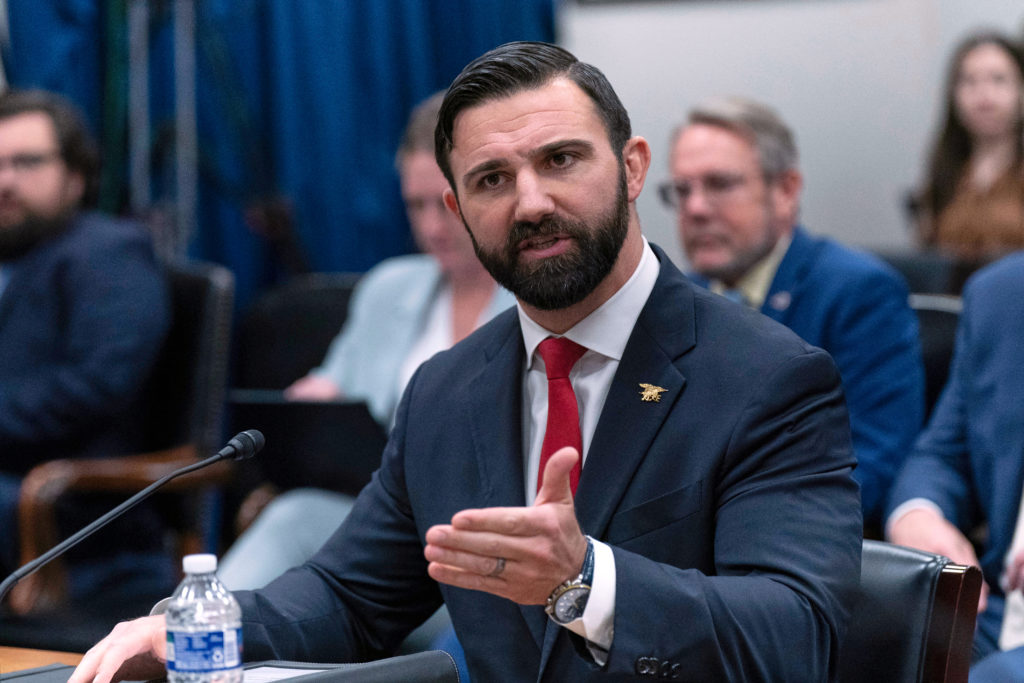
- Cameron Hamilton has been confirmed by the Senate as the permanent administrator of FEMA, marking his return to an agency he previously led temporarily before being dismissed for opposing its elimination.
- Hamilton inherits a workforce significantly reduced by voluntary and involuntary separations during the previous administration, alongside ongoing disputes over disaster aid distribution and grant program cancellations.
- The Trump administration continues to pursue major reforms aimed at shifting more disaster response responsibilities to state governments, despite Hamilton's pledge to ensure objective and fair processing of claims.
The United States Senate confirmed Cameron Hamilton as the permanent head of the Federal Emergency Management Agency on Friday, concluding a period of uncertainty regarding the agency’s leadership and future structure. Hamilton joins a cohort of seventy-four nominees approved in a single session, which also included David Cummins for the Transportation Security Administration and Daniel Perez as ambassador to Brazil. His confirmation signals a shift away from earlier executive threats to dismantle FEMA, yet it places him at the center of a broader administrative effort to radically alter how federal disaster relief is administered.
Hamilton’s return to the helm is notable given his previous brief tenure as acting administrator in early 2025. He was removed from that temporary role after publicly stating that eliminating the agency would not serve the public interest, a stance that drew praise from some emergency management professionals but marked him as a dissenter within the Department of Homeland Security hierarchy at the time. His reappointment suggests a reconciliation with the administration’s goals, even as he faces the challenge of restoring stability to an organization that has undergone significant turmoil.
The agency Hamilton now leads is grappling with substantial internal disruptions. Under the previous leadership of DHS Secretary Kristi Noem, FEMA experienced mass staff departures and operational delays in grant programs and disaster aid distribution. A Government Accountability Office report indicated that more than 4,300 employees separated from the agency during the 2025 budget year, including over 1,500 through voluntary reductions. This exodus has resulted in a documented loss of institutional knowledge and experienced personnel, complicating efforts to maintain consistent service delivery.
Current DHS Secretary Markwayne Mullin has attempted to reverse some of these disruptions since taking office in March. He has rehired for certain eliminated positions and rescinded a rule requiring secretary-level approval for expenses exceeding $100,000, a policy that had created backlogs in disaster aid payments. However, controversy persists within the department. Twenty-five states and the District of Columbia recently filed lawsuits against the administration over new election security requirements attached to FEMA counterterrorism grants, highlighting ongoing tensions between federal mandates and state preferences.
Political divisions also characterize the current landscape of disaster relief. An analysis by The Associated Press in July found that the Trump administration approved approximately 80% of disaster requests from Republican governors but only about 60% from Democratic governors. Democrats have accused the administration of politicizing disaster relief, a charge that adds another layer of complexity to Hamilton’s mandate. He must navigate these partisan accusations while fulfilling his duty to manage federal resources effectively.
During his June confirmation hearing, Hamilton pledged to advocate for FEMA and its workforce, promising that the agency would remain objective, fair, and consistent in processing claims. However, he also acknowledged the need for structural changes, arguing that the agency is burdened by bureaucracy and cannot respond to every disaster event. He emphasized the importance of striking a new balance to encourage cost reasonableness and savings, aligning with broader administration goals to reduce federal spending and increase state responsibility.
The administration’s vision for FEMA involves a significant shift in the federal-state partnership. At a recent meeting of governors, Mullin described FEMA as bloated and stated that future reforms would return more responsibility to states, positioning the federal agency to intervene only in the most severe crises. A Trump-appointed FEMA Review Council recommended major changes in May that could speed assistance but potentially reduce the frequency and scope of federal help. These proposals remain under consideration as Hamilton begins his permanent term.
Hamilton assumes leadership during a peak disaster season, with destructive wildfires and dangerous flooding already impacting various regions. FEMA is currently managing more than 1,000 open disaster declarations, requiring immediate attention to ongoing relief efforts. While some staff members remain wary of Hamilton’s past role in canceling multibillion-dollar resilience grant programs, the National Emergency Management Association has welcomed his confirmation. His ability to stabilize the agency while implementing requested reforms will be closely watched by both political opponents and emergency management professionals.
The confirmation clears a path for Hamilton to begin work immediately, though the scope of his authority and the pace of reform remain subjects of debate. The administration’s push for drastic changes in disaster handling continues, even as the agency seeks to recover from recent upheavals. Hamilton’s task is to balance these competing demands: maintaining operational stability for current disasters while executing a long-term strategy that redefines the federal government’s role in emergency response.
As the first permanent administrator of FEMA in Trump’s second term, Hamilton represents a pivotal figure in the agency’s evolution. His background as a former Navy SEAL and his previous experience with the agency provide him with unique insights into its challenges. However, the legacy of staff reductions, political controversies, and proposed structural overhauls looms large. The coming months will reveal whether Hamilton can successfully navigate these obstacles and restore confidence in FEMA among both government partners and the public it serves.
Sources behind this briefing
Go to the original reporting
- PBS NewsHour↗Senate confirms Cameron Hamilton to lead FEMA and clears 73 other Trump nominees

