The short version
- The Senate voted 73-25 to advance a bill shortening permitting timelines for energy and datacenter projects.
- Environmental organizations oppose the measure, citing reduced judicial review and potential harm to conservation laws.
- Democratic gains in recent elections may complicate final passage as lawmakers debate balancing speed with environmental protections.
The United States Senate moved forward on Monday with bipartisan legislation intended to streamline the federal permitting process for major infrastructure initiatives. The chamber voted 73-25 to formally take up the bill, marking a significant legislative action in the immediate aftermath of recent midterm elections that resulted in substantial gains for Democratic candidates. This vote represents the first major procedural step toward enacting changes that proponents argue are essential for addressing growing demands for electricity and modernizing energy infrastructure.
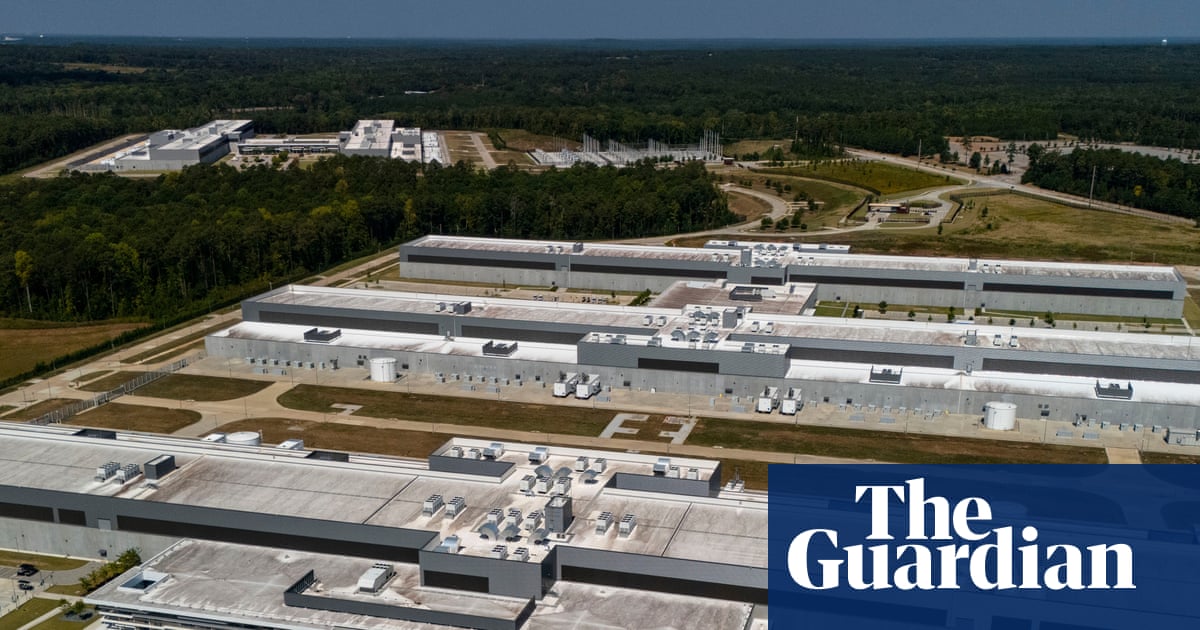
The proposed legislation aims to significantly reduce the time required to initiate large-scale energy projects, encompassing both renewable sources and fossil fuel operations. A central component of the bill involves ensuring that datacenters, which have seen a surge in construction due to artificial intelligence advancements, contribute directly to the costs of the energy they consume. Lawmakers from both parties have framed the measure as a necessary response to years-long delays that currently hinder projects from reaching the grid, thereby keeping utility prices high for consumers.
Support for the bill extends across the political spectrum and into major industry sectors. Republican President Donald Trump endorsed the legislation on social media, characterizing it as a victory for national energy independence and dominance. He argued that the changes would accelerate the construction of pipelines, mines, and power plants, ultimately lowering costs for American families. Major trade groups representing developers in clean energy, oil, and gas have also voiced their backing, citing the need for regulatory efficiency to meet market demands.
Despite this broad support, the bill faces intense criticism from environmental organizations and some Democratic lawmakers. Groups such as the Sierra Club and the National Wildlife Federation have strongly opposed the measure, arguing that it weakens critical environmental safeguards. Critics contend that the legislation limits judicial review and alters key provisions of the National Environmental Policy Act and the Endangered Species Act. These changes would reduce the ability of communities to challenge project approvals and diminish public input during the planning phases.
The political landscape following the recent elections adds a layer of complexity to the bill’s future. While the legislation was negotiated weeks before the vote by four senators leading energy and environment panels, the shift in congressional power may alter its trajectory. Some Democrats, now holding a stronger position in the next Congress, argue that the party should leverage this influence to pass clean energy legislation that strictly limits the expansion of oil, natural gas, and mining operations. They view the current bill as potentially facilitating a reckless build-out of datacenters powered by natural gas.
Hakeem Jeffries, the House minority leader who is expected to become Speaker in January, has publicly criticized the bill, stating that it falls short in several key areas. His office and other Democratic critics have expressed concern that the permitting reforms could lead to a vast increase in liquefied natural gas exports. These concerns highlight a growing divide within the Democratic Party between those prioritizing rapid infrastructure development and those focused on stringent environmental protections.
The four main champions of the bill—Senators Shelley Moore Capito, Mike Lee, Martin Heinrich, and Sheldon Whitehouse—released a detailed set of amendments recently to bolster support. They argue that Americans are frustrated by high utility bills while projects that could lower costs remain stuck in prolonged planning phases. Senator Heinrich emphasized the urgency of passing the bill to save households billions on electricity costs, create jobs, and cut emissions. He also stressed the importance of forcing large corporations to pay their full share for datacenter energy usage rather than shifting these costs to consumers.
Senator Capito described the legislation as a win for America, noting that increased national energy production is inevitable over the coming years. She framed the bill as an unprecedented opportunity to demonstrate responsiveness to public concerns about energy affordability and reliability. As the Senate proceeds with the bill in the lame-duck session, lawmakers must navigate these competing priorities, balancing the desire for faster project approvals against calls for stronger environmental oversight and community engagement.
Sources behind this briefing
Go to the original reporting
- The Guardian US Politics↗Senate advances bill to speed up permit reviews for infrastructure projects