The short version
- Nearly three thousand people remain missing across Nepal and Tibet following deadly flash floods that erased villages and damaged infrastructure.
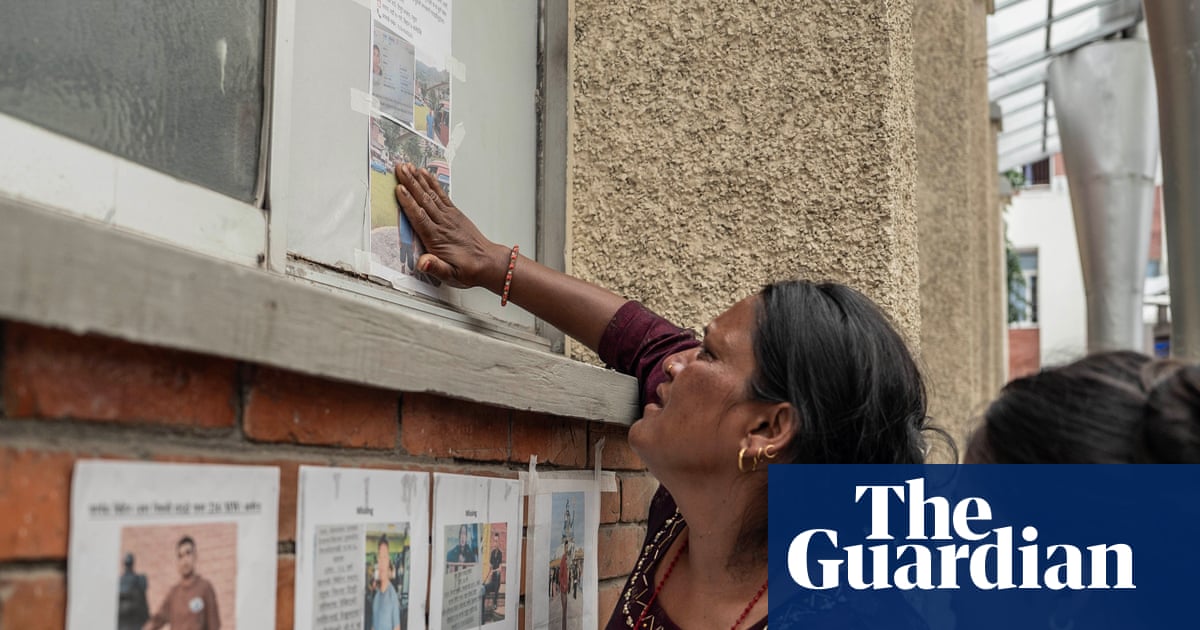
- Hospitals in Kathmandu have become centers for grieving families posting photos of the missing while morgues struggle with the volume of recovered bodies.
- Military helicopters are conducting aerial searches in remote areas, focusing on trapped workers at hydropower projects along the Trishuli River.
The aftermath of catastrophic flash floods in the Himalayas has left nearly three thousand people unaccounted for across Nepal and Tibet. The disaster struck with such force that entire villages were swept away, leaving behind a landscape of mud and debris that complicates rescue efforts. As of Saturday morning, authorities confirmed the recovery of six hundred sixty-nine bodies, but the number of missing persons continues to rise as communication lines remain severed in affected regions.
In Kathmandu, Tribhuvan University teaching hospital has become a focal point for desperate families seeking information about relatives who vanished during the deluge. Walls are covered with fresh posters featuring photographs of children, young adults, and elderly individuals who have not been seen since the waters rose. Relatives gather around police desks to register names, checking patient lists in hopes that their loved ones are among the hundreds of injured currently receiving treatment in hospital wards.
The scale of the tragedy is evident in the personal stories emerging from the chaos. Yavraj Lama pinned a photo of his one-year-old nephew to a hospital wall after his sister’s village in Rusawa district was completely washed away. He expressed a profound sense of numbness, noting that while he holds onto hope for the child’s survival, the disappearance of the entire community leaves little room for optimism. Similarly, Monita Nepali continues to believe her husband will return, despite his phone remaining silent since an hour before the floods hit.
For many families, the uncertainty is as painful as the loss itself. Tulmaya Tamang arrived at the hospital with posters of twelve missing family members, including a five-month-old niece. She described the immense stress placed on those left behind, stating that retrieving bodies would provide a measure of peace and closure. Without confirmation of death or survival, families remain trapped in a state of prolonged anguish, unable to move forward or properly mourn.
Logistical challenges have overwhelmed local infrastructure. Morgues in Chitwan are overrun by the sheer volume of deceased individuals, prompting officials to erect makeshift structures to house the dead. Some bodies were carried so far downstream by the powerful currents that they were recovered in neighboring India. The difficulty of assessing how many more victims remain buried beneath mud and rubble adds another layer of complexity to the identification process.
A significant portion of those missing are workers employed at vast hydropower projects along the Trishuli River corridor. At least nine hundred individuals, including sixty-three from India, were working on these sites when they were decimated by floods and mudslides. The Nepali army has deployed helicopters to access remote areas that are otherwise unreachable, conducting searches for survivors trapped in tunnels and underground facilities.
Dramatic rescue operations have taken place at the Trishuli-1 hydropower project, where soldiers pulled several survivors from thick walls of mud. However, military officials believe at least one hundred people remain trapped inside these tunnels, with dozens more potentially stuck underground at the Trishuli-3 plant. The focus has shifted from immediate rescue to locating those who may still be alive in confined spaces beneath the debris.
Sujan Nepali, a twenty-four-year-old worker, was asleep in his bed when the wall of water hit his site after finishing a night shift. His sister, Sushisha Maluwar, visits the trauma center daily to check for his name on patient lists. She remains hopeful that he escaped or has been rescued, continuing to post his photograph in public spaces. As days pass without news, the community grapples with the reality that many may never be found, leaving families to cope with an enduring void.
The disaster highlights the vulnerability of infrastructure in high-altitude regions prone to extreme weather events. While rescue teams work tirelessly to locate survivors, the overwhelming number of missing persons and destroyed communities underscores the severity of the crisis. International attention is likely to grow as the full extent of the damage becomes clear, with aid organizations preparing for long-term recovery efforts in the hardest-hit districts.
As hopes for finding survivors diminish, the priority shifts toward identifying the deceased and supporting grieving families. The emotional toll on communities like Rusawa is immense, with residents struggling to comprehend the magnitude of the loss. In the coming weeks, authorities will face the daunting task of coordinating international aid, managing overwhelmed medical facilities, and providing psychological support to those affected by this devastating natural disaster.
Sources behind this briefing
Go to the original reporting
- The Guardian World↗‘Their whole village has disappeared’: frantic hunt for survivors in Kathmandu hospital