The short version
- Sean Grayson, convicted of second-degree murder in the death of Sonya Massey, has died while incarcerated at age 32.
- Massey was killed by Grayson in July 2024 after she called police to report a suspected intruder at her Springfield home.
- Lawyers for Massey's family stated that Grayson's death does not restore their loved one, though they offered prayers for his grieving relatives.
Sean Grayson, the former Illinois police officer convicted of murdering Sonya Massey, has died in prison at the age of 32. His lawyer, Daniel Fultz, confirmed to reporters that Grayson passed away on Sunday. While Fultz did not specify the cause of death, he noted that Grayson had been undergoing treatment for colon cancer. The Illinois Department of Corrections verified that Grayson died at a facility located outside the state but declined to provide further details regarding the circumstances or medical cause.
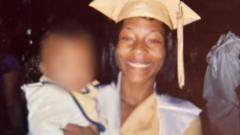
Grayson’s conviction stemmed from a fatal encounter with Massey, a 36-year-old Black woman, at her home in Springfield, Illinois. The incident occurred during the early hours of Independence Day weekend in July 2024. Massey had contacted law enforcement to report that she believed an intruder had broken into her property. Body camera footage released after the event captured a chaotic sequence involving an exchange over a pot on Massey’s stove. The recording showed moments where both individuals appeared to laugh regarding the steaming water before the situation escalated rapidly.
According to the video evidence, tensions rose as Massey issued religious rebukes toward Grayson. He responded with threats, warning that he would shoot her if she did not comply with his demands to drop the pot. Despite Massey apologizing and ducking for cover, Grayson drew his weapon and fired three shots, striking her in the face. The shooting led to widespread protests across the United States and reignited national debates concerning police brutality and accountability. Then-President Joe Biden publicly stated that Massey should have been alive today, highlighting the gravity of the loss.
Following the incident, Grayson was dismissed from his position with the Springfield Police Department. He faced charges of first-degree murder, but a jury ultimately convicted him of the lesser charge of second-degree murder. The court sentenced him to 20 years in prison. In the months leading up to his death, Grayson had applied for release on medical grounds due to his cancer diagnosis, which had been identified in 2023. However, his request for early release was denied by authorities.
The news of Grayson’s death has drawn responses from Massey’s family through their legal representatives. They emphasized that while Grayson’s passing from cancer does not bring Sonya back, they acknowledge the pain experienced by his own relatives. The lawyers expressed a wish for peace for all those grieving, noting that Massey’s family understands such sorrow intimately and will continue to mourn her loss indefinitely. This statement reflects a complex intersection of grief and justice in the aftermath of a high-profile case.
The case of Sonya Massey has remained a focal point for discussions on racial dynamics within law enforcement interactions. The disparity between Grayson, a white officer, and Massey, a Black resident, underscored broader societal concerns about safety and bias in policing. The visual evidence provided by body cameras played a crucial role in the trial, offering jurors a detailed look at the final moments of Massey’s life. This transparency contributed to the public’s intense scrutiny of the legal proceedings and the eventual verdict.
Grayson’s death marks the end of a chapter in a case that captivated national attention. While his incarceration was intended as punishment for taking a human life, his passing from illness introduces new questions about the nature of justice and retribution. For Massey’s family, the legal resolution did not erase their trauma or restore their daughter, sister, and friend. The ongoing impact of her death continues to resonate within communities advocating for reform and accountability in police practices.
As the immediate legal consequences conclude with Grayson’s death, attention may shift toward long-term policy changes inspired by this tragedy. Advocates for criminal justice reform often cite such cases to highlight the need for de-escalation training and stricter oversight of use-of-force incidents. The Springfield community, where the shooting took place, continues to grapple with the implications of the event. Local leaders and residents may look toward future initiatives aimed at rebuilding trust between law enforcement and the public.
The details surrounding Grayson’s final days remain somewhat opaque due to the limited information released by correctional officials. His lawyer’s confirmation of death serves as the primary source of closure for many observers. Meanwhile, Massey’s family maintains their stance that no outcome can fully compensate for their loss. Their statement underscores the enduring human cost of violent encounters, regardless of legal outcomes or subsequent events in custody.
This development concludes a period of intense public interest and legal scrutiny surrounding the death of Sonya Massey. The case will likely remain a reference point in discussions about police conduct and racial justice in America. As society processes this news, the focus remains on honoring Massey’s memory and addressing the systemic issues that contributed to her tragic end. The intersection of personal grief and public policy continues to define the legacy of this high-profile incident.
Sources behind this briefing
Go to the original reporting
- BBC World↗Sonya Massey's killer Sean Grayson dies in US prison

