The short version
- Sandwich tern numbers at Pagham Harbour rose from zero to 756 breeding pairs following a complete wipeout by avian influenza in 2022.
- Black-headed gull fledglings increased tenfold between 2025 and 2026, while little tern and oystercatcher populations also showed significant growth.
- Targeted conservation measures such as predator exclusion fencing, artificial nesting islands, and visitor management were central to the recovery effort.
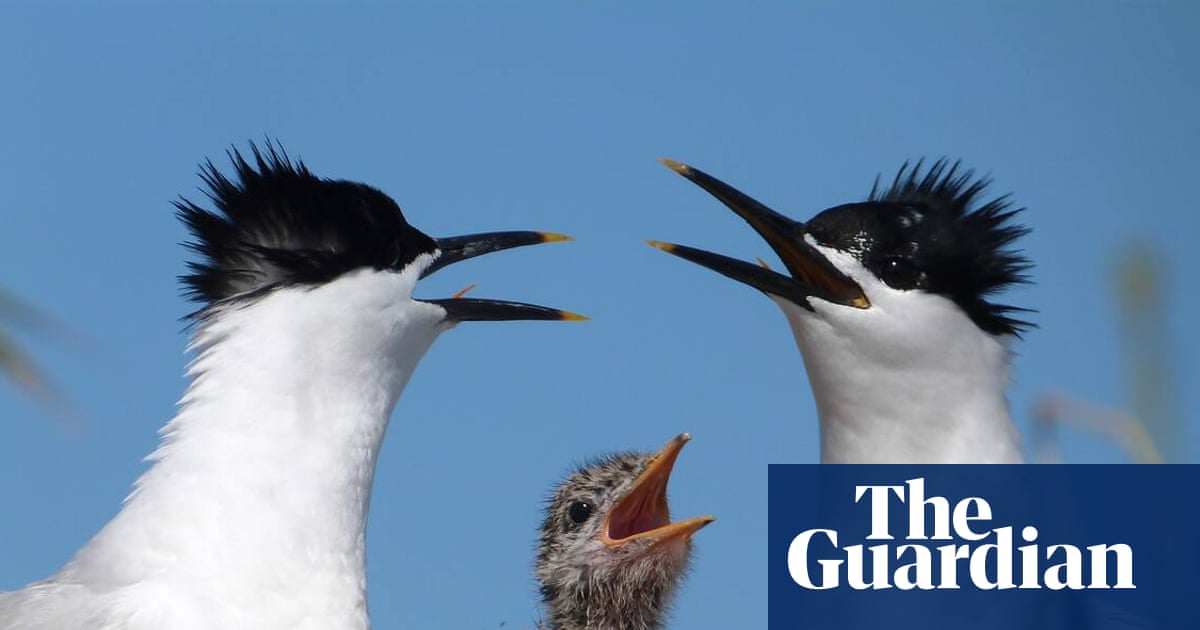
Seabird populations along England’s south coast have demonstrated a remarkable capacity for recovery following the severe die-offs caused by avian influenza. In the Solent region, specifically at Pagham Harbour in West Sussex, breeding colonies that were entirely eliminated in 2022 have returned with vigor. The sandwich tern colony, which vanished completely due to the HPAI outbreak, has rebounded to include 756 breeding pairs within just three years. This resurgence represents one of the largest recorded gatherings of these birds in the area, signaling a successful reversal of what conservationists initially feared might be a long-term ecological setback.
The recovery is not limited to sandwich terns. Data from the Royal Society for the Protection of Birds indicates broad-based improvements across multiple species that share this coastal habitat. Black-headed gulls have seen their fledgling numbers surge tenfold, jumping from 51 in 2025 to 504 in 2026. Little terns also increased their presence, rising from 21 pairs last year to 34. Additionally, populations of ringed plovers and oystercatchers have expanded along the same stretch of coastline. These figures suggest that the ecosystem’s resilience, when supported by active management, can overcome even catastrophic disease events.
The turnaround is attributed to intensive conservation work conducted by staff and volunteers across a vast area. The efforts cover approximately 52,000 hectares of coastline and estuary land stretching between the south coast and the Isle of Wight. At Pagham Harbour nature reserve, specific interventions were designed to address the vulnerabilities that ground-nesting birds face. These actions included the installation of specialized fencing to keep mammalian predators like foxes away from nests. Rangers also conducted regular monitoring for rats and performed in-person patrols to deter predation, creating a safer environment for reproduction.
Habitat modification played a crucial role in facilitating this bounce back. Conservation teams selectively removed vegetation to create open spaces suitable for shorebirds to nest without obstruction. At Ferry Pool, newly created islands within a saline lagoon provided secure nesting grounds for avocets, with 18 pairs establishing territories there. Similarly, at RSPB Medmerry and West Hayling in Hampshire, floating rafts were deployed to offer predator-free platforms for common terns and black-headed gulls. These structures allowed birds to breed without the constant threat of disturbance from dogs or boats, which are common hazards in accessible coastal areas.
Managing human interaction with wildlife was another key component of the strategy. Volunteers and rangers carried out patrols aimed at educating visitors and local residents about the fragility of ground-nesting bird colonies. To balance public access with conservation needs, dog-friendly exercise zones were established away from sensitive nesting sites. This approach helps reduce accidental disturbance while maintaining community engagement with the natural environment. The emphasis on awareness has been critical in ensuring that increased human presence does not undermine the gains made through biological interventions.
The success at Pagham Harbour is part of a broader initiative known as the Solent Seascape project. This long-term partnership involves various charities and institutions, led by the Blue Marine Foundation, with the goal of restoring diverse coastal habitats. Beyond seabird nesting sites, the project focuses on rehabilitating seagrass beds, oyster reefs, and saltmarshes. The integration of seabird conservation into this wider ecological restoration framework suggests that protecting one species can contribute to the health of the entire marine ecosystem. The recovery of terns and gulls serves as an indicator of improving conditions for other wildlife dependent on these coastal zones.
Wez Smith, a senior project manager for the RSPB, noted that the situation began to improve significantly last year after several years of dedicated action. He highlighted the severity of the initial impact in 2022, when sandwich terns, black-headed gulls, and Mediterranean gulls were all hit hard by the virus, leading to the abandonment of their breeding colony. The fact that the site is now thriving with record-breaking populations underscores the effectiveness of sustained conservation efforts. This case study offers a model for how targeted interventions can accelerate recovery in ecosystems devastated by disease.
Looking ahead, the continued monitoring of these populations will be essential to ensure that the gains are maintained. While the current data shows a strong rebound, the threat of avian influenza remains present globally. The strategies employed in the Solent region, including predator control, habitat creation, and community education, provide a blueprint for managing similar challenges elsewhere. As climate change and other environmental pressures continue to affect coastal habitats, the lessons learned from this recovery effort may inform future conservation priorities. The resilience of these seabird colonies offers hope that with proper support, nature can heal from even the most severe disruptions.
The story of the Solent seabirds illustrates the importance of proactive management in the face of ecological crises. It is not merely a tale of natural recovery but one of human intervention making a tangible difference. By addressing specific threats such as predation and disturbance, conservationists have created conditions that allow species to thrive once again. This achievement highlights the value of long-term partnerships and comprehensive habitat restoration projects. As other regions face similar challenges, the Solent example demonstrates that coordinated action can yield significant positive outcomes for biodiversity.
Ultimately, the resurgence of seabird numbers in this part of England serves as a testament to the effectiveness of modern conservation techniques. It shows that even after a complete local extinction event, populations can be restored relatively quickly if the right conditions are met. The combination of scientific monitoring, physical habitat improvements, and public engagement has proven successful. This holistic approach ensures that the benefits extend beyond individual species to the broader coastal ecosystem. The ongoing work in the Solent region will likely continue to provide valuable insights into how best to protect and restore vulnerable wildlife habitats.
Sources behind this briefing
Go to the original reporting
- The Guardian World↗Seabird numbers bounce back in Solent region after 2022 avian flu wipeout