The short version
- Confirmed human cases of New World screwworm myiasis have surpassed 500 in Mexico since the parasite re-emerged in 2024.
- A recent study identified six deaths among infected patients, with one death directly attributed to the infestation and others linked to severe underlying conditions.
- The infection rate has tripled from 2025 to 2026, prompting calls for proactive surveillance and cross-sector coordination to prevent further northward expansion.
The reemergence of the New World screwworm fly in Mexico has accelerated significantly, with human infections surpassing 500 cases across 2025 and 2026. This surge follows a breach in biological containment barriers that allowed the parasite to return after decades of successful eradication efforts. The situation presents a growing public health challenge as the infestation pace increases rapidly, moving from rural animal populations into human communities with increasing frequency.
Data from Mexico’s Ministry of Health indicates a sharp rise in reported incidents. While cases were recorded at a rate of approximately three per week during 2025, that figure jumped to just over nine per week in 2026. A study published in Emerging Infectious Diseases analyzed confirmed reports between April 2025 and March 2026, highlighting the escalating nature of the crisis. The research underscores a clear trend of expanding prevalence rather than isolated incidents.
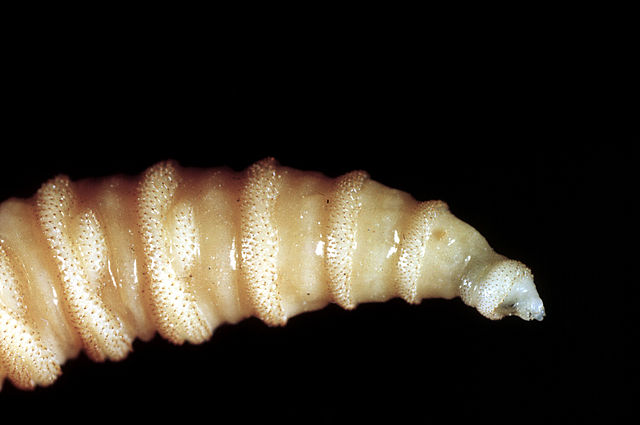
The health consequences for infected individuals can be severe. The flies lay eggs in wounds or mucous membranes, and the resulting maggots feed on living tissue. This process can cause deep, painful wounds that destroy muscle, cartilage, and bone if not treated promptly. Secondary infections and sepsis pose significant risks, particularly for vulnerable populations. Among the 204 cases reviewed in the recent study, six deaths were recorded.
Determining the exact cause of death in these fatalities is complex. Only one death was directly attributed to the screwworm infestation itself. The other five occurred in patients with serious pre-existing conditions, including cancer, encephalitis, respiratory failure, and septic shock. The average age of those who died was nearly 80 years old, suggesting that advanced age and comorbidities play a critical role in mortality outcomes associated with the parasite.
Demographic analysis reveals distinct patterns in victim profiles. Seventy-two percent of the confirmed cases involved male patients, while the remaining infections occurred in women. The age range of victims spanned from 12 to 93 years, with a mean age of 61. Most infected individuals had underlying health issues such as diabetes, alcoholism, cancer, or skin conditions. These factors likely compromise immune responses and wound healing, making patients more susceptible to severe infestations.
The physical location of the infections varies but shows a strong preference for lower limbs. More than half of the cases involved the legs and feet. Other common sites included the head and neck region, encompassing the nose, mouth, and eyes. Less frequent locations included the upper limbs, trunk, ears, genitalia, and abdominal cavity. The flies are not selective but seem to exploit accessible wounds or exposed tissue with varying degrees of success.
The geographic spread of human cases mirrors that of animal infections. Since the biological barrier in Panama was breached in 2022, animal cases began appearing in Mexico by 2024. Over 36,000 animal cases have been reported, with nearly 2,000 remaining active as of early August. The United States has also detected the parasite, reporting its first animal cases in Texas in June. As of late July, the USDA had confirmed 45 animal cases in the U.S., though no human infections have been reported north of the border.
Experts emphasize the need for proactive measures rather than reactive responses. The link between animal and human health is evident in the northward trajectory of the fly population. Researchers recommend implementing surveillance, diagnostic preparedness, and suppression activities at the leading edge of expansion. Coordination among human health, veterinary, wildlife, and agricultural sectors is essential to manage the spread effectively.
Historical context highlights the success of previous eradication efforts. The New World screwworm was eliminated from the U.S., Mexico, and Central America through massive aerial releases of sterilized male flies. This technique exploits the fact that female flies mate only once in their lifetimes. Mexico declared the parasite eradicated in 2003, and Panama followed in 2006. The current resurgence represents a significant setback to these decades-long achievements.
Future steps involve strengthening border controls and monitoring systems. The breach in the Darién Gap barrier allowed the flies to cross from Colombia into Central America and eventually Mexico. Restoring or enhancing biological barriers may be necessary to halt further northward movement. Public awareness campaigns could also help reduce risk by encouraging early detection and treatment of wounds, particularly in high-risk populations.
Sources behind this briefing
Go to the original reporting
- Ars Technica↗Flesh-eating screwworms feast on humans in Mexico; human cases top 500
