The short version
- New World Screwworms have been detected in Arizona, marking the first appearance of the parasite in that state and expanding the geographic scope of the infestation.
- Ten domestic pets, primarily dogs but including one cat, have been confirmed infected since June, alongside numerous livestock cases and a single wild elk infection.
- Federal and state agencies are urging owners to monitor animals for unusual wounds and report them immediately, while Mexico reports over eight hundred human cases and nine deaths.
The geographic footprint of the New World Screwworm infestation in the United States has widened significantly this week with confirmed detections in Arizona. This development marks the first time the parasitic fly has been identified in the state, adding it to a growing list of affected regions that already includes Texas and New Mexico. The expansion underscores the persistent challenge authorities face in containing the pest, which was previously eradicated from North America decades ago but has since re-emerged through Central American migration routes.
Federal agricultural officials report that seventy-four animal cases have been identified across the country since the flies returned in June. While the majority of these infections involve livestock, posing a direct threat to agricultural economies, there is a rising concern regarding domestic animals. The latest data indicates that ten pets have been infected since the re-emergence began. This week alone, the United States Department of Agriculture recorded four new cases in dogs and one in a cat, highlighting the parasite’s ability to target companion animals as well as commercial stock.
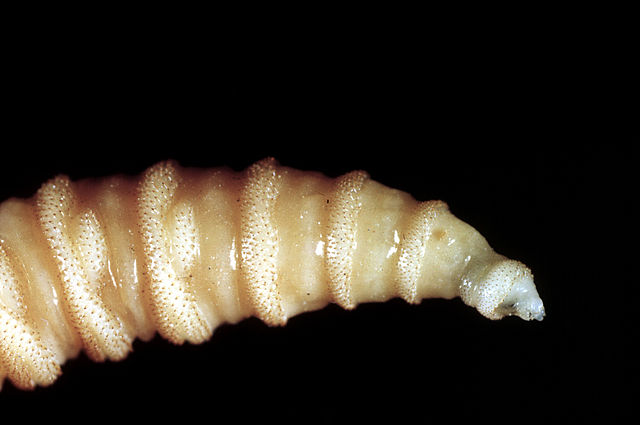
The specific case in Arizona was identified in Cochise County, a region that shares borders with both New Mexico and Mexico. A local veterinarian examined a dog on October 26 and discovered a wound on the animal’s back that was heavily infested with maggots. The characteristics of the larvae were consistent with those of the New World Screwworm. State agriculture officials have confirmed the diagnosis and are collaborating with federal partners to manage the response, emphasizing the need for vigilance in border communities where cross-border movement of animals and pests is more likely.
Understanding the biology of the pest is crucial for recognizing early signs of infection. These flies lay hundreds of eggs in open wounds or moist areas on an animal’s body. The resulting larvae are voracious feeders that bore into living tissue, causing severe damage that can be fatal if left untreated. The maggots eventually drop to the ground to pupate and develop into adult flies, continuing the life cycle. This destructive behavior makes early detection and treatment essential for saving affected animals and preventing further spread.
The return of this parasite represents a significant reversal in public health and agricultural history. The New World Screwworm was successfully eliminated from the United States in the 1960s through a campaign involving aerial releases of sterile male flies, which disrupted breeding cycles. For many years, a biological barrier maintained along the Darién Gap between Panama and Colombia helped keep the pest at bay. However, that barrier was breached in 2022, allowing the flies to migrate northward through Central America and eventually reach the southern United States.
While the primary focus in the U.S. has been on livestock and pets, the potential for human infection remains a serious concern. Data from Mexico’s Ministry of Health reveals a much higher burden of disease in that country, with eight hundred and six confirmed human cases since the flies reemerged. Tragically, nine people have died from infestations in Mexico. Although human cases are rarer in the United States, the severity of the condition means that any unusual wound should be treated with caution and evaluated by medical or veterinary professionals.
Authorities in Arizona and other affected states are urging livestock owners, pet owners, and industry partners to remain vigilant. The recommendation is clear: monitor animals closely for any unusual wounds that do not heal or appear to worsen rapidly. If such symptoms are observed, immediate reporting to local agricultural extensions or veterinarians is critical. Early intervention can prevent the larvae from causing extensive tissue damage and can help contain the spread of the infestation within local communities.
The USDA has confirmed it is working closely with Arizona state officials on a joint response strategy. This collaboration aims to address the expanded infestation through coordinated surveillance, public education, and potential control measures. As the parasite continues to move northward, the effectiveness of these efforts will be tested. The situation remains fluid, and ongoing monitoring is essential to understand the full extent of the threat to both animal welfare and public health in the coming months.
The broader implications of this infestation extend beyond immediate animal health concerns. The presence of New World Screwworms can disrupt trade, increase veterinary costs, and strain agricultural resources. For pet owners, particularly those in border states, awareness is the first line of defense. Recognizing the signs of infection and understanding the history of this pest can help mitigate its impact. As the situation evolves, continued cooperation between federal, state, and local agencies will be vital in managing this complex biological challenge.
Sources behind this briefing
Go to the original reporting
- Ars Technica↗Flesh-eating screwworms are feasting on pets; 4 dogs and cat attacked this week