The short version
- Conservation teams relocated 3,400 one-flowered wintergreen plants from a collapsing shoreline in Moray to prevent total loss to the sea.
- The species has lost more than half its UK population over fifty years, with genetic diversity critically low despite high plant counts.
- Success depends on preserving fungal networks and adapting to drier conditions caused by climate change.
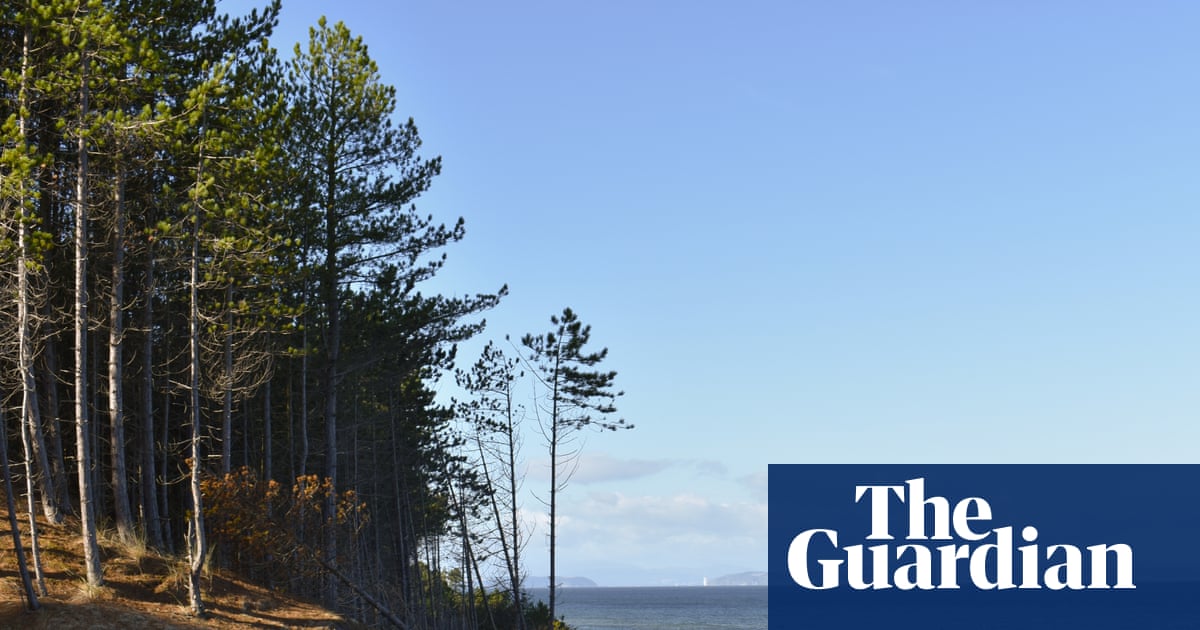
A significant conservation operation in north-east Scotland has successfully moved thousands of endangered wildflowers away from a rapidly eroding coastline. The effort, centered at Culbin Forest in Moray, involved relocating 3,400 one-flowered wintergreen plants that were facing imminent destruction as the land beneath them collapsed into the sea. This intervention marks a critical step in preserving a species that has seen its population across the United Kingdom decline by more than half over the last five decades.
The urgency of the relocation stems from severe coastal instability. In recent years, sections of the shoreline measuring two to three meters have fallen into the ocean, threatening to wipe out the local colony entirely. Iain Macdonald, a biodiversity adviser at NatureScot, emphasized that without this intervention, the plants would inevitably have been lost to the sea. While the long-term survival rate at the new site remains uncertain, the move ensures that at least some individuals will persist beyond the immediate threat of erosion.
The one-flowered wintergreen is a tiny, star-shaped plant found exclusively in pine woods within north-east Scotland. According to Plantlife Scotland, the species survives at only seven known sites across the country, with just three supporting what can be considered healthy populations. The charity collaborated with Forestry and Land Scotland, NatureScot, and a team of eighteen volunteers to execute the transplant. This large-scale operation followed a smaller trial run and was supported by funding from the Scottish government’s nature restoration fund.
Translocating these plants presented unique biological challenges. Unlike many species that can be simply dug up and replanted, one-flowered wintergreens rely heavily on complex underground networks of fungi for germination and survival. To preserve these symbiotic relationships, volunteers carefully cut out sections of soil surrounding the plants rather than extracting them individually. This method aims to keep the essential fungal connections intact, which are crucial for the plants' ability to draw energy alongside photosynthesis.
The decline of this species is driven by multiple environmental pressures. Changes in forest management practices have altered the conditions required by the fungi that support the wintergreens. Additionally, the climate crisis has led to hotter and drier conditions, reducing the soil moisture levels that the plants depend on. These compounding factors have made it increasingly difficult for conservationists to understand and reverse the downward trend in population numbers.
Genetic diversity poses another significant concern for the species' future. Although estimates suggest there are approximately 50,000 individual plants remaining in Scotland, they spread primarily through vegetative growth, producing genetically identical clones via their root systems. The number of genetically distinct individuals may be fewer than 500. At one specific site, researchers found that about 100 visible plants represented only two distinct genetic individuals, highlighting the fragility of the population's resilience.
In addition to relocating existing plants, conservationists have introduced a small number of specimens and seeds to another woodland area where the species has not previously been recorded. This strategy aims to establish new populations in safer locations, thereby reducing the risk of total extinction from localized threats like coastal erosion. Sam Jones, a senior ecological adviser at Plantlife Scotland, described the work as groundbreaking, noting its potential to prevent the loss of endangered flora.
Looking ahead, the success of this project will depend on how well the transplanted plants adapt to their new environment and whether the fungal networks remain viable. Macdonald noted that any survival would constitute a victory for conservation efforts. Future plans include introducing more plants to small, existing populations to strengthen their capacity to cope with ongoing environmental changes. The outcome of this rescue mission will provide valuable insights into managing other species threatened by similar ecological pressures.
Sources behind this briefing
Go to the original reporting
- The Guardian World↗Thousands of rare wildflowers rescued from eroding Scottish coast