The short version
- The Scottish government has launched a formal consultation on legislation to cap prices for essential food items, fulfilling a key election promise made by the SNP.
- Industry groups argue that statutory limits ignore underlying supply chain issues and could inadvertently raise costs for other household goods.
- Legal challenges loom as critics contend the policy may violate post-Brexit internal market rules designed to prevent regulatory divergence within the UK.
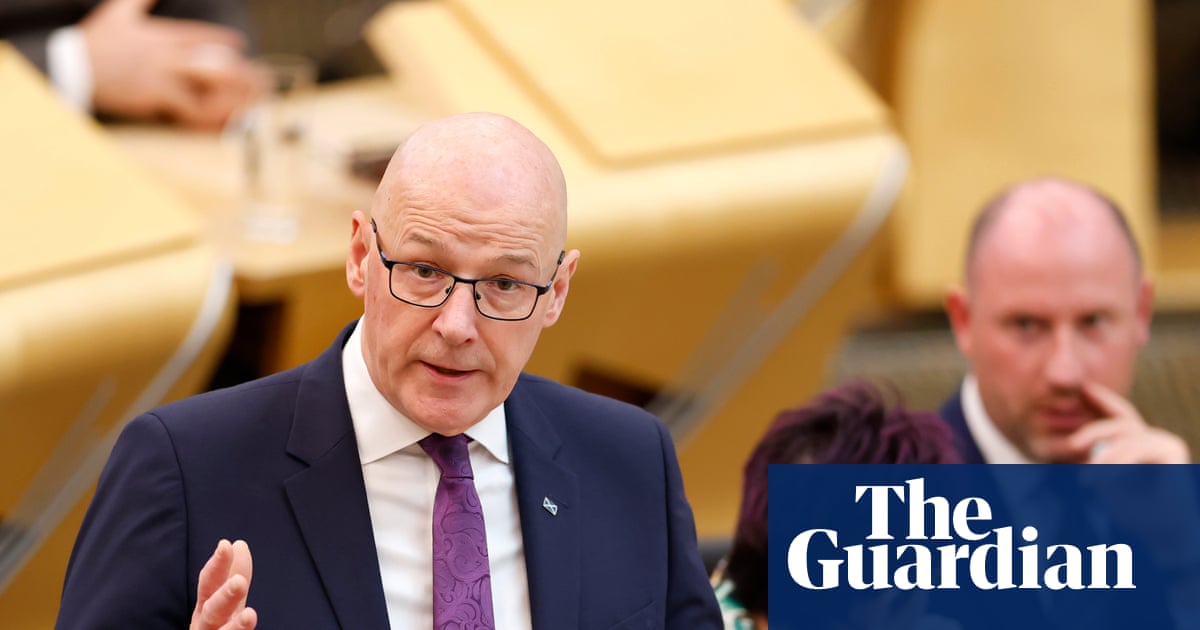
The Scottish government has initiated a formal consultation process regarding legislation that would impose legally binding price ceilings on essential food items. First Minister John Swinney reaffirmed his commitment to this policy during the unveiling of the party’s five-year programme for government, describing it as a necessary measure to provide financial stability for households facing rising living costs. The initiative represents a significant shift in domestic economic policy, aiming to directly intervene in market pricing for staples such as bread, milk, rice, cheese, and eggs.
The proposal targets large retailers specifically, applying only to businesses that generate more than half of their annual turnover from grocery sales, employ over 250 staff, and report yearly revenues exceeding £250 million. While the exact list of covered products remains under review, officials have indicated that between twenty and fifty items will likely be included in the final basket. The government frames the intervention not merely as an economic tool but as a public health measure, arguing that affordable access to basic nutrition is critical for societal well-being.
Opposition to the plan has been swift and severe from within the agricultural and retail sectors. A coalition of twenty-three organizations representing food, drink, and farming interests published an open letter criticizing the proposal as unnecessary and counterproductive. These groups argue that the current market mechanisms are already functioning effectively to deliver competitive prices. They contend that imposing artificial limits fails to address the fundamental drivers of inflation, including increased costs for production, refrigeration, distribution, fertilizers, fuel, and energy.
Critics point to external factors such as supply chain disruptions following the pandemic and geopolitical conflicts in Ukraine and Iran as primary causes of elevated prices. The industry letter emphasized that Scotland currently benefits from one of the most affordable grocery markets in western Europe. They warned that statutory caps could distort market signals and potentially lead to higher costs for non-capped household goods, thereby shifting the financial burden rather than alleviating it. Some detractors have dismissed the policy as a political gimmick lacking substantive economic grounding.
Legal uncertainty surrounds the implementation of the price controls. The Scottish administration intends to introduce the legislation under devolved health powers, asserting that nutrition and public health fall within its jurisdiction. However, legal experts and political opponents raise concerns that the policy may conflict with post-Brexit internal market regulations. These rules are designed to prevent regulatory divergence between Scotland, England, Wales, and Northern Ireland, ensuring a unified economic space. If challenged in court, the government’s authority to enact such caps could be severely tested.
Beyond the food price debate, the programme for government outlines several other major policy shifts. Swinney announced plans to restructure local government and NHS boards, reducing the number of health boards from fourteen to two. This consolidation is described as the most significant structural reform of the National Health Service in Scotland since devolution began. Additionally, the agenda includes a new bill aimed at addressing violence against women and girls, often referred to as a misogyny bill, and a pilot program establishing a minimum income for artists.
Transport policy also features prominently in the new agenda, with a commitment to set a £2 price limit on bus fares in western Scotland. This move aligns with broader efforts to reduce transportation costs for commuters and students. The government positions these various initiatives as part of a comprehensive strategy to support families and build on what it describes as the most generous cost-of-living support package in the United Kingdom. The focus remains on putting more money back into household budgets through direct intervention and structural reforms.
The political maneuvering occurs against a backdrop of significant fiscal pressure. The Scottish government has estimated a potential budget gap nearing £5 billion by the end of the decade. Financial experts warn that difficult decisions lie ahead regarding the funding of healthcare, education, and other public services. Balancing ambitious new spending commitments with long-term financial sustainability presents a complex challenge for the administration. The success of the price cap initiative will likely depend on its ability to deliver tangible savings without exacerbating existing budgetary constraints or triggering legal disputes.
As the consultation period begins, stakeholders across the political and economic spectrum are closely monitoring the development. The outcome will have implications not only for Scottish consumers but also for the broader relationship between devolved administrations and UK-wide market regulations. Whether the policy proceeds as planned, is modified in response to feedback, or faces legal hurdles remains to be seen. The coming months will test the government’s ability to navigate competing interests while delivering on its electoral promises.
The debate highlights the tension between immediate relief for consumers and long-term market stability. While supporters argue that price caps provide essential protection against volatility, opponents maintain that they distort economic realities and fail to solve root causes. The resolution of this conflict will shape future policy approaches in Scotland and potentially influence similar discussions elsewhere in the UK. For now, the focus remains on the details of the consultation and the legal arguments that will define the boundaries of devolved power.
Sources behind this briefing
Go to the original reporting
- The Guardian World↗Swinney sticks with pledge to cap prices on basic foods in Scotland

