The short version
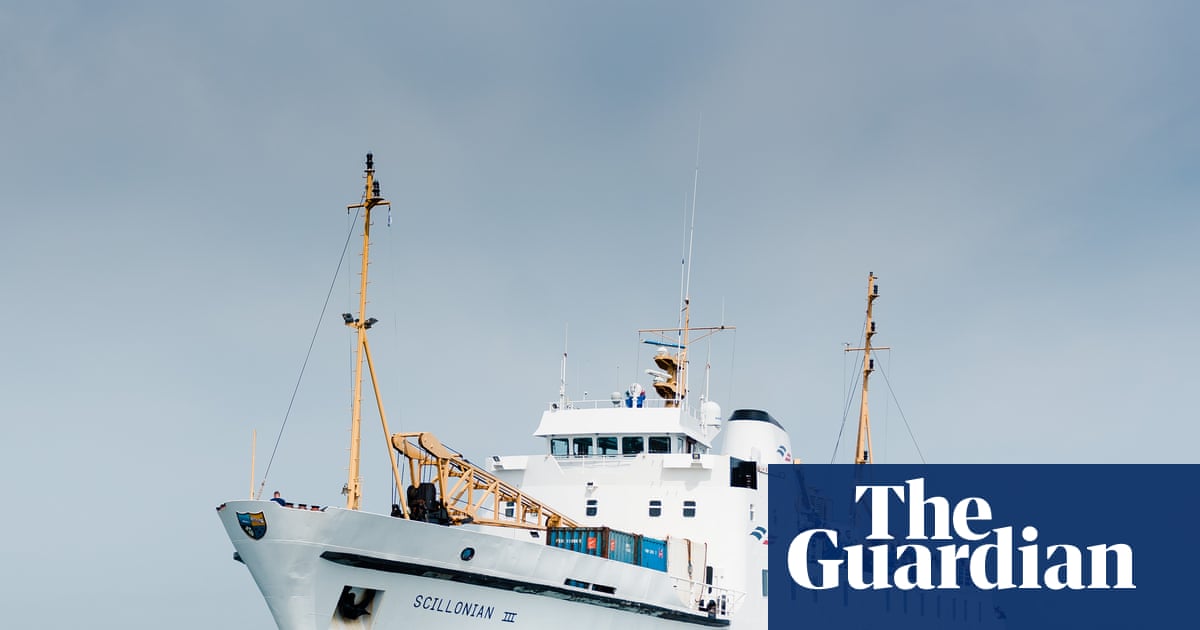
- The Scillonian III has completed its final scheduled trip after serving as the primary link between the Isles of Scilly and the Cornish mainland for almost fifty years.
- Passengers celebrated the vessel's retirement with music and farewells, acknowledging its role in local culture despite its reputation for causing seasickness during rough Atlantic crossings.
- A new ship built in Asia is currently en route to replace the retired vessel, promising faster travel times and advanced stabilization technology to improve passenger comfort.
The Scillonian III has concluded its operational history with a final journey from St Mary’s to Penzance, ending nearly half a century of service connecting the Isles of Scilly with the British mainland. The vessel, which had become an integral part of the region's identity, departed for the last time on Sunday, traversing the thirty-seven nautical miles across the Atlantic swells that have defined its route since 1977. This departure marks a significant transition for the islands, which rely heavily on maritime links for both residents and seasonal visitors.
For decades, the ship served as the primary conduit for islanders, holidaymakers, and researchers traveling between spring and autumn. Over its forty-nine-year lifespan, the vessel completed more than ten thousand voyages. Its arrival each March traditionally signaled the start of the tourist season, while its departure in the fall often left a sense of isolation among those remaining on the islands. The steamship group that operates the service has maintained this connection for generations, with some passengers having family ties to the organization dating back to its founding.
The vessel was widely recognized for its character, though not always for its comfort. It earned the nickname 'vomit comet' among regulars due to its tendency to rock significantly during stormy weather, making it a challenging ride for those prone to motion sickness. Despite this reputation, many passengers developed specific preferences for seating arrangements based on their tolerance for movement or desire for wildlife viewing. Some favored the lower decks where the engine's drone provided a soothing backdrop for sleep, while others sought out exterior positions to spot dolphins and basking sharks.
The final voyage was marked by emotional farewells rather than quiet departure. Tickets for the last trip sold out quickly, exceeding expectations of only a few dozen attendees. Passengers shared stories of past journeys, sang sea shanties, and exchanged tears as the ship made its way to Cornwall. A local musical group accompanied the vessel off the dock, while another waited at the destination to welcome it. The celebration continued at a pub in Penzance, where music, dancing, and drinks provided a communal space for reflecting on the ship's long service.
Long-time users of the ferry expressed mixed emotions about the retirement. Terry Ward, who traveled on the ship’s inaugural journey in 1977, described the vessel as deeply woven into the fabric of island life. He recalled the initial arrival decades ago when locals gathered at the quay to see the new boat, noting that its reliability and presence provided a sense of security against isolation. Ray Jackman, a local businessman who rode both the first and last trips, emphasized the ship's mechanical dependability, noting that it rarely broke down despite the harsh conditions of the Atlantic crossing.
The Scillonian III was the third vessel to bear the name in serving these waters over the last century. The original Scillonian operated from 1926 to 1956 and saw military use during World War II, while its successor lasted twenty-five years before being replaced. The current vessel was launched by Prince Charles when he was still a prince, underscoring the long-standing importance of this maritime link. Its retirement signifies not just the end of a specific ship's life but the conclusion of a particular style of travel that has defined access to the islands for generations.
Looking ahead, the Isles of Scilly Steamship Group is preparing for the arrival of Scillonian IV. The new vessel is currently traveling from south-east Asia around the Cape of Good Hope and is expected to make its maiden voyage in March. Operators state that the replacement will offer increased passenger capacity, faster transit times, and advanced roll and pitch reduction systems designed to mitigate the effects of rough seas. These technological upgrades aim to address the comfort issues associated with the previous ship while maintaining the essential connection between the islands and the mainland.
While many acknowledge the necessity of modernizing the fleet, some passengers remain uncertain about how the new experience will compare. Sholto Blackwell, a frequent traveler and founder of an online appreciation group for the vessel, expressed sadness at the loss of the ship's unique character. He noted that while the physical discomfort of seasickness was part of the journey, it was also intertwined with the reward of reaching the islands. The transition to a smoother, faster ride may improve comfort but could also alter the traditional experience that many have come to associate with travel to Scilly.
Sources behind this briefing
Go to the original reporting
- The Guardian World↗‘The end of an era’: Scillonian III sets sail on final voyage from Isles of Scilly


