The short version
- Senate Democratic Leader Chuck Schumer pledged that his party will block any conservative nominees to the Supreme Court if a vacancy arises during their tenure.
- Democrats secured a significant Senate majority in recent midterms, potentially reaching fifty-six seats, which Schumer describes as a durable advantage built over two decades.
- The new legislative agenda focuses on lowering consumer costs, investigating administration policies, and restricting stock trading by federal officials, though bipartisanship remains uncertain.
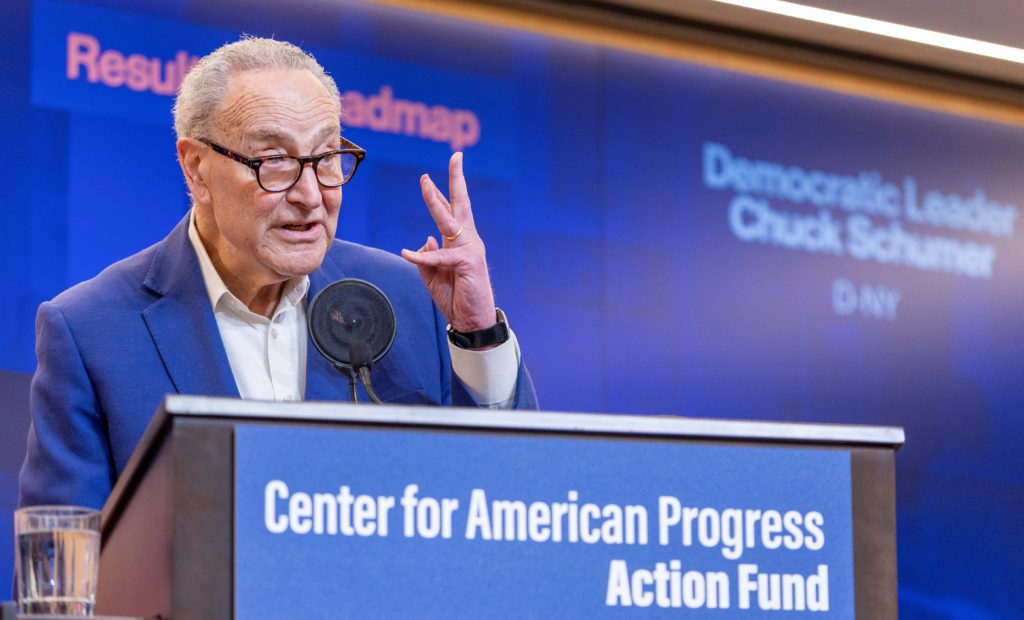
Senate Democratic Leader Chuck Schumer has issued a firm commitment that his party will prevent the confirmation of any conservative nominee to the Supreme Court should a vacancy occur while Democrats hold the majority. This stance marks a significant shift in judicial strategy for the caucus, which recently secured a decisive victory in midterm elections that few analysts predicted a year ago. Schumer’s declaration raises the prospect of a prolonged standoff with the White House over judicial appointments, echoing tactics previously employed by Republicans but now reversed by the new majority.
In an interview with The Associated Press, Schumer refused to specify whether he would withhold consideration of a nominee until after the next presidential election, a maneuver former Senate Republican Leader Mitch McConnell utilized in 2016. However, he made clear that Democrats intend to reject candidates they deem unacceptable, extending this scrutiny beyond the Supreme Court to lower federal courts and Cabinet positions. The leader emphasized that the party will not permit what he characterized as low-quality nominees to take their seats, signaling a rigorous vetting process for all executive branch appointments.
The political landscape has shifted dramatically following the election results, with Democrats poised to control up to fifty-six Senate seats if they secure victories in Mississippi and Alaska. Schumer described this potential margin as a durable majority, the result of twenty years of strategic campaign operations under his influence. This expanded caucus provides Democrats with substantial leverage to force the administration toward more moderate choices or to halt initiatives that were previously uncontested during their time in the minority.
Legislative priorities for the new session will center on reducing economic pressures on households, specifically targeting healthcare costs, housing affordability, childcare expenses, and energy bills. Schumer also highlighted concerns regarding tariffs imposed by the Trump administration, which he argued have negatively impacted agricultural sectors in states like Iowa. Additionally, Democrats plan to address the financial impact of data center expansions on consumers and propose legislation to ban federal elected officials from trading individual stocks.
Beyond economic measures, the Democratic agenda includes investigations into Immigration and Customs Enforcement raids and broader scrutiny of the Trump administration’s conduct. Schumer characterized the current executive branch as deeply corrupted, suggesting that oversight will be a central function of the Senate’s work. The party also intends to examine defense spending and personnel decisions, with Schumer indicating support for impeachment proceedings against Defense Secretary Pete Hegseth, an effort already underway in the House.
Despite their numerical advantage, Democrats face internal challenges as they navigate a diverse caucus that includes progressive members who have previously criticized Schumer’s leadership. Incoming freshmen from Republican-leaning states may also resist aligning fully with the party establishment, having campaigned on independent platforms. Furthermore, passing significant legislation will likely require some level of bipartisan cooperation, given the continued existence of the filibuster and the administration’s readiness to use veto power.
Schumer did not commit to eliminating the filibuster, a procedural change he attempted unsuccessfully during the Biden administration that would allow legislation to pass with a simple majority. Instead, he emphasized a pragmatic approach focused on achieving tangible results rather than engaging in procedural battles. He suggested that Republicans might suffer further electoral losses if they refuse to collaborate, but acknowledged that securing bipartisan support will remain difficult given the polarized political environment.
The election victories were attributed by Schumer to strong local candidates and a messaging strategy that resonated with voters concerned about everyday economic issues. In states like Maine and Ohio, Democrats capitalized on specific grievances related to trade policies and infrastructure costs. While not all winners were recruited by the party establishment, such as Abdul El-Sayed in Michigan, the overall success reflects a unified focus on cost-of-living concerns that distinguished this cycle from previous efforts.
Sources behind this briefing
Go to the original reporting
- PBS NewsHour↗Schumer says Democrats will stop Trump from placing 'right-winger' on the Supreme Court


