The short version
- Rajendra Dawadi evacuated approximately 900 students from his school in Nuwakot after receiving urgent warnings from upstream communities, avoiding a likely massacre as floodwaters engulfed the area.
- The catastrophic event was triggered by a glacial collapse near the Nepal-Tibet border, releasing a massive wall of water and debris that has killed at least 781 people and left thousands missing.
- While some schools were destroyed or damaged, affecting nearly 19,000 children, other instances of survival occurred when teachers ordered evacuations or students happened to be outside during lunch breaks.
A decisive evacuation order by a school administrator in central Nepal prevented what could have been a significant loss of life among students as deadly flash floods swept through the region. Rajendra Dawadi, the headteacher at Tribhuvan Trishuli secondary school in Nuwakot, halted classes and directed approximately 900 pupils to higher ground after receiving multiple urgent warnings from upstream locations. The decision was made with only moments to spare before a torrent of water and debris inundated the town, engulfing structures near the riverbank that remained standing just meters away from where the students had been.
Dawadi reported receiving four distinct alerts within a short timeframe, including critical information from Betrawati, a settlement located directly upstream. He stated that he chose not to delay action, reasoning that losing a single day of instruction was preferable to risking student safety. The timing proved crucial; witnesses described seeing the floodwaters consume a hostel building situated roughly 100 meters from the river shortly after the students had departed. Dawadi noted that a delay of merely ten minutes would likely have resulted in fatalities among both the student body and staff.
Survivors recounted the chaotic scene as they fled up muddy paths while the surrounding bazaar was swept away by the surge. Yunisha, a 16-year-old student, described escaping with her peers by mere seconds, emphasizing how quickly the landscape changed as water and debris overwhelmed the area. She remained separated from her family for three days before being reunited. Other accounts from the region highlighted similar narrow escapes, with one mother noting that teachers instructed students to abandon their belongings and leave immediately upon hearing warnings of an approaching flood.
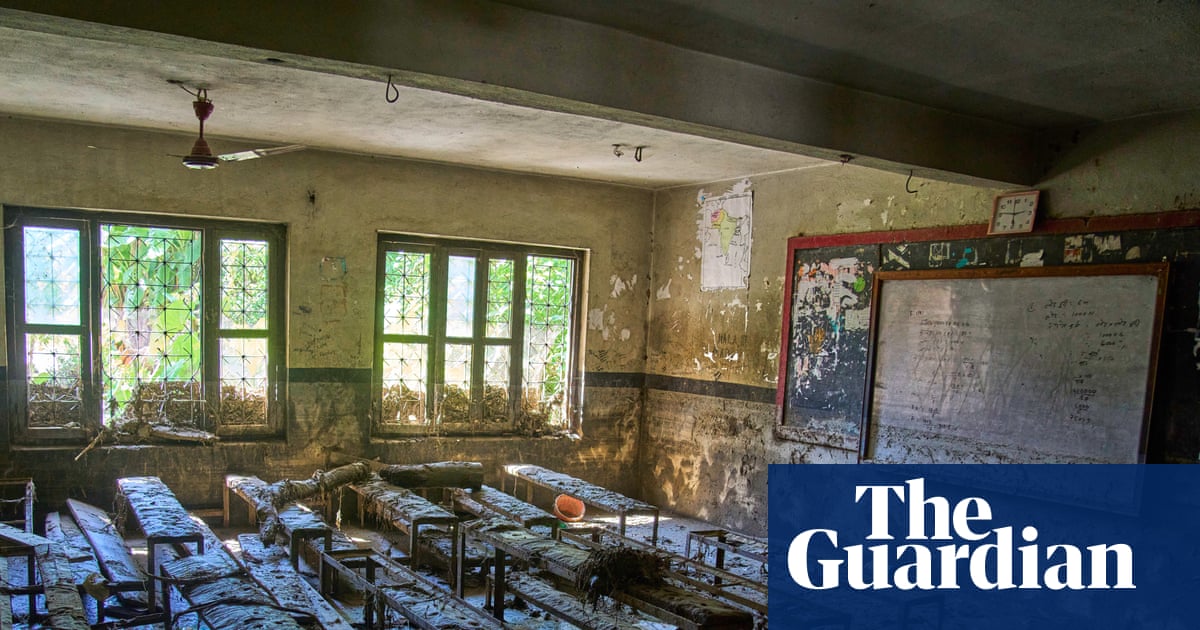
The broader impact on education infrastructure has been severe. According to Save the Children, at least 69 schools have been destroyed or damaged by the flooding, disrupting education for nearly 19,000 children. In Dhading, one of the hardest-hit districts, some students survived because they had left their classrooms for lunch breaks when the waters arrived. In other instances, teachers who recognized the danger ordered rapid evacuations just before the deluge struck, allowing students to avoid being trapped inside buildings that were subsequently overwhelmed.
The disaster originated from a glacial collapse near the Nepal-Tibet border in the Himalayas, according to the US Geological Survey. This event sent a massive wall of water and debris cascading downstream, striking communities with little warning. The scale of the destruction has been immense, with official reports indicating a death toll of 781 people as of Sunday. Additionally, more than 3,700 individuals have been rescued from the affected areas, while thousands remain unaccounted for.
Communication breakdowns in the aftermath have complicated rescue efforts and family reunifications. Nepali authorities reported that 2,502 people, including 592 foreigners, were out of contact following the initial impact. The geographic isolation of many villages in the mountainous region has hindered access for emergency responders, leaving some communities cut off from aid and information. The sheer volume of debris and the speed at which the floodwaters moved have left little trace of what once stood in their path, complicating search operations.
The human cost of the disaster extends beyond immediate casualties to long-term displacement and trauma. Families who lost homes or livelihoods face uncertain futures as they navigate the ruins of their communities. The psychological impact on children who witnessed the destruction of their schools and neighborhoods is expected to be profound. Aid organizations are working to provide shelter, food, and medical care, but the logistical challenges in the rugged terrain slow the delivery of essential supplies.
Nepal’s foreign minister has framed the disaster within the context of global climate change, calling for an international response to the crisis. He emphasized that Nepali people have become disproportionate victims of climate-related events despite contributing minimally to global fossil fuel emissions. The glacial collapse is seen by some experts as a potential indicator of broader environmental instability in the Himalayas, where rising temperatures threaten the integrity of glaciers and increase the risk of similar outburst floods.
As rescue operations continue, the focus shifts from immediate survival to recovery and reconstruction. The resilience demonstrated by local educators and community members who acted quickly to save lives offers a glimmer of hope amidst the devastation. However, the scale of the damage underscores the vulnerability of mountainous regions to extreme weather events. International support will be critical in helping Nepal rebuild its infrastructure and support affected families in the months ahead.
The incident highlights the importance of early warning systems and community preparedness in disaster-prone areas. Dawadi’s ability to act on information from upstream sources saved hundreds of lives, illustrating how localized knowledge can complement broader emergency management strategies. As Nepal grapples with the aftermath, lessons from this event may inform future policies aimed at reducing risks associated with glacial lakes and flash floods in the Himalayan region.
Sources behind this briefing
Go to the original reporting
- The Guardian World↗Headteacher saves 900 children from deadly flash flood in Nepal

