The short version
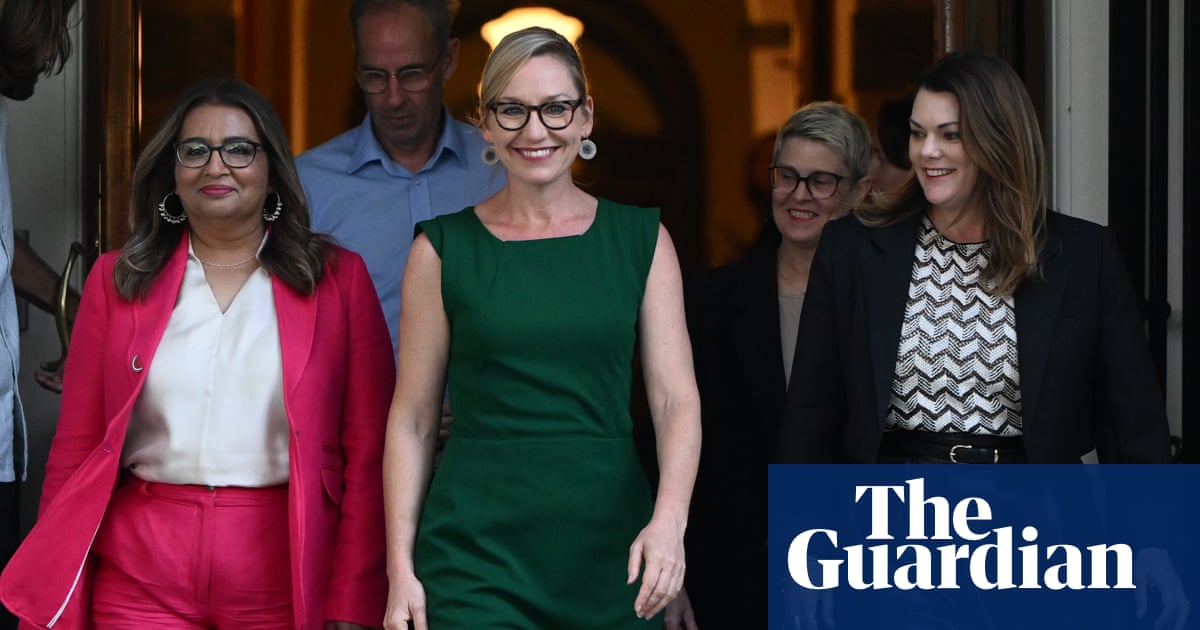
- Sarah Hanson-Young has officially entered the race for leadership of the Australian Greens, joining other contenders including Mehreen Faruqi and David Shoebridge.
- The contest follows the abrupt resignation of Larissa Waters, who stepped down to seek treatment for kidney disease after a period of declining health.
- Party members face pressure to adopt a more aggressive political stance as they navigate a shifting landscape where One Nation has emerged as a significant third force.
Sarah Hanson-Young, the Australian Greens’ longest-serving federal member, has confirmed her intention to seek the party’s leadership. Her announcement marks a pivotal moment for the group as it prepares to select a new head immediately following the unexpected departure of Larissa Waters. The decision comes ahead of a scheduled two-day retreat in Sydney, where party officials are expected to finalize the selection process by Thursday at the latest.
Waters resigned from the leadership role on Monday, citing significant health declines related to kidney disease. Party sources indicated that many members were caught off guard by the sudden announcement. Waters stated in a letter to members that her illness had curtailed her tenure and that she wished to pass responsibility to someone ready for the challenges ahead. She emphasized her commitment to remaining in the Senate while taking medical leave, noting that the demands of leadership, including extensive travel and pressure, were no longer sustainable for her.
Hanson-Young framed her candidacy as a response to what she described as inadequate governance from major parties. In her statement, she criticized the policies of both Labor and the Liberal Party, while also condemning the rhetoric associated with One Nation. She argued that communities are suffering under a flawed system and require representatives willing to advocate forcefully for their interests. This stance reflects a broader internal push within the Greens to adopt a more combative approach in federal politics.
The leadership contest features several prominent figures. Mehreen Faruqi, the current deputy leader, is considering her options, while David Shoebridge, the defense spokesperson, has declined to rule himself in or out of the race. Nick McKim, the treasury spokesperson, is also viewed as a potential contender. Negotiations may occur within the eleven-member party room to avoid a formal ballot, with discussions potentially extending to deputy leadership roles involving candidates such as Steph Hodgins-May and Penny Allman-Payne.
The timing of this transition coincides with significant shifts in Australia’s political landscape. The Greens have faced pressure to capitalize on voter dissatisfaction with traditional parties, yet Waters’ moderate style was viewed by some as insufficient for exploiting these opportunities. Recent elections saw the loss of seats for high-profile figures like Adam Bandt, while One Nation has solidified its position as a major third force. This dynamic has intensified calls for a leader who can navigate these changes more assertively.
Prime Minister Anthony Albanese responded to Waters’ resignation by wishing her well and acknowledging her constructive approach during Senate negotiations. He noted that the role demands considerable resilience and travel, factors that contributed to her decision to step aside. The Prime Minister’s comments underscore the collaborative nature of recent legislative efforts, particularly regarding environmental laws and responses to security incidents such as the Bondi beach attack.
As the party prepares for its retreat, the focus will be on establishing a clear strategic direction. The new leader will need to balance internal expectations for a tougher stance with the practical realities of governing in a fragmented parliament. The outcome of this leadership contest will likely influence how the Greens position themselves in upcoming negotiations and elections, particularly as they seek to maintain relevance amidst rising competition from right-wing alternatives.
Uncertainty remains regarding the final composition of the leadership team. While Hanson-Young has secured her place in the race, the positions of other contenders are still fluid. Faruqi’s spokesperson indicated that she is weighing her options, and Shoebridge has maintained a neutral public stance. The party room will need to reconcile these competing interests while addressing the broader challenge of revitalizing their political appeal.
The Greens’ ability to adapt to this new reality will be tested in the coming weeks. With Waters stepping back for health reasons, the party must quickly coalesce around a figure capable of driving its agenda forward. The retreat in Sydney serves as a critical juncture for determining not only who leads but also how the group will engage with voters and other political entities in an increasingly polarized environment.
Observers note that the leadership change could signal a shift toward more confrontational tactics in federal politics. Hanson-Young’s history of seeking leadership previously, despite facing rebuffs, suggests she is prepared for a rigorous contest. The resolution of this internal matter will provide insight into the Greens’ future trajectory and their capacity to influence national policy debates.
Sources behind this briefing
Go to the original reporting
- The Guardian World↗Sarah Hanson-Young announces Greens leadership tilt after MPs blindsided by Larissa Waters’ shock resignation