The short version
- Police identified the victims as David Voight, his wife Amy, and their 13-year-old daughter, all found deceased from gunshot wounds in their residence.
- Family members attribute the violence to the veteran husband's worsening PTSD symptoms, alleging that attempts to secure immediate care were unsuccessful.
- The Department of Veterans Affairs disputes these allegations, asserting that same-day mental health services are available at all facilities.
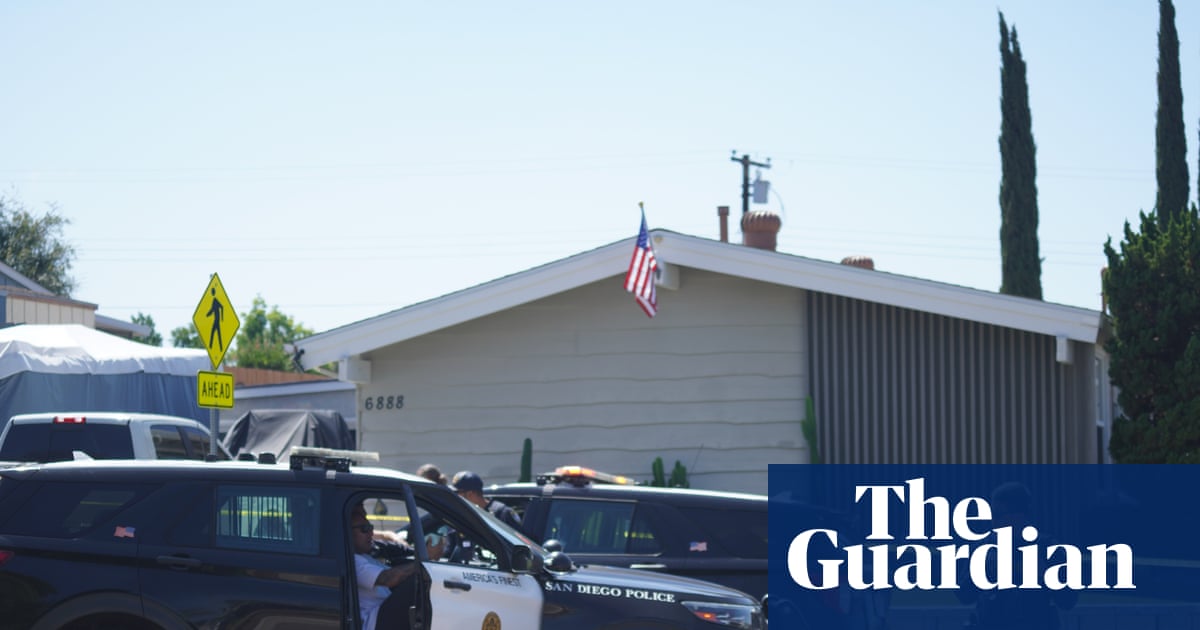
Law enforcement officials in San Diego have launched an investigation into the deaths of three family members discovered fatally shot inside their home on Wednesday morning. The victims were identified by police as David Voight, 56, his wife Amy Voight, 54, and their 13-year-old daughter. A concerned neighbor alerted authorities to the scene, where officers found a weapon in the residence. All three individuals were pronounced dead at the location, prompting an immediate response from local law enforcement agencies.
The San Diego Police Department confirmed that the cause of death for all three victims was gunshot wounds. While the specific circumstances leading to the shootings remain under active investigation, officials stated that the county medical examiner’s office will conduct autopsies to determine both the cause and manner of death. No suspects have been publicly named, and police have not released details regarding the sequence of events or whether any other individuals were involved in the incident.
Family members have provided context regarding the veteran husband’s background and recent behavior. Gerald Austin, the father of Amy Voight, described David Voight as a Navy officer who served in Iraq and Afghanistan. He noted that his daughter worked as a digital forensic examiner for the Naval Criminal Investigative Service and deeply loved her husband. According to Austin, he believes the tragic outcome was driven by Voight’s struggle with post-traumatic stress disorder, a condition affecting many service members who have deployed to combat zones.
Mary Austin, Amy Voight’s mother, reported observing a deterioration in David Voight’s mental state prior to the incident. She described him as visibly distressed and fidgety, indicating that his symptoms had become more severe in recent weeks. The family stated that they urged their daughter to seek professional assistance for her husband due to these concerning behavioral changes. These observations suggest a period of escalating tension and distress within the household before the fatal event occurred.
A significant point of contention has emerged regarding access to mental health care. Gerald Austin alleged that his daughter attempted to secure help for her husband in the days leading up to the tragedy but was unable to obtain services because they lacked an appointment. This claim highlights potential barriers to immediate care for veterans experiencing acute crises, raising questions about the responsiveness of support systems designed to assist those suffering from combat-related trauma.
The Department of Veterans Affairs has strongly disputed these allegations regarding service accessibility. Quinn Slaven, a press secretary for the VA, stated that the agency could not comment on the specific case due to privacy regulations but emphasized that the claims about service availability were inaccurate. Slaven asserted that all VA healthcare facilities provide same-day mental health care to veterans who require it, contradicting the family’s account of being turned away or unable to secure timely assistance.
This incident underscores the broader challenges faced by veterans dealing with post-traumatic stress disorder. According to data from the Department of Veterans Affairs, seven out of every 100 veterans will experience PTSD in their lifetimes. The prevalence is notably higher among those who served in Iraq and Afghanistan, with rates reaching 29 percent. Deployment history significantly increases the risk of developing this condition, making effective and accessible treatment a critical component of veteran support infrastructure.
As the investigation continues, authorities are working to piece together the timeline of events and determine the exact cause of the fatalities. The medical examiner’s findings will play a crucial role in clarifying the circumstances surrounding the deaths. Meanwhile, the conflicting narratives between the family’s experience and the VA’s official stance highlight the complex realities of accessing mental health resources for veterans in crisis situations.
The community is left to grapple with the loss of a young family and the broader implications of veteran mental health care. While police focus on the forensic aspects of the case, the incident serves as a stark reminder of the ongoing struggles faced by many service members returning from deployment. The resolution of this investigation may shed light on individual circumstances, but it also reflects systemic issues regarding the support available to veterans and their families.
No further details have been released by law enforcement regarding potential motives or additional evidence. The case remains open as investigators continue to gather information and consult with medical experts. The tragedy has drawn attention to the importance of early intervention and accessible care for individuals suffering from severe mental health conditions, particularly within the veteran population.
Sources behind this briefing
Go to the original reporting
- The Guardian World↗San Diego police investigate case of family of three found fatally shot in home

