The short version
- A truth commission report detailing state abuses against the Sami people has been handed over to Swedish authorities, marking a pivotal moment for reconciliation efforts.
- An exhibition in Kiruna features the work of early 20th-century author Johan Turi alongside contemporary artists to illustrate the continuity of Indigenous struggles.
- Modern challenges including industrial expansion, climate change, and rising political rhetoric continue to threaten Sami livelihoods and cultural preservation.
The Swedish government has received a comprehensive report from the Truth Commission for the Sami People, documenting historical abuses committed by the state against Europe’s only recognized Indigenous population. The handover of this document serves as a formal acknowledgment of past injustices and is intended to lay the groundwork for future discussions regarding reparations and reconciliation. This administrative milestone coincides with a cultural initiative in northern Sweden, where an exhibition at the Kin Museum of Contemporary Art in Kiruna brings together historical records and modern artistic expressions to contextualize the enduring impact of colonial policies.
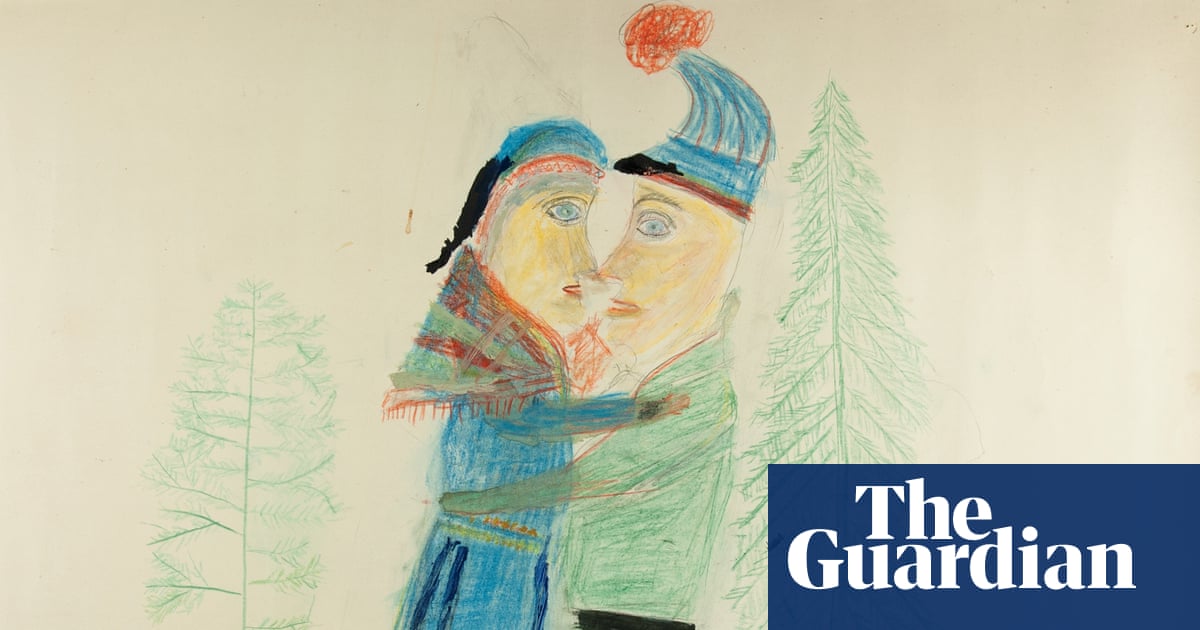
The museum display centers on the pioneering work of Johan Turi, who is widely considered the first Sami author to document his people’s lives in their own language. Turi published An Account of the Sami in 1910, a text that offered detailed insights into reindeer herding, belief systems, and daily existence during a period of intense social upheaval. His writings, drawings, and traditional handicrafts had not been publicly exhibited for nearly a century until now. The exhibition, titled On the Ugly and the Beautiful, draws its name from Turi’s philosophy that both positive and negative aspects of life deserve representation. By placing his early 20th-century materials on view, curators aim to provide a multi-perspectival understanding of Sami history that challenges dominant national narratives.
Turi’s original motivation for writing was rooted in a desire to correct misconceptions held by the broader Swedish population. Born in what is now Norway, Turi moved with his family to Kiruna as formal national borders began to restrict traditional reindeer migration routes. He hoped that presenting an accurate account of Sami life would influence political leaders, including the king, to enact changes that would alleviate the difficulties faced by Indigenous communities. Although it is unlikely that the monarchy ever read his work, the book achieved success in documenting a way of life under threat from incoming settlers, railway construction, and early industrial mining operations.
Contemporary artists Outi Pieski and Johanna Minde contribute to the exhibition by bridging the gap between Turi’s historical records and present-day realities. Pieski, who resides on the Finnish side of Sápmi, views Turi’s paper-based works as representations of the land itself, emphasizing a physical connection to the environment rather than a detached Western perspective on landscape. Her research includes efforts to revive the use of the ládjogahpir, a traditional hat worn by Sami women, which she describes as an emerging symbol for decolonial feminism. These artistic interventions underscore the continuity of cultural resistance and adaptation across generations.
The parallels between Turi’s era and the current moment are stark. While the specific industries have evolved, the fundamental conflicts over land use remain largely unchanged. Today, the extraction of rare earth minerals and the development of wind energy projects pose significant threats to reindeer herding grounds and natural habitats. These economic pressures are compounded by a resurgence of anti-Sami rhetoric from certain political figures, suggesting that societal attitudes have not progressed as rapidly as institutional mechanisms for truth-telling. The truth commission’s report arrives amidst this backdrop of ongoing tension between industrial development and Indigenous rights.
Climate change adds another layer of complexity to the challenges faced by Sami communities in the Arctic and northern regions. Unlike in Turi’s time, environmental instability is now a pressing concern that affects weather patterns, pasture quality, and overall ecosystem health. This escalating crisis intersects with existing land disputes, creating a multifaceted threat to traditional livelihoods. The exhibition and the commission report together highlight how historical grievances are not merely archival concerns but active issues that shape contemporary political and social dynamics.
Similar truth commissions have been established in Norway and Finland, reflecting a broader regional effort to address colonial legacies across Sápmi. The Swedish report is expected to inform policy decisions and public discourse regarding Indigenous sovereignty and resource management. As the document is presented at Mid Sweden University, special tours and readings of testimonies are being organized to ensure that the findings reach a wider audience. These events aim to foster a deeper understanding of the systemic issues identified by the commission.
The intersection of art, history, and policy in Kiruna illustrates the multifaceted nature of reconciliation. By revisiting Turi’s work, the exhibition reminds viewers that the struggle for recognition and land rights is not new but has persisted for over a century. The presence of contemporary artists alongside historical artifacts suggests that cultural expression remains a vital tool for asserting identity and demanding justice. As Sweden moves forward with the findings of the truth commission, the lessons from both the past and present will likely play a crucial role in shaping future relations between the state and Sami people.
The delivery of the report marks a significant step in acknowledging historical wrongs, but its implementation will determine whether meaningful change occurs. The exhibition serves as a poignant reminder that ignoring Indigenous histories is a form of colonial erasure that denies the existence and agency of these communities. As discussions about reparations begin, the insights provided by both the commission and the cultural display will be essential in navigating the path toward genuine reconciliation and equitable coexistence.
Sources behind this briefing
Go to the original reporting
- The Guardian World↗‘The same struggles as 100 years ago’: exhibition highlights lives of Sami people in Sweden

