The short version
- The World Health Organization has recorded over 3,100 attacks on healthcare facilities since the invasion began, with a significant rise in frequency observed in recent years.
- Doctors Without Borders characterizes these strikes as a sustained feature of the conflict rather than isolated incidents, noting that first-person view drones allow for precise targeting of marked medical vehicles.
- Frontline communities, particularly elderly residents with chronic conditions, face severe risks as emergency services become unable to operate safely due to the threat of secondary attacks.
The operational environment for medical personnel in Ukraine has deteriorated significantly, with Russian forces increasingly employing drones to target ambulances and first responders. This shift represents a calculated escalation in tactics that international health agencies describe as a deliberate strategy rather than collateral damage. The World Health Organization has documented more than 3,100 attacks on healthcare infrastructure since the conflict began in early 2022, averaging two incidents per day. However, the nature of these strikes has evolved, with a marked increase in frequency observed throughout 2024 and continuing into the current year.
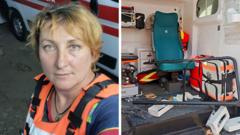
Recent accounts from paramedics in Kherson illustrate the immediate danger faced by emergency workers. In one incident, a medic responding to a drone strike was pursued by an additional unmanned aerial vehicle after her ambulance was hit. The operator of the first-person view drone reportedly tracked the responder for several minutes before disengaging. Such incidents are not isolated; multiple vehicles attempting to transport injured civilians have been struck in succession, forcing police to eventually secure the evacuation. These events highlight a pattern where initial strikes are followed by secondary attacks aimed at those arriving to provide aid.
Health organizations emphasize that the use of first-person view drones makes these attacks intentional. Unlike ballistic missiles or unguided rockets, which may cause indiscriminate damage, FPV drones provide operators with a live video feed of their targets. When such a device strikes a clearly marked ambulance or a medic wearing identifiable protective gear, it indicates a conscious decision to target protected persons under international law. Doctors Without Borders has stated that the frequency and precision of these strikes suggest they are a sustained component of Russia’s military strategy.
The tactic of double-tapping locations—striking the same site twice in quick succession—is frequently employed to maximize casualties among rescue teams. This method exploits the natural response of emergency services to rush to scenes of destruction. In Kyiv, recent air raids have resulted in deaths among police officers and volunteers who arrived at sites previously hit by missiles. The deliberate targeting of humanitarian warehouses further compounds the crisis, with facilities belonging to United Nations agencies suffering damage despite shared coordinates intended to ensure their safety.
The cumulative effect of these attacks is a severe disruption of medical services for civilians remaining near active combat zones. Many of these residents are elderly individuals managing chronic illnesses who rely on regular medication and check-ups. With ambulances unable to navigate high-risk areas safely, these populations face a slow decline in health even if they survive direct bombardment. The psychological toll on medical staff is also profound, with workers reporting constant anxiety and reliance on social media monitoring to anticipate threats before responding to calls.
Ukrainian President Volodymyr Zelensky has called for increased international pressure on Moscow to halt what he describes as hunting attacks on civilians. The systematic nature of these strikes challenges the protections afforded by the Geneva Conventions, which mandate that medical facilities and personnel be shielded from attack. As the danger zone for drone operations expands, the ability of emergency services to function effectively diminishes, leaving vulnerable communities increasingly isolated from life-saving care.
The trend shows no signs of abating, with projections indicating a continued rise in attacks on healthcare infrastructure. The adaptation of tactics by both sides, including the use of anti-drone nets and alternative transport methods like police vehicles, underscores the evolving complexity of urban warfare. Yet, the fundamental vulnerability of medical responders remains acute, as technology enables precise targeting that bypasses traditional defenses. This development raises serious questions about the future of humanitarian access in protracted conflicts where such norms are routinely violated.
International bodies continue to monitor the situation closely, documenting each incident to build a record of potential war crimes. The data collected by the WHO and other organizations serves not only as evidence but also as a warning of the broader implications for global health security. As the conflict persists, the protection of medical neutrality becomes an increasingly urgent priority, requiring robust diplomatic and legal responses to deter further violations. The current trajectory suggests that without significant intervention, the erosion of healthcare access will deepen, exacerbating the humanitarian crisis in affected regions.
Sources behind this briefing
Go to the original reporting
- BBC News↗'I ran because I knew I would die': Russian drones target medics in Ukraine

