The short version
- Russian strikes on Kyiv data centers and ISPs caused temporary outages for roughly 100,000 households and killed four people at a major telecommunications office.
- Polish authorities reported an arson attack on a Starlink station serving Ukraine, described as sabotage linked to Moscow, expanding the perceived theater of infrastructure warfare.
- Ukrainian officials warn that repeated attacks could disrupt banking and public services this winter, even as the government seeks domestic production licenses for Patriot air defense systems.
Russia has intensified its campaign against Ukraine’s digital infrastructure, launching a series of strikes on data centers and internet service providers in Kyiv this week. The attacks appear designed to weaken the technological backbone that supports the nation’s economy, particularly as winter approaches and reliance on stable networks for banking, payments, and public services becomes critical. Approximately 100,000 households in the capital and surrounding areas experienced temporary internet disruptions following strikes on Wednesday and Thursday, according to Ukraine’s digital transformation ministry.
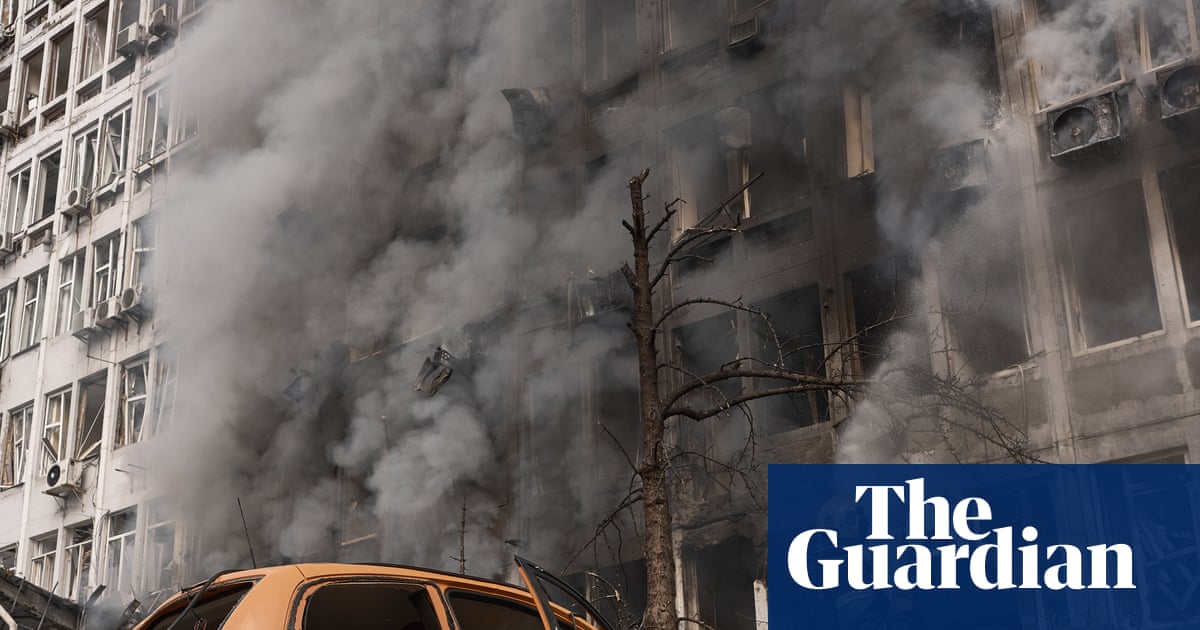
The violence escalated on Friday when a drone strike hit the offices of Datagroup, one of the country’s largest telecommunications firms, located in central Kyiv. The attack resulted in four deaths. Ukrainian Foreign Minister Andrii Sybiha stated that Moscow is targeting major data centers to disrupt information flows. While Russia has previously struck digital infrastructure, the scale and coordination of these recent operations mark a significant shift in tactics, aiming to degrade connectivity on a broader level than before.
Concerns about the geographic reach of these attacks extended beyond Ukrainian borders when Polish authorities reported that a Starlink satellite station in central Poland was set on fire. The facility served Ukrainian users, and local officials characterized the incident as an act of sabotage linked to Moscow. This event suggests a coordinated effort to undermine Ukraine’s internet infrastructure from multiple angles, potentially complicating efforts to maintain reliable communication channels during periods of heightened conflict.
Ukrainian authorities have long prioritized maintaining connectivity throughout the war, implementing measures to ensure mobile and internet providers possess sufficient backup power to operate during prolonged electricity outages. The country’s relatively decentralized internet architecture has historically made it difficult for individual strikes to cause widespread or sustained outages across entire cities or regions. However, officials now fear that repeated attacks could overwhelm these redundancies, leading to significant disruptions in essential services as the weather turns colder.
In response to the growing threat, public figures and former government advisers are urging residents to prepare for potential communication blackouts. Serhii Sternenko, a prominent blogger, recommended that Kyiv residents acquire Starlink terminals or alternative communication methods to ensure they can stay connected during winter. He asserted that Russian objectives extend beyond energy infrastructure to include the complete destruction of data centers and internet operators, signaling a comprehensive strategy to isolate Ukraine digitally.
These digital strikes coincide with a broader intensification of Russian attacks on Ukraine’s physical economy. Missiles and new jet-powered drones have been deployed against warehouses, petrol stations, ports, and other commercial sites, adding pressure to an economy already strained by nearly five years of full-scale war. Among the recent targets was a warehouse used by McDonald’s outside Kyiv. Heavy industry has also suffered severe damage, with Russian strikes disrupting steel production facilities to such an extent that Ukraine failed to produce any steel this month, a first in a century according to industry officials.
Ukraine faces significant challenges in countering these threats due to shortages of defensive capabilities. The country is struggling to intercept a growing number of high-speed Russian jet-powered drones, including the Geran-5 model, while also running critically low on Patriot missiles needed to defend against ballistic and cruise missile attacks. President Volodymyr Zelenskyy announced that former U.S. President Donald Trump had approved licenses for Ukraine to produce Patriot air defense systems domestically. This development offers a potential long-term solution to ammunition shortages, though experts note that establishing domestic production could take years.
The path forward remains uncertain as Ukraine balances immediate defensive needs with long-term infrastructure resilience. The approval of Patriot production licenses marks a shift in U.S. policy, which has previously fluctuated on the issue amid pressure on American stockpiles due to conflicts in the Middle East. For now, Ukrainian authorities and citizens must navigate a landscape where digital connectivity is as vulnerable as physical power grids, requiring adaptive strategies to maintain economic and social functionality under sustained attack.
Sources behind this briefing
Go to the original reporting
- The Guardian US↗Russia strikes at heart of Ukraine’s digital economy with attacks on ISPs and datacentres

