The short version
- Russian defense officials announced preparations for massive strikes on Ukraine's energy sector in retaliation for attacks on Russian civilian infrastructure.
- The death toll from a strike on a warehouse near Kyiv has risen to 38, marking the deadliest single incident of the year so far.
- Ukrainian leaders are pursuing advanced EU loans to cover budget deficits and preparing for further negotiations with US representatives.
Russian military authorities have announced they are initiating preparations for extensive attacks against Ukraine’s energy infrastructure. The defense ministry stated on Sunday that these operations are a direct response to ongoing strikes by Kyiv forces on Russian civilian facilities and the nation’s oil and energy complex. This declaration signals a potential return to the severe winter campaign seen last year, when repeated assaults on power plants devastated the grid, leaving millions of residents without heat or electricity during freezing temperatures.
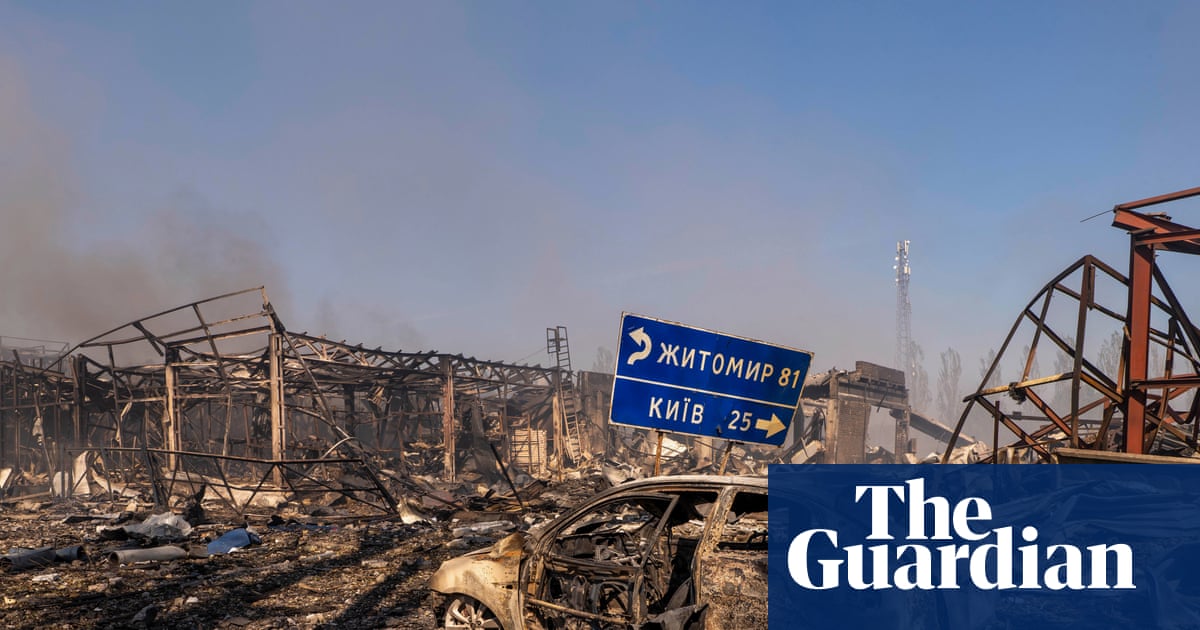
The threat of renewed energy warfare emerges as the human cost of recent hostilities continues to mount. The death toll from a Russian strike on a warehouse west of Kyiv has climbed to 38, with four individuals still missing. Ukrainian President Volodymyr Zelenskyy identified this incident as the deadliest attack of the year. The facility, which officials indicated was storing ammunition, suffered massive explosions that ignited fires spreading through dozens of nearby homes and structures in the village of Myla.
Violence has persisted across multiple regions in the days following the warehouse strike. In Kyiv, Saturday attacks resulted in the death of a two-year-old girl and injuries to twelve others, according to Mayor Vitali Klitschko. Meanwhile, in eastern Ukraine, Russian troops dropped bombs on private residences in the village of Bilbasovka, killing a thirteen-year-old child and an adult. Local official Vadim Lyakh confirmed these casualties on Sunday, highlighting the continued danger to civilians in frontline areas.
Hostilities have also extended into Russian territory near the border. A missile attack struck the city of Belgorod on Sunday evening, killing two people and injuring sixteen others. Acting Governor Alexander Shuvayev reported that the strike hit a commercial facility and caused fires in seven warehouses. Additionally, one person died in an attack on a mine in the Russian-controlled part of the Luhansk region, according to Leonid Pasechnik, the region’s appointed governor.
Amid the military escalation, Ukraine is addressing significant financial pressures. Defense Minister Yevhenii Khmara stated that Kyiv aims to accelerate the disbursement of a European Union loan originally scheduled for next year. This move is intended to help cover a $27 billion budget deficit for the current fiscal period. Khmara emphasized the need for clarity in Ukraine’s war strategy, both for international partners and within the military chain of command.
On the defensive front, Ukrainian forces are developing new countermeasures against Russian aerial threats. Khmara revealed that Kyiv has tested four potential interceptor systems designed to shoot down jet-powered drones. These high-speed unmanned aircraft have been launched in swarms, plaguing the capital for four consecutive days and causing significant disruption to daily life through casualties and property damage.
Diplomatic efforts remain a central focus for Ukrainian leadership. President Zelenskyy announced preparations for further talks with representatives of US President Donald Trump. He expressed hope that detailed plans would be shared soon, noting that Kyiv is committed to exploring options beyond continued warfare. Zelenskyy highlighted the alignment between American and Ukrainian perspectives on the evolving situation.
NATO officials have assessed the broader security landscape in Europe. A representative noted that while Russia is increasing hybrid activities across the continent and intensifying attacks on Ukraine, the alliance does not currently perceive an imminent threat of direct attack on NATO members. The official reaffirmed the alliance’s vigilance and commitment to supporting Ukraine while ensuring the safety of its member populations.
Sources behind this briefing
Go to the original reporting
- The Guardian US↗Ukraine war briefing: Russia planning ‘massive strikes’ on power plants days after its deadliest attack of the year

