The short version
- Russia has withdrawn its ambassador to the United Kingdom, leaving the post vacant with no immediate replacement named.
- The move follows heightened rhetoric from Moscow regarding British support for Ukraine, including warnings of consequences for drone supplies.
- Analysts suggest this may signal a permanent downgrade in diplomatic ties rather than a temporary staffing gap.
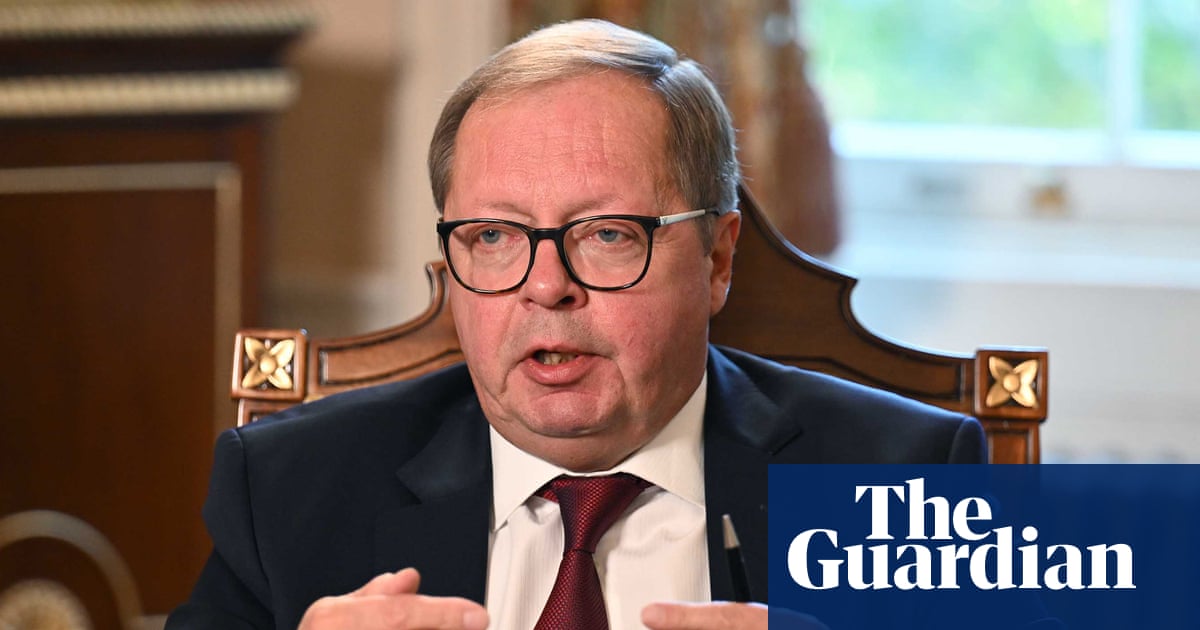
Russia has formally withdrawn its ambassador to the United Kingdom, a move that underscores the severe deterioration of relations between Moscow and London. Andrey Kelin, who held the post for seven years, departed Britain last month. His name has been removed from the diplomatic list on the Russian embassy’s website, leaving Vasily A Tsyganov as the sole senior official listed, serving in the capacity of chargé d’affaires. There is currently no indication that a successor will be appointed to fill the vacancy.
The timing of this withdrawal coincides with an intensification of diplomatic pressure from the Kremlin regarding British support for Ukraine. Last week, the Russian embassy issued a stark warning about potential consequences after reports emerged that Britain was supplying attack drones to Kyiv. Ministry of Defence sources confirmed that two drones manufactured by British companies had been used by Ukrainian forces to strike targets within Russian territory. In response, the embassy released a statement on Telegram asserting that London’s actions would inevitably carry repercussions for which it would have to answer.
A spokesperson for the Russian embassy told the Sunday Times that Kelin had made efforts to preserve lines of communication with the UK government. The spokesperson accused British officials of choosing a path of confrontation and stated that Kelin left in the hope that a more constructive dialogue could be restored if London reconsidered its policies toward Russia. However, the Kremlin has not yet put forward a candidate to replace him, leaving the status of the relationship ambiguous.
Experts note that while gaps between ambassadors are not unprecedented in diplomatic history, the current context suggests a deeper shift. John Foreman, a former British defence attache in Moscow and Kyiv, observed on social media that the embassy’s recent strident statements and the overall deterioration of bilateral relations since 2018, and especially since the start of the war, raise concerns. He questioned whether Moscow intends to permanently downgrade the relationship by default, simply by failing to appoint a new ambassador.
Critics of the Russian stance argue that functional diplomacy has already eroded long before this latest development. Shaun Pinner, a former British soldier who fought alongside Ukrainian marines and was subsequently captured and held by Russian forces, suggested that viewing Kelin’s exit as a dangerous loss of communication is misleading. He argued that if Moscow refuses to engage meaningfully and uses its diplomatic presence primarily to repeat Kremlin narratives, then the relationship was not functioning in any meaningful sense anyway.
Kelin himself has been a vocal proponent of Russian government positions during his tenure. In recent interviews with British media, including one on Sky News in June, he asserted that Russia cannot lose the war in Ukraine. Having joined the Soviet diplomatic service in 1979, Kelin’s career spans decades of geopolitical shifts, but his final months in London were marked by a hardening of rhetoric rather than efforts at de-escalation.
The removal of the ambassador represents a symbolic and practical step back from direct high-level engagement. With only the chargé d’affaires remaining, the channel for top-tier diplomatic negotiation is effectively closed. This development forces both governments to rely on lower-level contacts or indirect communication methods, which may prove insufficient for managing crises or negotiating complex issues.
As tensions continue to ratchet up, the absence of an ambassador complicates efforts to manage incidents and prevent further escalation. The UK government has not commented extensively on the withdrawal, focusing instead on its continued support for Ukraine’s defense capabilities. Meanwhile, Moscow’s warning of consequences serves as a reminder of the risks associated with Western military aid to Kyiv.
The situation remains fluid, with no clear timeline for whether Russia will appoint a new ambassador or maintain this reduced diplomatic footprint indefinitely. The lack of a replacement candidate suggests that Moscow may be testing the limits of its leverage over Britain while signaling displeasure with London’s stance on the war. Observers will watch closely to see if this marks a permanent shift in bilateral relations or a temporary tactical pause.
Ultimately, the withdrawal of Andrey Kelin reflects the broader breakdown in trust and cooperation between Russia and the UK. As the conflict in Ukraine continues, diplomatic ties are likely to remain strained, with both sides prioritizing their strategic interests over maintaining traditional channels of communication. The coming months will reveal whether this gap can be bridged or if it becomes a permanent feature of post-war diplomacy.
Sources behind this briefing
Go to the original reporting
- The Guardian World↗Russia withdraws ambassador to UK as Kremlin ratchets pressure over Ukraine support

