The short version
- Russian forces conducted a lengthy aerial campaign involving ballistic missiles and hundreds of drones, targeting civilian infrastructure in multiple regions including Kherson and Kyiv.
- Damage to Russian petroleum refineries has forced Moscow to import gasoline from Turkey and process crude oil in Kazakhstan, highlighting significant logistical vulnerabilities.
- Four European nations urged the EU to reconsider using frozen Russian central bank assets to fund Ukraine, despite legal concerns raised by Belgium regarding liability.
Russian military operations intensified significantly over a prolonged period extending from Wednesday night into Thursday, marking a major escalation in aerial bombardment. Ukrainian defense officials reported intercepting seven ballistic missiles and approximately 258 combat drones during the sustained assault. The strikes were directed at critical civilian infrastructure, including ports, grain storage facilities, energy grids, and industrial sites across several regions. Foreign Minister Andrii Sybiha characterized the attack as massive, noting the use of both hypersonic and ballistic weaponry alongside drone swarms to degrade Ukraine’s logistical and economic capabilities.
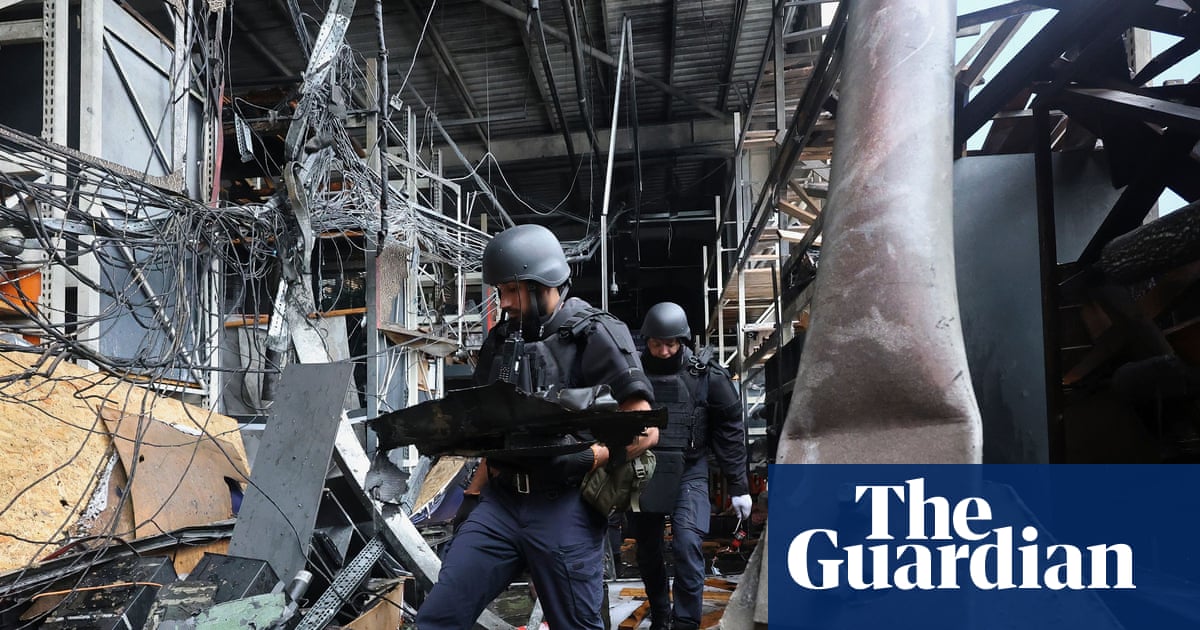
The impact of these strikes was felt widely, with significant damage reported in Kyiv, Kharkiv, Poltava, Odesa, and Kryvyi Rih. In Kharkiv, a lunchtime attack on a shopping center resulted in one fatality and two injuries. Near the capital, retail distribution centers and warehouses for major companies, including the chocolate manufacturer Roshen, were destroyed or severely damaged. Commuters in Kyiv encountered active air defense fire as interceptors engaged incoming threats, underscoring the persistent danger to urban populations despite defensive measures.
Particular concern has been raised regarding the destruction of energy infrastructure in southern Ukraine. A thermal power plant in Kherson suffered a direct hit that eliminated all its generating capacity. State oil and gas company Naftogaz described the facility as purely civilian, providing heat to a large portion of the city’s residential buildings. Regional Governor Oleksandr Prokudin warned that the damage could leave Kherson without electricity or heating for an extended period, urging residents, particularly families with children and elderly individuals, to evacuate if possible.
The conflict’s reach extended beyond Ukrainian borders when six Russian drones entered Moldovan airspace. Local authorities confirmed that one drone was recovered on Moldovan territory. President Maia Sandu strongly condemned the incident as an act of intimidation, highlighting the regional instability caused by the ongoing war. This breach of sovereignty adds to the diplomatic pressure on neighboring states and raises questions about the effectiveness of current air defense coordination in Eastern Europe.
While Ukraine faces infrastructure destruction, Russia is grappling with severe domestic fuel shortages resulting from Ukrainian strikes on its petroleum industry. Multiple refineries have been damaged, forcing Moscow to seek alternative processing solutions. Russian crude oil is now being shipped to Kazakhstan for refinement, with the majority of the resulting fuel transported back by rail due to the lack of pipeline connections. Additionally, Russia recently purchased 200,000 barrels of gasoline from Turkey, marking the fifth confirmed seaborne delivery of vehicle fuel this summer.
These logistical challenges represent a significant shift for a country that was once the world’s second-largest crude oil producer. The scramble to secure gasoline has intensified throughout the summer, with imports from war ally Belarus increasing dramatically compared to the previous year. The reliance on external processing and imports exposes vulnerabilities in Russia’s military-industrial complex and suggests that sustained Ukrainian pressure on energy infrastructure is having a tangible economic impact.
In response to the evolving situation, four European nations—the Netherlands, Poland, Spain, and Sweden—issued a joint call for the European Union to revisit the use of frozen Russian central bank assets. In a letter to the EU executive, these countries argued that the current moment is appropriate to explore further utilization of the approximately €200 billion in immobilized funds to support Ukraine. This proposal faces legal hurdles, particularly from Belgium, which holds the bulk of the assets and fears potential liability if the funds are seized.
The EU has previously opted for a loan-based approach, providing Ukraine with €90 billion rather than directly appropriating Russian assets. The renewed push by these four nations indicates growing frustration with the pace of financial support and a desire to leverage Russia’s own resources against its war effort. Meanwhile, security incidents continue to ripple across Europe, including a thwarted arson attack on a drone manufacturer in Slovakia and a car bomb killing a Russian serviceman in St Petersburg, illustrating the broad and complex nature of the conflict.
Sources behind this briefing
Go to the original reporting
- The Guardian US↗Ukraine war briefing: Missiles shot down during long Russian attack wave

