The short version
- Seven people were killed and critical infrastructure damaged in at least ten regions during the heaviest combined attack on energy sites in months.
- Emergency power rationing has been imposed in Kyiv and surrounding areas, raising concerns about civilian resilience as freezing weather is forecast.
- Ukrainian forces report territorial gains in a counteroffensive near Lyman while urging Western sanctions on Russian satellite development programs.
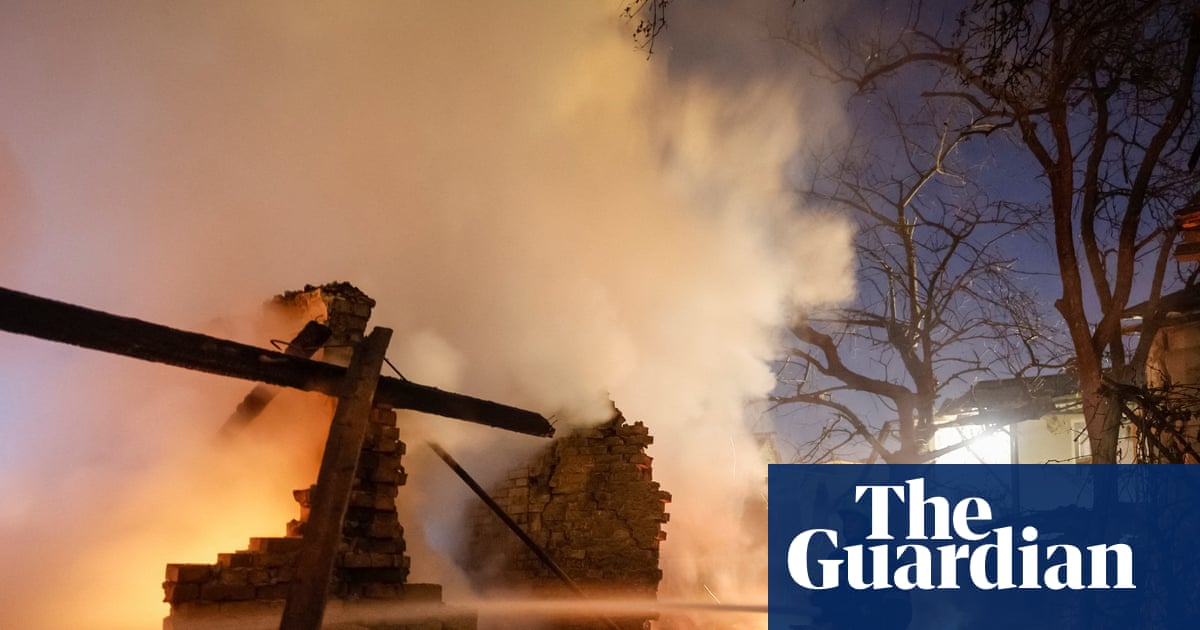
Russia has initiated a widespread air campaign targeting Ukraine’s energy infrastructure, marking the most intense coordinated assault on power facilities in recent months. The strikes, which occurred overnight and extended across at least ten regions, have resulted in significant damage to critical systems around Kyiv and other parts of the country. Ukrainian officials confirmed that seven people were killed in the attacks, including one child, underscoring the lethal nature of the escalation as winter approaches.
In response to the physical damage inflicted on the grid, state power operator Ukrenergo implemented emergency power cuts in Kyiv and three adjacent regions. This measure represents the first time such rationing has been enforced in the capital since the spring months. The timing of the offensive is particularly concerning given meteorological forecasts predicting freezing nighttime temperatures in Kyiv over the coming days. Many residents now face the prospect of enduring cold and darkness with limited air defense capabilities to intercept further incoming threats.
Prime Minister Sergii Koretskyi characterized the event as a massive escalation by Russian forces against energy infrastructure. President Volodymyr Zelenskyy provided additional details, noting that critical infrastructure was hit in five regions while further damage was reported in another five. The intensity of the drone barrages preceding the major airstrikes suggests a deliberate strategy to degrade Ukraine’s ability to maintain essential services during the harshest season of the year.
Amidst the infrastructure crisis, Zelenskyy visited a military command post near Lyman in eastern Ukraine to assess ongoing operations. He highlighted recent gains achieved by Ukrainian forces during a counteroffensive in the Donbas region. According to the president, troops have recaptured approximately 176 square kilometers of territory since the operation began. These advances are described as crucial for maintaining defensive lines around key fortress cities such as Sloviansk and Kramatorsk.
The strategic importance of these territorial gains lies in their ability to prevent Russian forces from breaking through rear defenses. Zelenskyy emphasized that the operation serves a dual purpose: securing local positions and contributing to the overall defense posture of eastern Ukraine. By stabilizing the front lines, Ukrainian commanders aim to deny Moscow the opportunity to exploit vulnerabilities in the region’s fortified urban centers.
On the diplomatic front, Ukraine is pressing the United States to impose sanctions on Russian entities involved in developing the Rassvet satellite network. Acting Ambassador Denys Sienik warned that this domestic alternative to SpaceX’s Starlink poses grave risks if allowed to proceed without international pressure. Kyiv plans to issue its own national sanctions against these organizations, arguing that failure to act would enable Russia to achieve operational capabilities by 2027, fundamentally altering the technological balance of the conflict.
Meanwhile, humanitarian efforts continue through high-level religious diplomacy. Papal envoy Cardinal Matteo Zuppi engaged in talks with Russian officials and visited Ukrainian prisoners of war during a three-day mission. His visit coincided with an appeal from Pope Leo for both nations to negotiate an end to the four-and-a-half-year war. The pontiff also criticized national leaders for rhetoric surrounding nuclear weapons and increasingly destructive warfare tactics.
Zuppi’s discussions included conditions in Oleshky, a town in the Kherson region occupied by Russian forces. Ukrainian officials reported that their military used drones to deliver food and medicine to civilians there last weekend. As the conflict enters its fifth year, the combination of intensified physical attacks on infrastructure, ongoing territorial disputes, and diplomatic maneuvers highlights the complex and evolving nature of the war. The immediate focus remains on mitigating the impact of energy losses while preparing for prolonged hardship during the winter months.
Sources behind this briefing
Go to the original reporting
- The Guardian US↗Ukraine war briefing: Russia pounds power grid with seven killed in biggest energy attack in months

