The short version
- Russian authorities conducted parliamentary elections in four Ukrainian regions annexed in 2022, a move condemned by Kyiv and the European Union as illegal and coercive.
- Human rights groups report that Russian security forces are escorting election officials to compel participation, while Moscow claims successful defense against alleged cyberattacks on voting infrastructure.
- Separate incidents include a US approval for air defense sales to Ukraine, drone sightings disrupting Luxembourg’s airport, and Turkish mediation efforts stalling due to irreconcilable positions between Kyiv and Moscow.
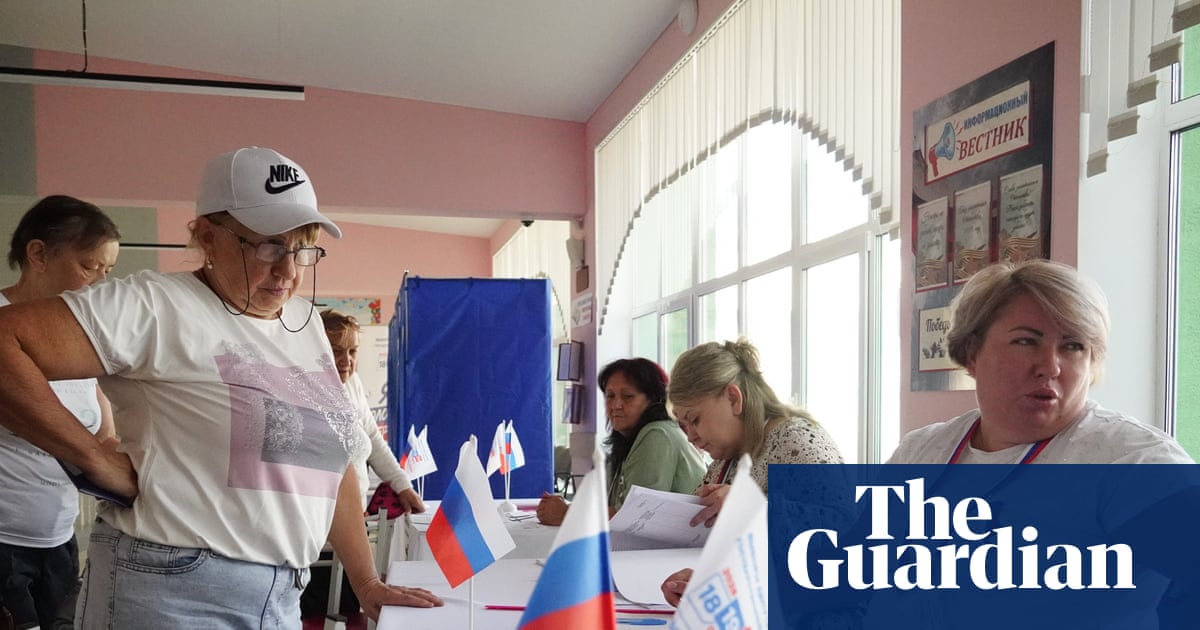
The first day of Russia’s parliamentary elections has drawn sharp international criticism after Moscow included residents of four Ukrainian regions it illegally annexed in September 2022. The vote, which officially runs from Friday through Sunday, marks a significant escalation in the Kremlin’s attempt to legitimize its territorial gains through domestic political processes. Authorities in Kyiv have denounced the action as illegal, urging foreign governments and international organizations to refuse recognition of the results. This development occurs on day 1,670 of the conflict, underscoring the enduring nature of the dispute and the strategic importance Moscow places on consolidating control over occupied territories.
Russian officials state that more than 3.5 million voters reside in the Donetsk, Luhansk, Kherson, and Zaporizhzhia regions included in this poll. While the official voting period spans three days, balloting began earlier in these annexed areas and some border zones due to cited security concerns. Vladimir Putin has emphasized the significance of participation in these territories, viewing the election as a demonstration of public support for the war effort. The ruling United Russia party is widely expected to maintain its dominance in the State Duma, with the inclusion of Ukrainian voters serving to bolster those numbers and project an image of stability and popular mandate.
In Kyiv, human rights organizations have issued urgent warnings to residents in Russian-held territories, advising them to avoid participation to protect their safety. A coalition of nine groups described the electoral process as a tool for legitimizing occupation, noting that local election commissions are being escorted by troops and security agents to compel voting. Violeta Artemchuk, coordinator of the Donbas SOS group, highlighted reports of house-to-house visits aimed at forcing compliance. These accounts suggest a climate of coercion rather than free choice, aligning with Kyiv’s characterization of the event as a farce designed to cement illegal annexations.
The European Commission responded with strong condemnation, labeling the voting in occupied territories as another blatant violation of international law. Spokesperson Christian Wigand stated that the EU will never recognize either the holding of these sham elections or their outcomes. This stance reinforces the broader Western position that Russia’s actions in Ukraine remain illegitimate under international frameworks. The diplomatic rejection serves to isolate Moscow further, denying the Kremlin any potential validation from key global partners regarding its territorial claims.
Amid the political maneuvering, Russian authorities reported attacks on voting systems and communication lines across the country during the poll. Ella Pamfilova, chair of the Central Election Commission, claimed that all such incidents were successfully repelled. President Putin accused Ukraine of attempting to interfere with the vote, though he provided no evidence to support these allegations. Kyiv has dismissed the election as illegitimate, creating a stark contrast between Moscow’s narrative of successful democratic participation and the opposing view of coerced, unlawful activity.
In related developments, the United States State Department notified Congress of a potential $2.68 billion sale of air defense equipment to Ukraine. This approval follows repeated requests from Kyiv for support to counter Russian attacks. The proposed sale includes upgrades for air defense development and related services, subject to congressional review. This military aid underscores the ongoing nature of the conflict and the continued Western commitment to bolstering Ukraine’s defensive capabilities against sustained aggression.
Security concerns extended beyond the battlefield into European airspace, with Luxembourg investigating drone sightings that forced the temporary suspension of operations at its main airport. Prime Minister Luc Frieden confirmed cooperation with NATO allies regarding the incident, which occurred amid heightened fears of hybrid attacks from Russia. While it remains unclear where the drones originated, their presence has raised alarms about potential threats to civilian infrastructure in neutral or allied nations.
Efforts to stabilize maritime security in the Black Sea have also faced significant hurdles. Turkish Foreign Minister Hakan Fidan stated that positions held by Ukraine and Russia regarding attacks on civilian ships are difficult to reconcile. Turkey had proposed a framework to end strikes on commercial vessels, but responses from both sides have revealed deep divisions. With global reliance on grain exports from the region, the failure to reach an agreement poses risks to food security and economic stability worldwide.
Sources behind this briefing
Go to the original reporting
- The Guardian US↗Ukraine war briefing: Kyiv denounces Russia’s inclusion of annexed regions in parliamentary elections

