The short version
- Russian forces launched approximately 800 jet-powered drones in a four-day period, marking a significant shift toward faster, harder-to-intercept weaponry.
- The new Geran-4 and Geran-5 models travel at speeds up to 250 mph, exceeding the capabilities of Ukraine's current low-cost interceptor systems.
- Ukrainian officials report that supply chains are being rebuilt despite warehouse strikes, while engineers race to create effective countermeasures for the autumn months.
The nature of aerial warfare in Ukraine has shifted dramatically as Russian forces intensified their use of high-speed, jet-powered drones. In a four-day span ending late August, Moscow launched approximately 800 of these advanced unmanned aircraft into Ukrainian territory. This surge represents a tactical evolution from the slower, piston-engine variants that have dominated previous phases of the conflict. The increased volume and speed of these attacks have forced Ukrainian defenses to adapt rapidly, as the new weapons are significantly more difficult to neutralize with existing countermeasures.
The primary concern for Kyiv is the velocity of the incoming threats. The latest jet-powered models, identified by Ukrainian officials as the Geran-4 and Geran-5, cruise at speeds between 200 and 250 miles per hour. This is roughly double the speed of the older piston-engine Shahed drones, which typically travel around 115 mph. Because Ukraine’s current low-cost interceptor drones were designed to match the slower pace of the original models, they are often unable to catch up to the jet-powered variants. Consequently, Ukrainian forces have had to rely more heavily on combat aircraft to shoot down these faster targets, a resource-intensive strategy that may not be sustainable in the long term.
The escalation has also altered the daily rhythm of life in major cities, particularly Kyiv. Daytime air raids, which were previously uncommon, have become frequent occurrences. Residents face prolonged periods of uncertainty as air raid alerts sound repeatedly throughout the day. By lunchtime on one recent Monday, eight separate alerts had been issued in the capital. This pattern has disrupted business operations and forced individuals to make difficult decisions about whether to remain in their homes, seek shelter in basements, or ignore the warnings entirely. The psychological toll of these sustained daytime attacks adds a new layer of strain to the ongoing conflict.
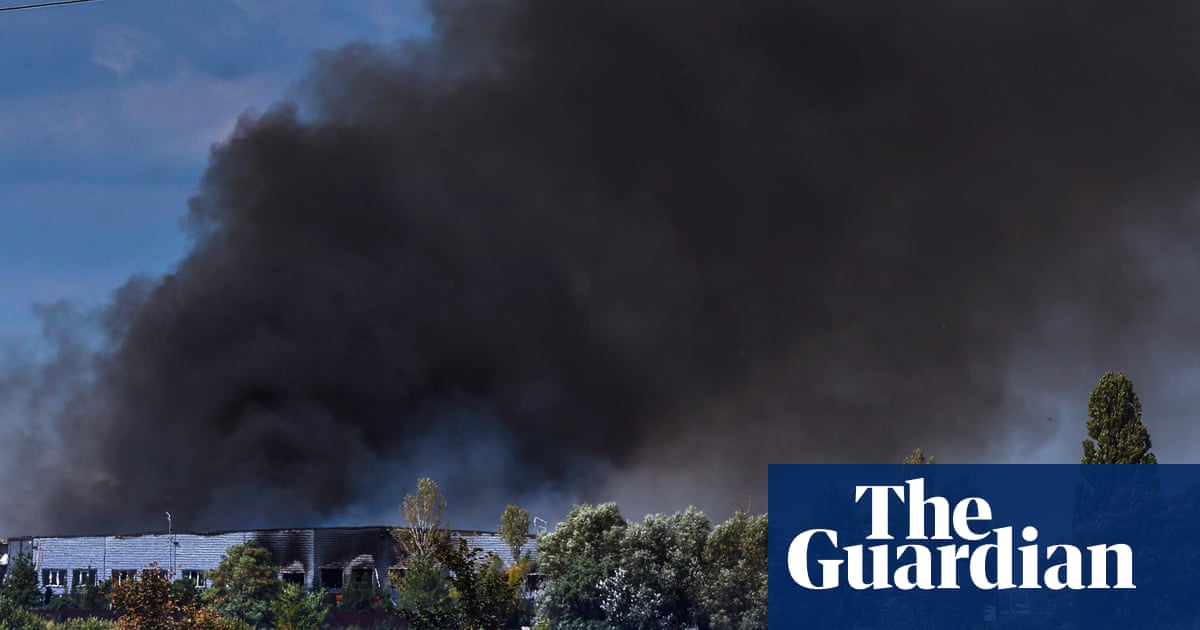
The human cost of this intensified campaign was starkly illustrated by a strike on Thursday near Myla, a village located about 15 miles west of Kyiv. A Geran-4 drone hit an ammunition storage facility, triggering hours of secondary explosions. The attack resulted in the deaths of 38 people and caused significant damage to nearby warehouses and residential homes. It stands as one of the deadliest single incidents of the war to date. Such strikes underscore the vulnerability of infrastructure and civilian areas when faced with weapons that are both numerous and fast-moving.
Ukrainian President Volodymyr Zelenskyy highlighted the scale of the threat, noting that jet-powered drones now account for more than half of all unmanned attacks launched by Russia. He emphasized that nearly 1,500 drones of various types were fired during the four-day period in question. The president stressed the critical need to maintain high interception rates as the country moves into autumn. While Ukraine has previously achieved interception rates above 90% for slower drones, sustaining that level of defense against faster targets requires immediate technological innovation.
In response to the evolving threat, Ukrainian engineers are working urgently to develop new interceptor drones capable of matching the speed of the Russian jets. Zelenskyy indicated that four companies have developed relevant technologies, with one demonstrating particular success. However, details regarding these new systems remain scarce. The race to produce effective countermeasures is critical, as the current defensive gap leaves key infrastructure and population centers exposed to sustained bombardment.
The production capacity behind this drone surge appears substantial. Adviser Serhii Beskrestnov noted that at least 2,500 jet drones were launched in August alone, a significant increase from the 1,500 deployed in July. Evidence suggests these weapons are being manufactured and deployed with remarkable speed, with production stamps indicating they are fired within days of leaving factories in Yelabuga. Russia has transitioned to producing more jet-powered variants than the original piston-engine models, signaling a long-term commitment to this type of aerial warfare.
Beyond the immediate military threat, the strikes have targeted logistical hubs around Kyiv, including warehouses linked to major distribution networks. These attacks are widely viewed as retaliation for Ukrainian operations against Russian supply chains. While some food shortages have been reported in local shops, officials have urged the public to remain calm. Beskrestnov stated that companies are actively rebuilding their supply lines and assured citizens that the country would not face starvation. The focus remains on stabilizing logistics while simultaneously upgrading air defense capabilities to handle the next wave of high-speed attacks.
Sources behind this briefing
Go to the original reporting
- The Guardian US↗Russia fires 800 jet-powered drones into Ukraine in four days

