The short version
- Russia has officially confirmed it is importing refined fuel, including gasoline from India and diesel from Asia, after Ukrainian military strikes significantly reduced domestic refining output.
- Fuel shortages have prompted Russian authorities to ban exports and impose strict purchase limits at state-owned stations, with Moscow residents facing caps on petrol purchases.
- Amid the energy crisis, Russian forces continued missile attacks on Kyiv, killing at least five people, while a prisoner exchange saw 103 detainees swapped between the two nations.
The Russian government has formally acknowledged that it is importing refined petroleum products, a significant development that underscores the effectiveness of Ukraine’s sustained military campaign against Moscow’s energy infrastructure. Deputy Prime Minister Alexander Novak confirmed on Wednesday that imports had commenced, though he declined to specify volumes or origins. This admission marks a stark reversal for a nation that was historically a major global exporter of fuel before the invasion. The shift is driven by extensive damage to refineries and storage depots caused by Ukrainian strikes, which have severely constrained Russia’s ability to process crude oil into usable gasoline and diesel.
Shipping data and industry sources indicate that at least one cargo of gasoline from India has already entered the Russian domestic market. An Oman-flagged tanker unloaded approximately 68,000 tonnes of fuel at the Arctic port of Vitino in early August. The fuel had been transferred via ship-to-ship operations near Port Said after being loaded at India’s Vadinar port. Industry insiders suggest that at least two additional cargoes from India are expected to arrive within the next fortnight. This influx of Indian gasoline highlights how sanctions and wartime destruction have forced Russia to rely on former customers for essential energy supplies.
Beyond maritime shipments, Moscow is diversifying its supply chains through land routes. Reports indicate arrangements are underway to import gasoline via rail from Belarus and Kazakhstan. Additionally, intelligence suggests that diesel imports from Asian suppliers have also begun. These measures come as the Russian government has imposed a ban on fuel exports to prioritize domestic consumption. The combination of export restrictions and increased imports reflects a desperate attempt to stabilize an energy sector that has been systematically degraded by Kyiv’s targeting strategy.
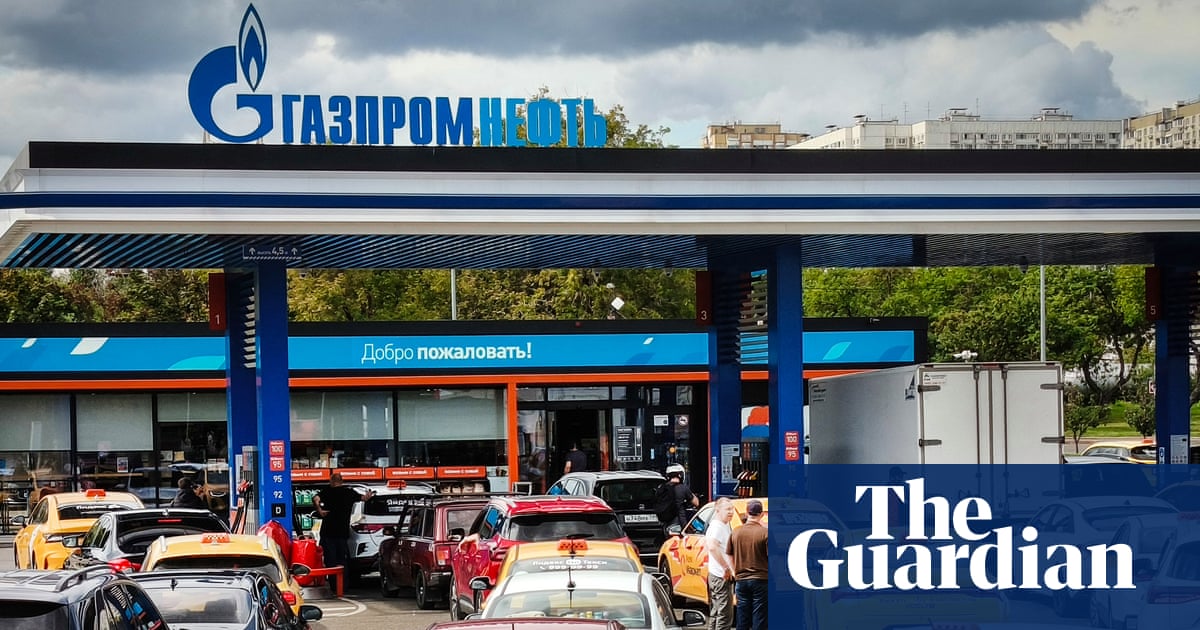
The impact of these disruptions is visible in daily life across Russia, particularly in major urban centers like Moscow. Witnesses and fuel suppliers report that purchasing limits have been reimposed at gas stations. Rosneft, the state-controlled oil giant, announced that customers are restricted to buying no more than 30 liters of petrol per visit at all its locations nationwide. These rationing measures signal acute shortages and logistical challenges in distributing available fuel. The situation represents a tangible economic cost of the war for the Russian populace, contrasting sharply with pre-invasion energy abundance.
While the energy sector faces strain, violent hostilities continue unabated on the battlefield. Early Thursday, Russian missiles struck residential areas and warehouses in Kyiv, resulting in at least five deaths. Mayor Vitali Klitschko described a heavy attack that caused the collapse of upper floors in a nine-story apartment building and trapped residents in another structure. Ukraine’s air force identified Kalibr missiles among the weapons used. The strikes underscore Moscow’s continued willingness to target civilian infrastructure despite the operational setbacks it faces in its own energy logistics.
Violence also persisted in other regions, with drone attacks causing casualties across multiple fronts. In Kherson, a Russian drone struck a minibus, killing four people, according to Ukrainian prosecutors. In central Ukraine, a Banderol drone-missile hit police headquarters in Zhytomyr, killing two officers and injuring at least 20 others. Conversely, Russian officials reported that two people were killed in the border regions of Belgorod and Bryansk when drones struck vehicles. These incidents highlight the pervasive danger faced by civilians and security personnel on both sides of the conflict line.
In a separate development related to wartime accountability, a Ukrainian national has been arrested in Croatia in connection with the 2022 bombing of the Nord Stream gas pipelines. German prosecutors identified the suspect as Vladimir Z, believed to be Volodymyr Zhuravlev, who was previously detained and released by Polish authorities. Berlin plans to seek his extradition to face trial in Karlsruhe. Prosecutors allege he was part of a group that planted explosives near Bornholm island, damaging the Nord Stream 1 and 2 pipelines. This arrest adds another layer of international legal complexity to the ongoing conflict.
Diplomatic and humanitarian efforts continue amidst the fighting. Russia and Ukraine exchanged 103 prisoners of war each on Wednesday, with Ukrainian intelligence indicating another swap is anticipated before the end of August. Meanwhile, the UN’s humanitarian chief visited Kherson, describing the situation as chilling due to targeted attacks on aid workers and civilians. Marked vehicles protected under international law were hit, raising serious concerns about compliance with humanitarian norms. These developments illustrate the multifaceted nature of the war, encompassing military, economic, legal, and human rights dimensions.
The confirmation of fuel imports serves as a critical indicator of the war’s toll on Russia’s industrial base. What was once a source of geopolitical leverage has become a vulnerability requiring external support. As Ukraine maintains pressure on Russian energy assets, Moscow faces the dual challenge of repairing infrastructure while managing domestic supply shortages. The situation remains fluid, with ongoing strikes and shifting logistics likely to define the near-term trajectory of the conflict’s economic impact.
Sources behind this briefing
Go to the original reporting
- The Guardian US↗Ukraine war briefing: Russia running on imported gasoline, government confirms

