The short version
- Russell Brand testified via prepared statements that his past promiscuous behavior was consensual and has been unfairly reinterpreted.
- The comedian blames defamatory media coverage for prompting false or exaggerated allegations against him over a ten-year period.
- Brand denies all charges, including rape and sexual assault, while acknowledging physical contact with hundreds of people during his career.
A London court heard testimony from comedian Russell Brand regarding accusations of sexual misconduct spanning more than a decade. The trial at Southwark Crown Court focused on statements Brand provided to police between late 2023 and mid-2025. In these prepared accounts, the fifty-one-year-old entertainer maintained that he has never engaged in non-consensual sexual activity. He argued that his history of frequent casual encounters has been misrepresented by recent media scrutiny.
Brand described his past lifestyle as highly promiscuous, noting that he had spent years publicly criticizing such behavior. He claimed that consensual interactions from the past were being viewed through a negative lens decades later. The comedian suggested that this shift in perception was driven by what he characterized as fictitious and defamatory reporting. He specifically referenced a documentary broadcast in September 2023, produced in conjunction with major newspapers, which he said contained false allegations.
According to Brand’s statements read to the jury, the media coverage created an environment where additional accusations were encouraged or invented. He asserted that both journalists and law enforcement publicly invited new claims, leading to encounters being reimagined or fabricated. The defense posits that the magnitude of his past promiscuity was deceptively portrayed in these attacks, causing innocent interactions to be reframed as criminal acts.
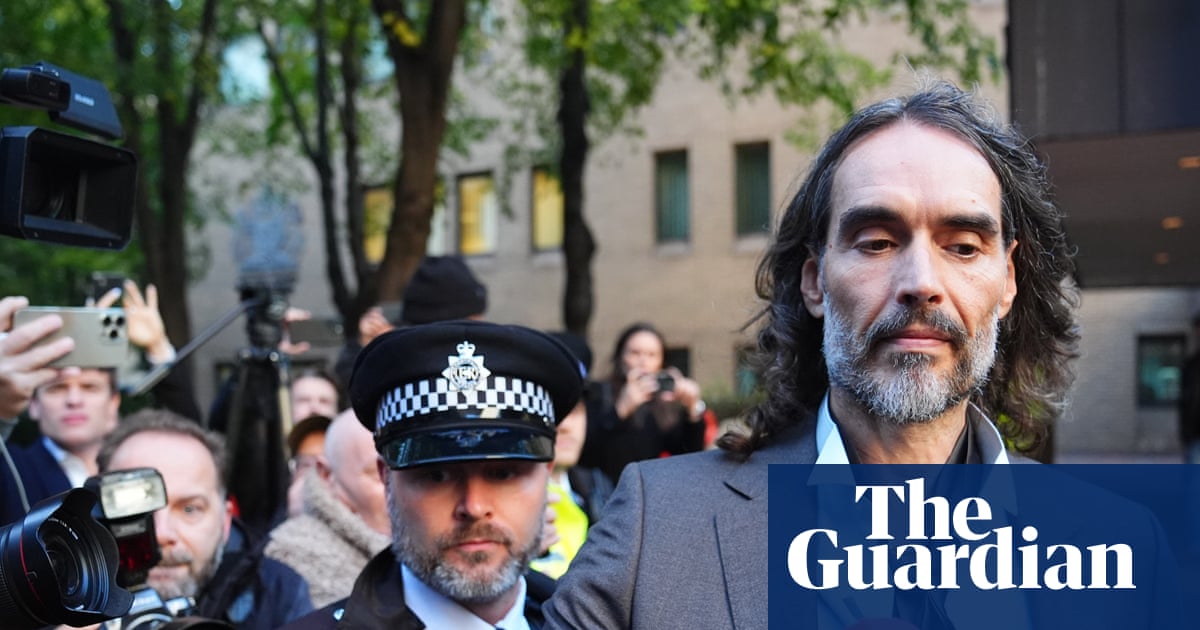
The charges against Brand include three counts of rape and three counts of sexual assault. An additional allegation of indecent assault was amended to attempted indecent assault during proceedings. Brand has pleaded not guilty to all offenses. The allegations involve six women and cover a period from 1999 onward. During the trial, he sat in the dock wearing a grey suit and pale blue shirt as his previous interviews with police were presented to the court.
Addressing specific accusations, Brand stated he did not recall meeting some of the accusers. Regarding an allegation involving an MTV worker in 2004, he said he had no memory of the encounter but insisted that any physical contact would have been consensual. He mentioned having sex in toilet cubicles during parties in the past but denied ever forcing anyone into a restroom or engaging in non-consensual oral sex.
Brand also detailed his interactions with fans and the public during his peak fame. He described his approach as friendly, warm, and accessible at live shows, press events, and book signings. He acknowledged sharing kisses with hundreds of people in public settings, noting that photos of these moments are available online. He stated he was aware that such actions could be photographed and end up in tabloids.
The comedian explained that he often made provocative jokes or comments during performances and broadcasts. He noted that he sometimes asked partners to leave shortly after casual sexual encounters concluded. Brand emphasized that his engagement with interested members of the public was non-discriminatory and loving. He argued that the context of these interactions has been lost in current narratives.
In response to police questions following each statement, Brand indicated he had nothing further to add at the time. The jury heard that he provided similar accounts across multiple interviews over nearly two years. The trial continues as the court examines whether the alleged acts were consensual or criminal. The defense rests on the assertion that media distortion has unfairly targeted his past behavior.
The case highlights the complexities of addressing historical allegations in the context of changing social norms and media influence. Brand’s legal team is challenging the credibility of the accusations by pointing to the timing and nature of the media reports that preceded them. The outcome will depend on whether the jury finds the defense’s explanation of reframed memories persuasive.
As proceedings move forward, the focus remains on establishing the facts behind each specific allegation. Brand maintains his innocence while acknowledging a lifestyle that he now denounces. The trial underscores the difficulties in adjudicating cases where consent is disputed and memories are contested after many years.
Sources behind this briefing
Go to the original reporting
- The Guardian World↗Russell Brand told police he led a ‘very promiscuous’ life, trial hears