The short version
- Marco Rubio skipped Prime Minister Narendra Modi to focus on Mumbai and Jamnagar, prioritizing business and energy discussions over high-level political dialogue.
- The visit underscores the administration’s transactional approach, aiming to secure refined petroleum exports to address domestic fuel costs ahead of midterm elections.
- Analysts warn that personal rapport with U.S. leaders offers little protection against rapid policy reversals, especially given Washington’s renewed engagement with Pakistan.
U.S. Secretary of State Marco Rubio’s recent trip to India drew significant attention not for what he did, but for whom he omitted from his schedule. Instead of traveling to New Delhi to meet with Prime Minister Narendra Modi, Rubio focused his itinerary on Mumbai and Jamnagar. This deviation from standard diplomatic protocol has been interpreted by observers as a deliberate signal regarding the current administration’s priorities. The choice to bypass the national capital suggests that traditional state-to-state engagement is being depriorized in favor of direct economic negotiations.
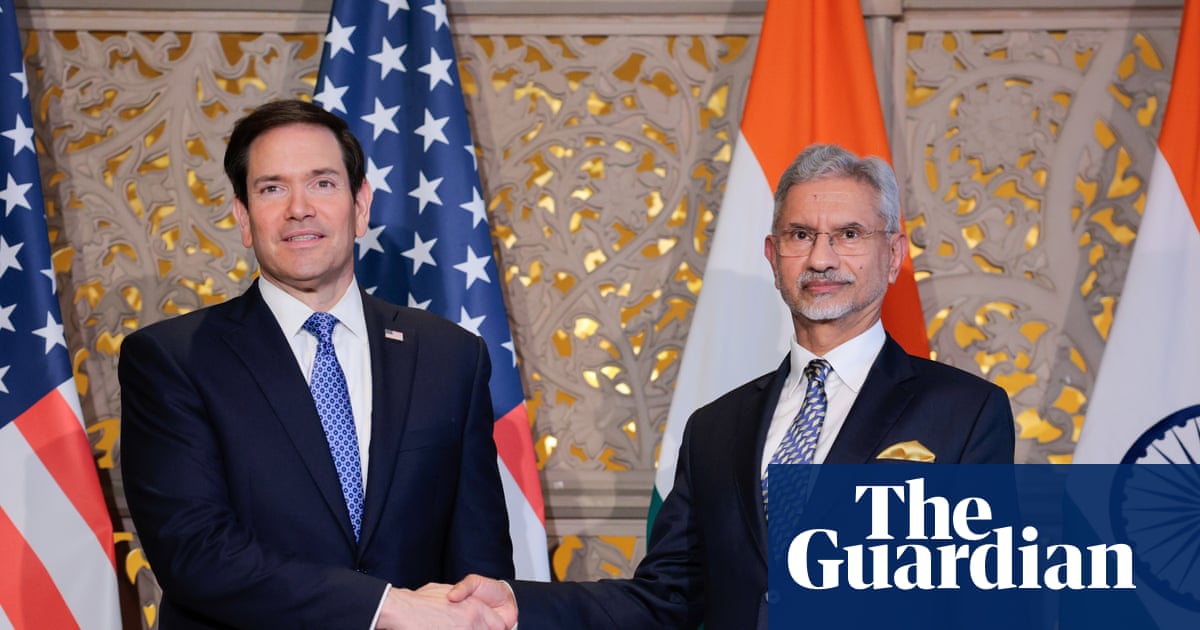
In Mumbai, Rubio met with India’s foreign minister, Subrahmanyam Jaishankar, alongside various business leaders. This setting allowed for discussions centered on commerce rather than broad geopolitical strategy. The administration appears to be leveraging these meetings to drum up specific business deals that align with President Donald Trump’s transactional view of international relations. By focusing on the financial capital, Rubio emphasized the economic dimensions of the bilateral relationship, reflecting a broader shift in how Washington approaches its alliances.
The second leg of the trip took Rubio to Jamnagar, home to Reliance Industries’ massive oil refinery complex. There, he met with Mukesh Ambani, the company’s chairman. This visit was strategically timed to address domestic political concerns within the United States. With gasoline prices remaining high and posing a potential liability in the upcoming November midterm elections, the administration is seeking visible actions to demonstrate efforts toward lowering fuel costs. India serves as both a major consumer and exporter of refined petroleum products, making it a key partner in this effort.
One specific objective of the Jamnagar meeting was to encourage Reliance Industries to process more Venezuelan crude oil. By facilitating this flow of refined products back to the U.S., the administration hopes to mitigate domestic price pressures. This approach highlights the pragmatic, deal-making nature of current foreign policy. Rather than focusing on long-term strategic partnerships or ideological alignment, the White House is pursuing immediate economic benefits that can be touted as successes in the domestic political arena.
Milan Vaishnav, director of the South Asia Program at the Carnegie Endowment for International Peace, noted that predicting outcomes in this new era of U.S. foreign policy is exceptionally difficult. He described the current administration’s approach as unbound by traditional constraints, creating a minefield for analysts and diplomats alike. The rapid pace of political change and the transactional lens through which global alliances are viewed mean that established theories about international relations may no longer apply accurately.
The strain on U.S.-India ties has been evident under the second Trump administration, particularly regarding tariffs and India’s continued purchase of Russian oil. Despite these frictions, Rubio’s return to India just five months after his previous visit indicates that New Delhi remains useful to Washington’s ambitions. However, the nature of this utility is shifting. The focus is less on strengthening a comprehensive strategic partnership and more on extracting specific economic concessions that benefit U.S. interests in the short term.
A significant complicating factor is the administration’s renewed embrace of Pakistan. Following a conflict between India and Pakistan in May 2025, President Trump took credit for ending the hostilities and subsequently welcomed Pakistani Army Chief Asim Munir to the White House. This reversal marks a stark contrast to the previous administration’s distant stance toward Islamabad. Analysts attribute this shift to a combination of Trump’s admiration for strongmen, Pakistan’s diplomatic maneuvering, and potential energy and cryptocurrency deals involving members of the president’s inner circle.
For New Delhi, these developments underscore the fragility of its relationship with Washington. Twenty-five years of investment in bilateral ties and Prime Minister Modi’s personal rapport with U.S. leaders offer no guarantee against sudden policy reversals. The administration’s focus on short-term wins and transactional deals means that alliances can pivot quickly based on immediate political or economic calculations. As such, India must navigate a landscape where traditional diplomatic assurances hold less weight than tangible, immediate benefits.
The broader implication of Rubio’s itinerary is a redefinition of what constitutes successful diplomacy under the current administration. Success is measured in signed deals and lowered consumer prices rather than strengthened institutional ties or shared democratic values. This approach creates uncertainty for partners who have relied on long-term strategic consistency. As the U.S. continues to prioritize transactional outcomes, other nations may need to adjust their expectations and strategies accordingly.
Looking ahead, the impact of this shift will depend on whether these short-term deals can sustain broader cooperation. If the administration’s focus remains strictly on immediate economic gains, deeper strategic collaboration may suffer. Conversely, if these transactions build trust and mutual benefit, they could lay the groundwork for a more resilient partnership. For now, however, the message from Washington is clear: diplomacy is business, and every interaction must yield a tangible return.
Sources behind this briefing
Go to the original reporting
- The Guardian US Politics↗What Marco Rubio’s sidestepping of New Delhi says about the US’s stance on India