The short version
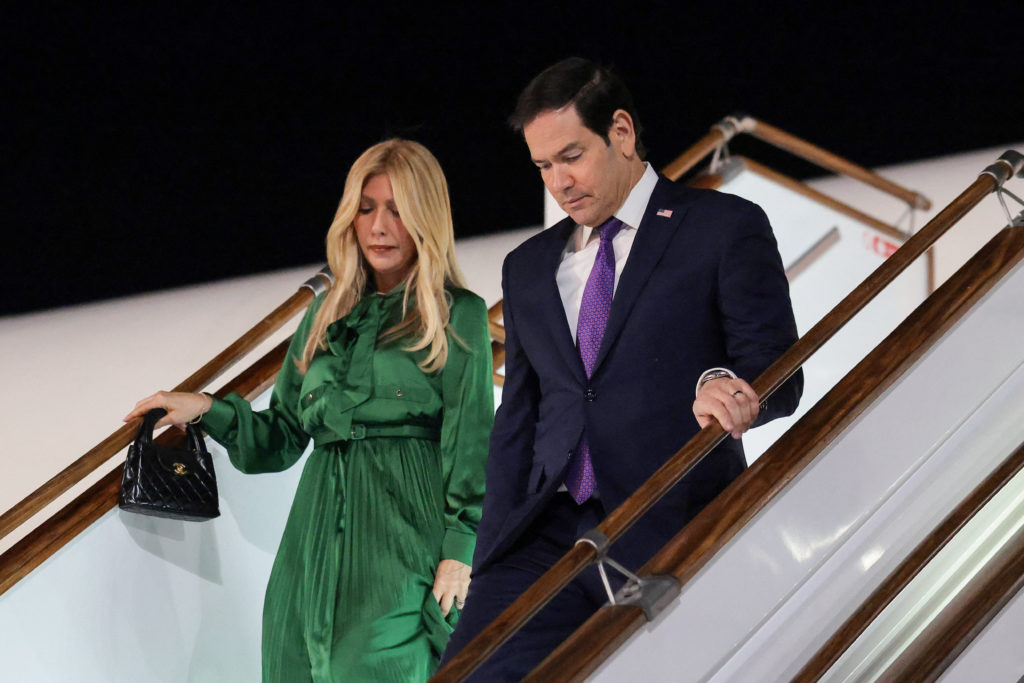
- Marco Rubio has departed for Uzbekistan and India, marking his thirty-first international trip as secretary of state.
- Critics suggest the itinerary avoids major conflicts in the Middle East and Ukraine in favor of lower-risk diplomatic engagements.
- The State Department maintains that significant strategic work occurs behind the scenes and that Rubio remains deeply involved in all key issues.
Secretary of State Marco Rubio has embarked on his thirty-first international trip since assuming office, traveling to Uzbekistan with plans to visit India afterward. This latest journey underscores a growing debate regarding the administration's diplomatic priorities. While the tour aims to strengthen economic and security partnerships in Central and South Asia, it bears little direct connection to the Trump administration's most urgent foreign policy challenges. Observers note that the itinerary sidesteps the active conflicts in the Middle East and the ongoing war between Russia and Ukraine, raising questions about whether the top diplomat is prioritizing politically safer engagements over high-stakes crisis management.
Rubio has consistently defended his approach, rejecting suggestions that he is avoiding difficult issues. Before leaving Washington, he emphasized the importance of maintaining strategic relationships with nations that do not currently face immediate crises. He argued that diplomatic efforts often suffer when officials only visit regions experiencing active problems or attend scheduled conferences. According to Rubio, building long-term ties requires dedicated time and attention, even if those visits do not generate immediate headlines or resolve pressing emergencies.
The State Department has vigorously pushed back against criticisms of Rubio's schedule. Officials stated that the secretary's primary responsibility is to help the president develop and execute a strategy that advances American interests, rather than generating public visibility for every challenge. They noted that some of the most consequential diplomatic work occurs outside the public spotlight. The department emphasized that Rubio views conflicts in Iran, Gaza, and Ukraine as part of a larger strategic picture, arguing that these issues cannot be addressed in isolation from broader national security objectives.
Despite his absence from the front lines of these crises, Rubio remains involved in behind-the-scenes discussions regarding Iran, Lebanon, Gaza, Russia-Ukraine, and China. However, he has not served as the public face for any of these negotiations. Instead, special envoys such as Steve Witkoff, Jared Kushner, and Tom Barrack have taken the lead on these specific matters. The State Department described this delegation as standard practice, asserting that Rubio has not shied away from any issue. They characterized him as a trusted adviser to the president on critical matters, noting that his role does not require constant media presence.
Rubio's diplomatic focus has largely concentrated on Latin America, particularly Venezuela and Cuba, as well as bolstering ties with conservative leaders aligned with the Trump administration. He has also worked to shore up relations with NATO allies who have expressed nervousness about the administration's intentions toward Europe, especially regarding Arctic security. His recent travel history includes visits to Iceland, Greece, Portugal, Colombia, Ecuador, and Peru. These trips reflect a pattern of engaging with regions where the administration has shown particular interest, rather than focusing exclusively on active conflict zones.
Historical precedent suggests that delegating time-consuming challenges is not unusual for secretaries of state. During Barack Obama's first term, Hillary Clinton appointed former Senator George Mitchell to handle Israeli-Palestinian negotiations and veteran diplomat Richard Holbrooke to manage the Afghanistan-Pakistan portfolio. Both Clinton and Rubio had previously sought their parties' presidential nominations and possess clear political ambitions for their post-diplomatic careers. However, Rubio has bristled at discussions regarding his political intentions, refusing to address speculation about a potential rivalry with Vice President JD Vance over who might succeed Trump in leading the movement.
The administration maintains that Rubio's schedule is driven by presidential foreign policy and national security priorities rather than a desire to focus on specific regions. Aides point out that the secretary plays a key role in interagency discussions on all national security matters and has been a major behind-the-scenes actor in most, if not all, diplomatic strategy discussions. They argue that the right question is not whether the secretary is visible enough on a particular issue, but whether he is effectively advancing American interests through both public engagements and private negotiations.
As Rubio continues his tour of Central and South Asia, the debate over the balance between visibility and substance in diplomacy is likely to persist. Critics will continue to scrutinize his absence from major conflict zones, while supporters will highlight the importance of long-term relationship building and strategic patience. The State Department's stance remains firm: Rubio's work is multifaceted, involving both public diplomacy and private counsel, with the ultimate goal of supporting the president's broader national security agenda. The effectiveness of this approach will likely be judged by the outcomes of these behind-the-scenes efforts rather than the frequency of his appearances in crisis regions.
The upcoming meetings in Uzbekistan and India are intended to promote U.S. economic and security ties in these regions. These engagements represent a significant investment in areas that have historically received less attention from American diplomats compared to Europe or the Middle East. By focusing on these partnerships, the administration aims to diversify its diplomatic portfolio and strengthen alliances beyond traditional hotspots. Whether this strategy will mitigate concerns about neglected crises remains to be seen, but it reflects a deliberate choice to prioritize long-term strategic gains over immediate crisis response visibility.
In summary, Rubio's travel itinerary highlights a complex dynamic within the Trump administration's foreign policy apparatus. While special envoys handle high-profile negotiations in conflict zones, Rubio focuses on broader relationship building and interagency coordination. This division of labor allows for specialized attention to urgent crises while maintaining strategic oversight of global partnerships. The success of this model depends on the seamless integration of public diplomacy and private counsel, ensuring that American interests are advanced both in the spotlight and behind closed doors.
Sources behind this briefing
Go to the original reporting
- PBS NewsHour↗Rubio heads to Central Asia as some wonder if he's keeping the most pressing matters at a distance