The short version
- Secretary of State Marco Rubio met with Icelandic leaders to affirm U.S. respect for the nation's sovereignty and address anxieties stemming from previous administration rhetoric.
- The visit highlighted a strategic pivot toward enhanced Arctic security cooperation, commercial ties, and defense collaboration between Washington and Reykjavik.
- Despite assurances, underlying tensions persist regarding the conduct of U.S. diplomatic personnel in Iceland and broader concerns about the Trump administration's engagement with traditional allies.
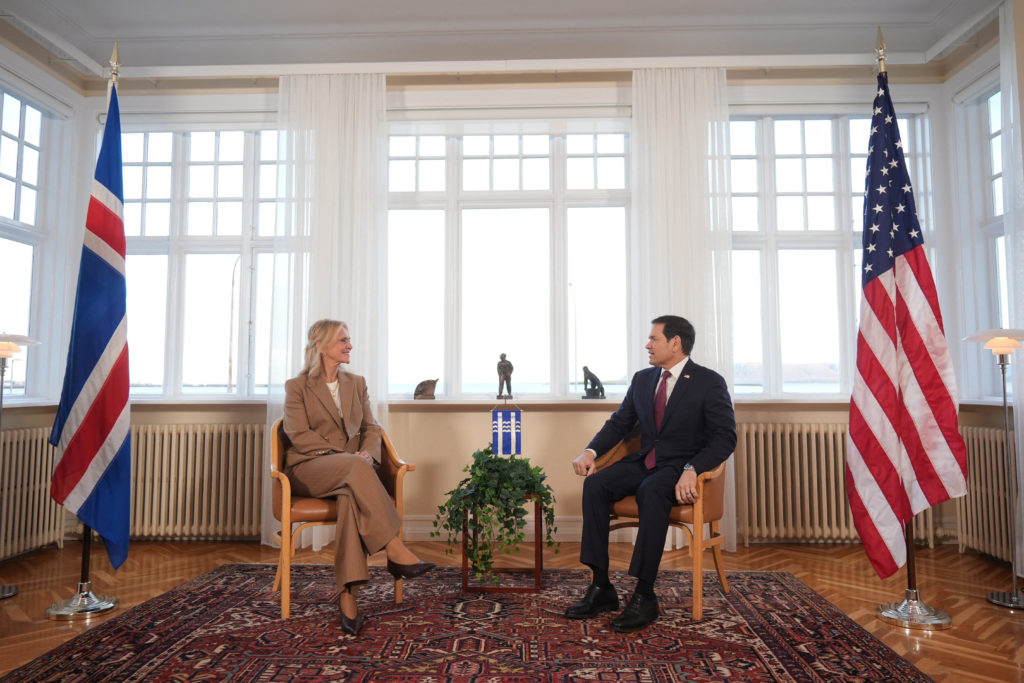
Secretary of State Marco Rubio arrived in Reykjavik on Tuesday to begin a three-nation tour of NATO allies, aiming to stabilize relations with Iceland amid growing apprehension regarding the current U.S. administration’s foreign policy style. The visit comes at a time when traditional partners have expressed unease over what they perceive as a brusque and occasionally dismissive approach from Washington. Rubio sought to reassure Icelandic officials that the United States shares their deep concerns about security in the Arctic region, particularly as tensions with Russia escalate in the high north and other global theaters.
The diplomatic engagement took place at Hofdi House, a location steeped in historical significance as the site of the 1986 summit between President Ronald Reagan and Soviet leader Mikhail Gorbachev. That meeting is widely credited with initiating the end of the Cold War. Rubio emphasized the symbolic weight of the venue, noting its association with diplomacy’s role in resolving major geopolitical conflicts. He framed the current moment as an opportunity to deepen ties rather than revisit past hostilities, aligning his message with the anniversary of that landmark summit.
During meetings with Foreign Secretary Thorgerdur Katrín Gunnarsdóttir and Prime Minister Kristrún Frostadóttir, Rubio explicitly stated that the United States would not undertake any actions in Iceland without the host nation’s consent. This assurance was intended to alleviate fears sparked by earlier incidents, including a widely circulated map depicting the U.S. flag extending over North America, Greenland, and Iceland. Although an agreement regarding increased U.S. presence in Greenland has been reached, Icelanders remained wary of potential overreach or territorial ambitions.
Both Rubio and Gunnarsdóttir downplayed existing differences, focusing instead on future cooperation. They agreed to expand military and commercial connections, with Rubio noting that shifting global priorities have renewed the importance of the region. The United States maintained a permanent military presence in Iceland until 2006, when strategic adjustments led to the closure of the Keflavik base. Rubio indicated that current geopolitical realities necessitate a reevaluation of defense cooperation, though he stressed that any new arrangements would be collaborative.
The atmosphere in Reykjavik has been complicated by recent diplomatic controversies involving U.S. representatives. Ambassador Billy Long, a former congressman and IRS commissioner, faced significant backlash before assuming his post after suggesting Iceland might become the 52nd state. Thousands of Icelanders signed a petition urging the government to reject his appointment, though he later apologized for the remark. Additionally, Gunnarsdóttir summoned Long to discuss a social media post that she deemed unacceptable, highlighting the sensitivity surrounding U.S. diplomatic conduct in the country.
These incidents have contributed to a broader sense of unease among Icelandic officials and citizens. The administration’s previous confusion between Iceland and Greenland during public statements further eroded trust. While Rubio stated he was not in Iceland to discuss social media posts or past missteps, the underlying tension remains palpable. Gunnarsdóttir indicated that the immediate issues had been largely resolved, but the need for consistent and respectful engagement is evident.
The diplomatic challenges extend beyond Iceland. As Rubio prepares to travel to Athens, he may face similar scrutiny regarding the conduct of U.S. ambassadors in other NATO countries. Allegations of misconduct involving the ambassador to Greece have prompted calls for investigation from members of Congress. These parallel controversies underscore a pattern of friction between the Trump administration’s diplomatic appointments and host nations, raising questions about the long-term stability of these alliances.
Despite the recent reassurances, the path forward requires careful navigation. Iceland, which lacks a standing army but remains a committed NATO member, values its sovereignty and independence. The U.S. must balance its strategic interests in the Arctic with respect for local sensitivities. Rubio’s emphasis on shared priorities, including energy ties and defense cooperation, offers a framework for rebuilding trust. However, the success of this effort will depend on sustained diplomatic engagement and a departure from the rhetoric that has caused recent alarm.
The visit serves as a test case for how the administration manages relationships with traditional allies in an era of heightened geopolitical competition. While Rubio’s message was one of partnership and mutual respect, the shadow of previous incidents lingers. The coming weeks will reveal whether these assurances translate into concrete actions that strengthen the alliance or if deeper structural issues within U.S. foreign policy implementation continue to strain ties.
As tensions in the Arctic rise, the need for clear communication and cooperative security arrangements becomes more urgent. Iceland’s strategic location makes it a key player in regional stability. The U.S. commitment to working with Icelandic consent is a positive step, but it must be reinforced by consistent behavior from all levels of the diplomatic corps. The outcome of Rubio’s tour will likely influence how other NATO allies perceive the reliability and respectfulness of American leadership.
Sources behind this briefing
Go to the original reporting
- PBS NewsHour↗Cold War memories stir Rubio in Iceland as he champions diplomacy and downplays differences

