The short version
- Secretary of State Marco Rubio refused to comment on allegations that Ambassador Kimberly Guilfoyle solicited a donor to pay her personal bills.
- Democratic leaders in Congress have formally requested an inquiry into Guilfoyle’s conduct, citing risks to US diplomatic credibility and potential conflicts of interest.
- Guilfoyle’s legal team disputes the authenticity of messages cited in reports, while the donor involved denies owing any money.
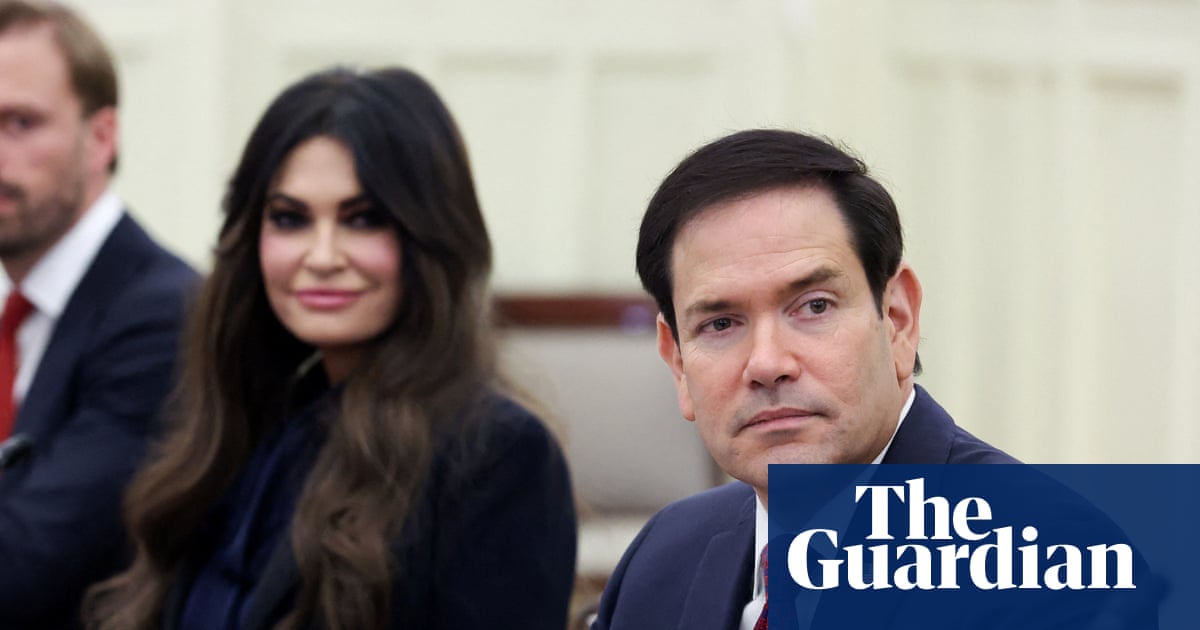
Secretary of State Marco Rubio has declined to engage with growing scrutiny surrounding Kimberly Guilfoyle, the US ambassador to Greece, following new allegations that she leveraged her diplomatic position for personal financial gain. During a visit to Athens on Wednesday, Rubio faced questions from reporters regarding reports that Guilfoyle asked a prominent Trump donor to settle a substantial American Express balance in return for access to the administration. Rather than addressing the specific claims, Rubio dismissed the reporting as unverified gossip, asserting that media accounts based on anonymous sources should not be treated as established fact.
The controversy centers on communications between Guilfoyle and Eric Deters, a donor to the Trump campaign. According to documents shared with the Wall Street Journal, Guilfoyle allegedly urged Deters to pay her $100,000 credit card bill, promising him enduring loyalty and access to the Trump inner circle if he complied. Deters stated that he did not make the payment and maintains that he owes Guilfoyle no money. The messages reportedly include pleas for immediate assistance, highlighting the urgency with which Guilfoyle approached the donor regarding her personal financial obligations.
Legal representatives for Guilfoyle have contested the validity of these allegations. Her attorney told the Wall Street Journal that Guilfoyle was owed a balance for travel and speaking engagements that occurred prior to her nomination as ambassador. Furthermore, the lawyer disputed the authenticity of the text messages presented by Deters, suggesting they do not accurately reflect the nature of their interactions or any financial agreements between them.
These accusations mark the second wave of criticism directed at Guilfoyle’s tenure in Athens. In September, reports emerged indicating that she had invited Greek lobbyists to attend official diplomatic meetings and appeared to promote the business interests of a specific Greek construction and energy firm. Those earlier concerns raised questions about whether her actions blurred the line between public duty and private advocacy, potentially compromising the neutrality expected of US diplomatic representatives.
Democratic leadership in Congress has moved swiftly to demand accountability. Senator Jeanne Shaheen, the ranking Democrat on the Senate Foreign Relations Committee, sent a letter to Rubio requesting an immediate review of Guilfoyle’s actions. Shaheen argued that such behavior undermines US credibility abroad and risks creating the appearance of undue influence or conflict of interest. She emphasized the need for clarity regarding what steps have been taken to prevent similar incidents in the future.
Gregory Meeks, the ranking Democrat on the House Foreign Affairs Committee, issued a similar request in September, seeking detailed information about Guilfoyle’s relationship with the Greek company and the lobbyists involved. Meeks stated that if the reports are accurate, Guilfoyle is unfit to represent the United States and should be removed from her post. It remains unclear whether Meeks or Shaheen will expand their inquiries to include the latest allegations regarding the solicitation of funds from Deters.
Guilfoyle’s appointment has been closely watched given her history as a member of the Trump family’s inner circle. She was engaged to Donald Trump Jr. for approximately three years before ending the relationship in 2024. Shortly after taking office, President Trump nominated her for the ambassadorship, a move that drew attention due to her close personal ties to the administration. Her background as a political ally rather than a career diplomat has intensified scrutiny of her conduct in Athens.
Rubio’s refusal to answer questions about Guilfoyle’s conduct suggests a defensive posture within the administration regarding these allegations. By praising the embassy’s work and describing Guilfoyle as a strong ambassador, Rubio attempted to deflect criticism without directly denying or confirming the specific claims. However, the lack of a formal investigation or public rebuttal has left Democratic lawmakers pressing for transparency.
The situation highlights broader tensions within the administration over the intersection of political loyalty and diplomatic protocol. As questions mount about whether Guilfoyle’s actions serve US interests or personal agendas, the State Department faces pressure to demonstrate that it can uphold standards of integrity abroad. The outcome of any potential review could set a precedent for how future appointments are vetted and monitored.
For now, the focus remains on whether Rubio will authorize an internal inquiry into Guilfoyle’s conduct. Without such a step, critics argue that the administration risks appearing indifferent to ethical breaches within its diplomatic corps. The coming weeks may reveal whether these allegations lead to formal disciplinary action or if they will be dismissed as partisan attacks, depending largely on the administration’s willingness to engage with the substance of the complaints.
Sources behind this briefing
Go to the original reporting
- The Guardian US↗Marco Rubio brushes off questions about Kimberly Guilfoyle pressing donor to pay credit card