The short version
- The Royal Navy spent twenty-one days in July tracking Russian vessels, marking a twenty-five percent rise in monitoring efforts compared to the previous year.
- British forces are increasingly focused on shadowing warships that escort so-called shadow fleet tankers, which help Russia evade international sanctions on oil exports.
- This activity follows the first direct boarding of a shadow fleet vessel by Royal Marines and reflects a broader trend of increased Russian naval presence in European waters.
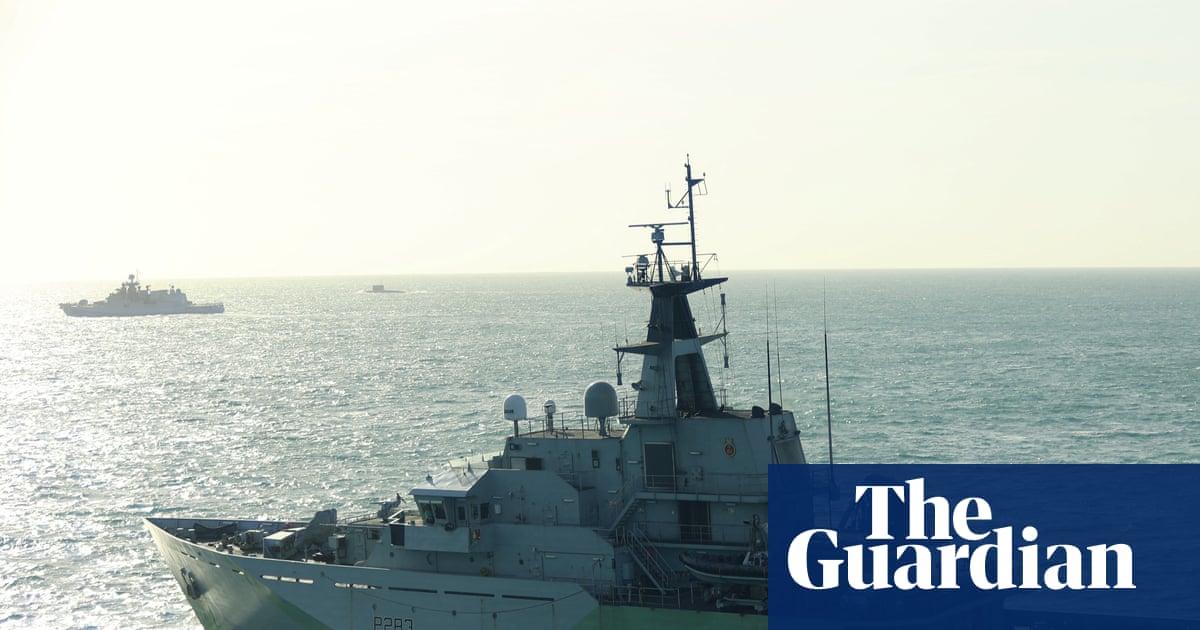
The Royal Navy has reported a significant escalation in its efforts to monitor Russian military vessels operating near British territory. In July alone, naval assets were deployed for twenty-one days to track Moscow’s ships, representing a twenty-five percent increase in monitoring time compared to the same period last year. This surge in activity highlights the growing strategic focus on the Dover Strait and the North Sea, where Russian warships have made repeated voyages. The increase underscores a persistent challenge for UK defense planners, who must allocate substantial resources to maintain situational awareness in these critical maritime corridors.
The vessels under surveillance include specific Russian frigates, notably the Neustrashimy and the Admiral Grigorovich. These ships are not conducting routine patrols but are instead tasked with escorting tankers associated with Russia’s shadow fleet. This network of aging vessels is widely believed to be used by the Kremlin to circumvent international sanctions on its oil industry. By protecting these cargo ships, Russian naval forces are effectively shielding revenue streams that fund ongoing military operations in Ukraine. The Royal Navy’s presence serves as a deterrent and a means of gathering intelligence on how Moscow is adapting its logistics under pressure.
British naval assets involved in these operations include offshore patrol vessels such as HMS Tyne, HMS Mersey, and HMS Severn. These ships were supported by air assets from 815 Naval Air Squadron, including Wildcat helicopters and Merlin submarine-hunting aircraft. The integration of air and sea capabilities allows for continuous tracking even when visual contact is lost. In one instance, HMS Tyne monitored the Neustrashimy during a live-firing exercise conducted outside both British and French waters in late July. Such exercises demonstrate Russia’s willingness to conduct aggressive maneuvers in proximity to NATO member states, testing defensive responses.
This recent spike in activity builds upon a longer trend of increased Russian naval presence around the UK. According to the Ministry of Defence’s annual report covering the year to March 2026, Royal Navy vessels were activated one hundred and sixteen times to shadow sixty-one Russian warships and twenty-eight merchant vessels. This figure reflects a thirty percent increase in Russian naval activity over the preceding two years. The scope of these operations has expanded beyond simple tracking to include deterrence missions, such as those targeting the spy ship Yantar, which was previously spotted near undersea communications cables off the coast of Scotland.
The strategic context for this increased monitoring includes a notable operational milestone achieved earlier in the year. In June, Royal Marines boarded the tanker Smyrtos, marking the first time British troops directly intervened with a vessel linked to the shadow fleet. This action signaled a more assertive approach by UK authorities in enforcing sanctions and disrupting illicit trade networks. The Ministry of Defence has noted that diverting warships to protect commercial cargo consumes valuable operational capacity for the Russian Navy, potentially limiting its ability to project power elsewhere.
Beyond the immediate vicinity of the UK, British naval forces are engaged in broader NATO operations. The frigate HMS Somerset is currently part of a four-month deployment in the North Atlantic focused on anti-submarine warfare. Commanding Officer Commander Matt Millyard emphasized that this mission demonstrates the Royal Navy’s role in protecting both national interests and allied security. The deployment involves coordination with Fleet Air Arm helicopters, illustrating the integrated nature of modern naval operations. These efforts are part of a larger framework designed to counter emerging threats across multiple domains.
The economic impact of these maritime pressures remains a subject of analysis. While Russia has utilized its shadow fleet to mitigate some effects of sanctions, data indicates that oil and gas revenues fell by twenty-four percent year-on-year in 2025. The UK has imposed sanctions on more than five hundred vessels involved in this illicit trade, aiming to choke off financial support for the war effort. However, the continued presence of Russian escorts suggests that Moscow remains committed to maintaining these supply lines despite the risks and costs associated with naval protection.
Looking ahead, the Royal Navy is likely to maintain or increase its monitoring efforts given the current trajectory of Russian activity. The combination of direct confrontations, such as the boarding of the Smyrtos, and sustained surveillance operations indicates a long-term strategy rather than a temporary response. As NATO continues to strengthen its northern flank, the role of British naval forces in tracking and deterring Russian movements will remain central to regional security. The coming months will reveal whether these measures significantly disrupt Russia’s ability to leverage its maritime assets for economic gain.
Sources behind this briefing
Go to the original reporting
- The Guardian World↗Navy says it is spending 25% more time monitoring Russian vessels around UK waters

