The short version
- Royal Navy vessels tracked four Russian ships for three days last week, marking an escalation in surveillance activities within UK territorial waters.
- Naval leadership states that these operations force Moscow to divert military resources, thereby imposing logistical costs and delays on sanctioned cargo movements.
- The increased activity follows a June boarding of a Russian tanker and coincides with heightened diplomatic tensions after the Prime Minister’s visit to Kyiv.
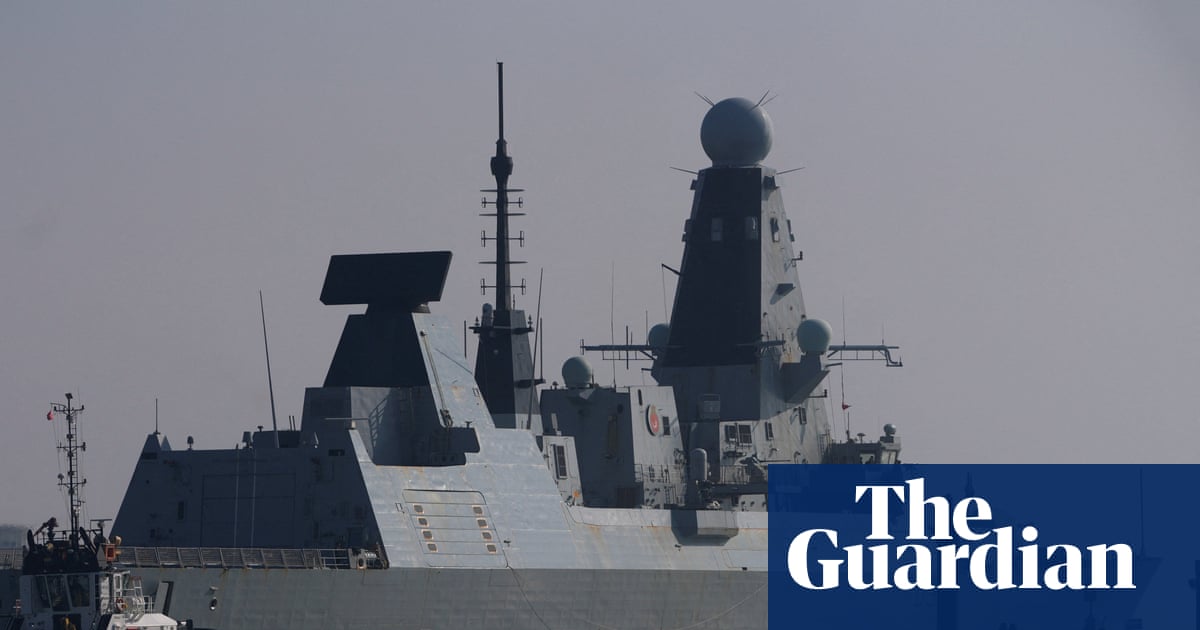
The Royal Navy conducted a sustained seventy-two-hour surveillance operation last week, deploying three warships and a helicopter to monitor Russian vessels navigating through the North Sea and into the English Channel. This intense tracking effort involved HMS Duncan, HMS St Albans, and HMS Severn, which used radar systems to shadow four specific ships. A Merlin helicopter provided aerial support during the mission, ensuring continuous observation of the fleet as it moved southward toward Dover.
The primary targets of this operation included the Russian destroyer Admiral Levchenko, which was observed escorting two cargo vessels, the General Skobelev and the Sparta. Both cargo ships are subject to international sanctions imposed by the United Kingdom. In response to the British naval presence, Moscow deployed its own military assets, including the Neustrashimy frigate, to protect the shipment. This reciprocal deployment underscores the escalating nature of maritime confrontations in these waters.
General Sir Gwyn Jenkins, the First Sea Lord and Chief of Naval Staff, emphasized that such operations are designed to disrupt Russian logistics. He stated that these actions force Moscow to divert warships from their primary strategic objectives, thereby imposing significant costs and delays on their journeys. Jenkins noted that since this successful operation, there has been evidence of shadow fleet vessels altering their routes to avoid detection, suggesting a tangible impact on Russian operational planning.
This recent event is part of a broader trend of increased naval activity by the UK. Data indicates that Royal Navy monitoring of Russian movements has risen by twenty-five percent so far this year compared to 2025 levels. In July alone, the navy spent twenty-one days tracking ships from Moscow, reflecting a persistent focus on the Dover Strait and the North Sea. Officials have repeatedly observed warships in these areas, signaling a long-term commitment to maintaining maritime security.
The current operations follow a significant precedent set in June, when Royal Marine Commandos boarded the Russian tanker Smyrtos in the English Channel. This was the first time British troops directly intercepted a vessel identified as part of Russia’s shadow fleet. The six-hour operation involved Marines and National Crime Agency officers, supported by the Royal Air Force, resulting in the arrest of an Indian national on suspicion of sanctions violations. The UK has sanctioned more than five hundred vessels linked to this illicit network.
The geopolitical context for these naval maneuvers is increasingly tense. Russian officials have issued threats against the United Kingdom following Prime Minister Andy Burnham’s recent visit to Kyiv, his first overseas trip in office. During the visit, Burnham confirmed continued military support for Ukraine, including the provision of blueprints for components of long-range Scalp missiles. The Kremlin has accused Western allies of playing with fire, raising concerns about potential retaliatory actions.
Former Russian Foreign Minister Andrei Fedorov recently suggested that semi-military action against Britain could not be entirely ruled out. He hinted at the possibility of attacks on British drone factories by unknown sources, adding a layer of uncertainty to the security landscape. While Western officials have attempted to downplay the risk of direct conflict between Russia and NATO, the rhetoric from Moscow remains aggressive.
Economic factors also play a role in this ongoing confrontation. Analysis by the Oxford Institute for Energy Studies shows that oil and gas revenue accounted for just twenty-three percent of the Russian budget in 2025, the lowest share in two decades. However, this decline was offset by increases in value-added tax and corporate profits tax. Additionally, recent rises in oil prices following conflicts in Iran have provided some financial relief to Moscow, even as the broader economy slows.
As the situation evolves, NATO allies remain engaged in monitoring activities. Following the Royal Navy’s operation, an unnamed NATO ally took over surveillance duties off the coast of France. This coordinated approach highlights the collective effort to counter Russian maritime strategies. The UK continues to assert that there is no room for complacency, as shadow fleet vessels pose an unacceptable risk to national security.
Looking ahead, the Royal Navy has signaled its readiness to act again if necessary. The combination of direct naval engagement, diplomatic pressure, and economic sanctions forms a multi-faceted strategy aimed at curbing Russian capabilities. While the immediate threat of large-scale conflict remains low, the frequency and intensity of these maritime encounters suggest a prolonged period of heightened vigilance in UK waters.
Sources behind this briefing
Go to the original reporting
- The Guardian World↗Royal Navy spent three days tracking Russian vessels in UK waters
- BBC News↗Royal Navy warships track Russian vessels for three days in UK waters

