The short version
- Romania has ceased operations at its last active nuclear reactor due to critically low Danube water levels required for cooling systems.
- The shutdown forces Romania into an energy emergency state while leaving Moldova, which relies heavily on Romanian imports, facing potential blackouts.
- Hungary is deploying submerged barriers to protect its own Danube-cooled nuclear facility from similar drought-induced failures.
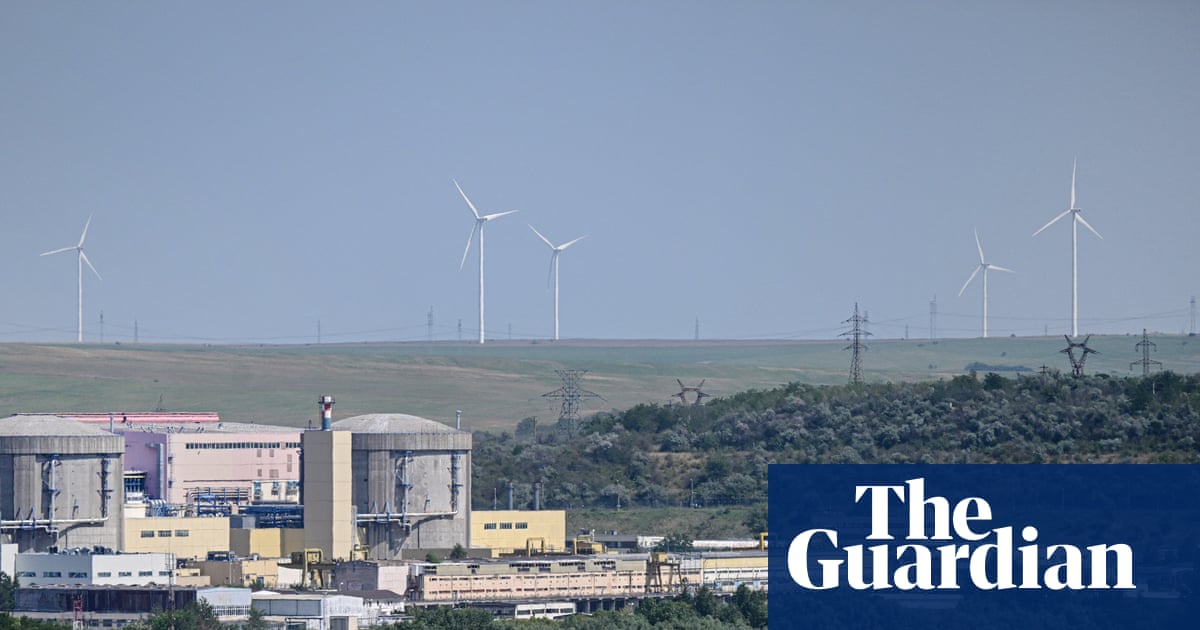
Romania has initiated a complete shutdown of its sole operational nuclear power facility, marking a significant escalation in the continent’s ongoing energy instability. The decision by Nuclearelectrica to halt the second reactor at the Cernavoda plant follows an earlier closure of the first unit in late July. Both reactors, each capable of generating 706 megawatts, collectively provide approximately one-fifth of the nation’s electricity. Operators cited a persistent and severe decline in the Danube River’s water levels as the primary driver for this move, noting that current conditions do not support safe cooling operations. The company indicated that a restart is unlikely within the next ten days, leaving a substantial gap in national power generation capacity.
The immediate consequence of this shutdown is a declared state of energy emergency across Romania for the month of August. Authorities have urged both industrial consumers and households to curtail electricity usage during peak demand periods. To mitigate the shortfall, the energy ministry has activated a 330-megawatt lignite-fired power plant and is maximizing output from wind farms and hydroelectric facilities where reservoir levels permit. Despite these efforts, officials have warned that large-scale industrial users may face mandatory restrictions during evening hours if conditions do not improve. Earlier in August, automotive manufacturers Dacia and Ford were instructed to suspend production until mid-August to alleviate strain on the grid.
The impact extends beyond Romania’s borders, creating acute vulnerabilities for Moldova. The eastern neighbor relies on Romanian electricity imports to cover up to sixty percent of its domestic supply deficits. With these imports now unavailable, Moldovan authorities face difficult choices regarding alternative power sources. Options include purchasing electricity from Ukraine, assuming Kyiv has surplus capacity, or buying more expensive power from Western European markets. Another possibility is the implementation of rolling blackouts. Energy experts in Moldova have expressed concern about a deteriorating situation, acknowledging that while precise outcomes remain uncertain, the risk of widespread outages has increased significantly.
This event underscores a broader crisis affecting nuclear infrastructure across Europe, where drought and extreme heat are compromising cooling systems essential for reactor safety. France, which generates roughly seventy percent of its electricity from nuclear sources, is experiencing a record deficit in atomic production capacity. Data indicates that more than twenty percent of French nuclear output is currently offline due to a combination of drought-related issues, high temperatures, and biological factors such as jellyfish invasions blocking cooling intakes. Thirteen of the fifty-seven reactors in the EDF fleet have been affected, highlighting the systemic vulnerability of water-dependent energy technologies in a warming climate.
In Hungary, officials are taking proactive measures to prevent a similar total shutdown at the Paks nuclear plant, which also relies on the Danube for cooling. While Paks has already reduced operations since late July, it has not been forced into a complete cessation like Cernavoda. The Hungarian government has ordered the construction of a submerged weir to help manage water flow near the facility. Additionally, two large barges are being positioned at the site with the intention of sinking them to artificially raise local water levels. These engineering interventions reflect the desperation and innovation required to maintain critical infrastructure as river flows continue to diminish.
The Danube River, Europe’s second-longest waterway, has seen flow rates drop to their lowest recorded levels for July in thirty-four years across nearly two-thirds of its length. This analysis comes from the Copernicus European climate change observatory. The low water levels are not only threatening energy security but also severely disrupting commercial shipping along the river’s 2,850-kilometer route from Germany to the Black Sea. The convergence of logistical and energy challenges illustrates the multifaceted economic damage caused by hydrological extremes.
Scientists from the World Weather Attribution group have linked the severity of the European drought to human-induced climate change, warning that such events are likely to become more frequent and intense. As summer heatwaves persist, the pressure on energy grids will remain high. The shutdown in Romania serves as a stark indicator of how climate-driven environmental changes can rapidly destabilize national power systems. The coming weeks will test the resilience of regional energy markets and the effectiveness of emergency response strategies implemented by governments across the continent.
Looking ahead, the uncertainty surrounding river levels means that other nuclear facilities dependent on the Danube remain at risk. While Hungary’s preventive measures may buy time, they do not guarantee long-term stability if precipitation does not increase. For Romania and Moldova, the immediate priority is managing load shedding and securing alternative power supplies without incurring prohibitive costs. The situation highlights the urgent need for diversified energy portfolios that are less susceptible to hydrological variability, a challenge that policymakers across Europe must address as climate impacts accelerate.
Sources behind this briefing
Go to the original reporting
- The Guardian US↗Romania shuts its last nuclear reactor as drought-hit Danube river drops to record low

