The short version
- Olivia Rodrigo’s benefit concert raised $20 million for ten nonprofit organizations focused on women's well-being, including Planned Parenthood and the National Women's Law Center.
- Philanthropist Melinda French Gates contributed an additional $10 million through her Pivotal Ventures during a surprise appearance at the event.
- The festival aimed to bridge generational gaps in philanthropy while addressing current political efforts to restrict reproductive health grants and services.
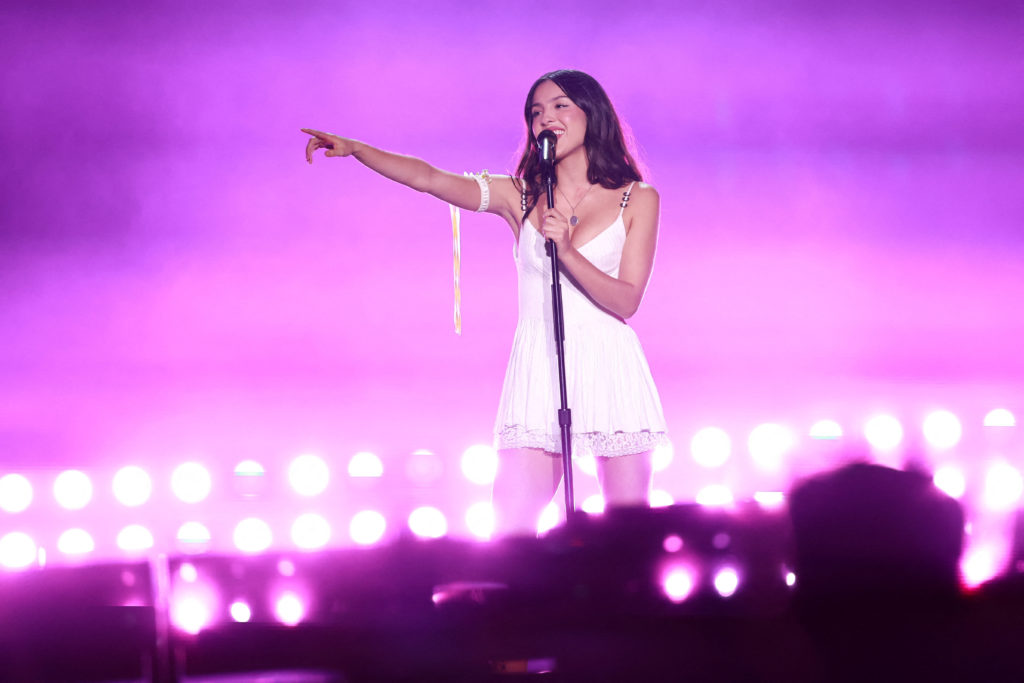
A major benefit concert organized by singer Olivia Rodrigo has successfully raised $20 million for organizations dedicated to women’s health, legal rights, and workplace protections. The event, titled Daisy Chain Fields, took place in Irvine, California, featuring a lineup that included queer pop artist Chappell Roan, rapper Doechii, and punk pioneers Bikini Kill. The financial goal was met before the festival even began, with Rodrigo announcing that sufficient funds had been collected to distribute $10 million among ten nonprofit partners.
The initiative sought to mobilize a younger demographic of donors who often prefer informal methods of giving over traditional charitable structures. By combining music with activism, the festival aimed to create a sense of community and shared purpose among attendees. Participants engaged with various booths in a designated philanthropy village, where they learned about the specific services provided by beneficiary organizations such as Planned Parenthood and the Black Mamas Matter Alliance.
Melinda French Gates made an unexpected appearance at the start of Rodrigo’s performance, pledging another $10 million through her organization, Pivotal Ventures. She praised the singer for demonstrating to a new generation the importance of their voices in social issues. This additional contribution underscores the significant financial impact of high-profile cultural events when aligned with specific advocacy goals.
Rodrigo cited the name Daisy Chain as symbolic of individual elements combining to form something resilient and unbreakable. She expressed hope that the collaboration between artists and activists could counteract what she described as a regression in women’s rights. The festival drew inspiration from Lilith Fair, an all-women music tour from the late 1990s that also raised substantial funds for charity.
The timing of the event coincides with ongoing political debates regarding reproductive healthcare. Federal officials have recently paused millions of dollars in grants used by clinics to provide birth control and treat sexually transmitted infections. Although some funds were later restored, the uncertainty surrounding these resources highlights the continued need for private support for reproductive health services.
Attendees noted that the integration of music and activism felt authentic rather than performative. One participant emphasized that people are more likely to mobilize when they feel a genuine connection to the group leading the effort. The festival provided opportunities for fans to learn about beneficiaries’ work beyond simply donating money, fostering deeper engagement with the causes.
An art installation by the Guerilla Girls invited visitors to write their grievances on chalkboards, resulting in messages demanding protection for queer youth, fair pay for women, and abortion rights. These expressions reflected the broader concerns of the audience regarding gender justice and social equity. The event served as a platform for voicing dissent against policies perceived as restrictive.
Nonprofit representatives highlighted the value of reaching audiences through cultural events like concerts. They noted that such platforms help normalize discussions around reproductive health and reduce stigma associated with these topics. As abortion clinics face closures in certain states, the role of arts-based outreach becomes increasingly critical for maintaining public awareness and support.
The success of Daisy Chain Fields demonstrates the potential for celebrity-led initiatives to drive significant financial contributions toward social causes. By leveraging her platform, Rodrigo was able to connect with fans who might not otherwise engage with traditional nonprofit fundraising efforts. This model offers a template for future collaborations between artists and advocacy groups.
Looking ahead, the funds raised will support ongoing programs aimed at improving women’s well-being across various sectors. The festival’s impact extends beyond immediate financial gains, potentially inspiring long-term engagement from younger donors. As political landscapes continue to shift, such events may play a crucial role in sustaining momentum for gender justice initiatives.
Sources behind this briefing
Go to the original reporting
- PBS NewsHour↗Olivia Rodrigo's festival unites women and girls behind nonprofits promoting their well-being

