The short version
- Robin Morgan, a central figure in the second-wave feminist movement, has died at age 85, confirmed by the Women’s Media Center she co-founded.
- Morgan was known for editing seminal anthologies like Sisterhood Is Powerful, coining the term herstory, and participating in historic protests such as the 1968 Miss America demonstration.
- Her career spanned from child stardom in the mid-20th century to decades of activism, writing, and media advocacy, including a long tenure at Ms. magazine.
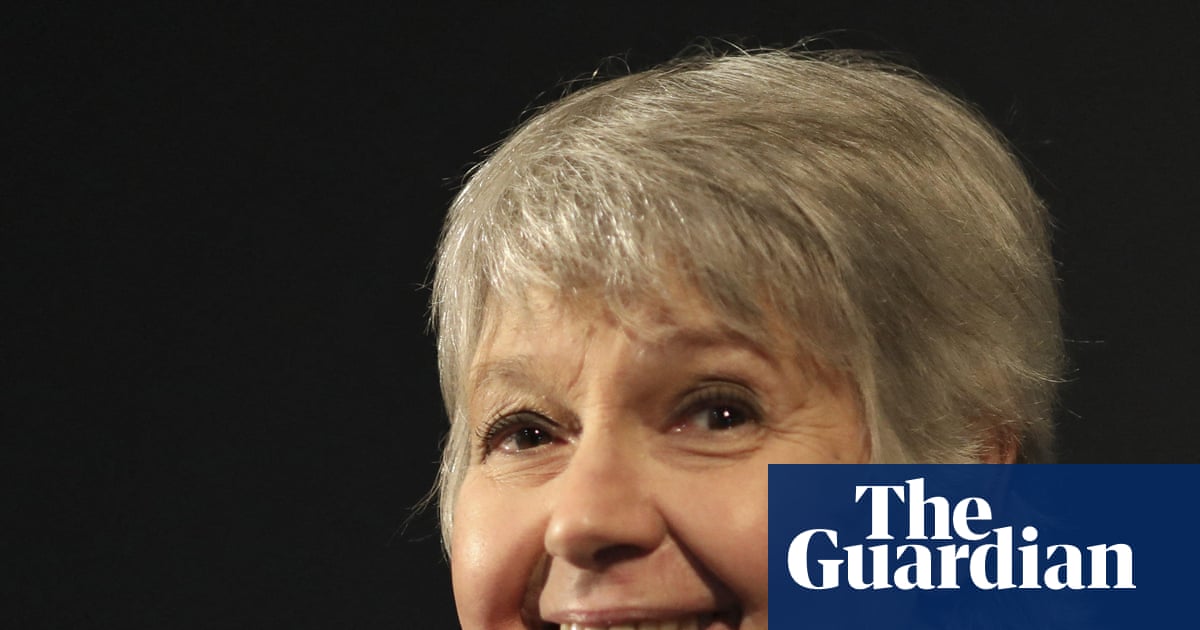
Robin Morgan, a defining voice of second-wave feminism who transitioned from a celebrated child actor to a radical poet, editor, and activist, has died. She was 85 years old. Her passing was confirmed on Saturday by the Women’s Media Center, an organization she established alongside Jane Fonda and Gloria Steinem. The statement did not disclose the specific location, date, or cause of death, focusing instead on honoring her contributions to social justice.
Morgan’s influence extended across multiple decades, shaping how women viewed their roles in society during the turbulent 1960s and 1970s. She was instrumental in organizing some of the era’s most iconic feminist actions, including the 1968 protest against the Miss America pageant. During that event, she joined other activists in symbolically discarding undergarments into a freedom trash can, a gesture that became mythologized as bra-burning and signaled a break from traditional feminine expectations.
As an editor and writer, Morgan produced works that remain foundational to feminist literature. Her 1970 anthology, Sisterhood Is Powerful, is widely regarded as an essential text of the modern women’s movement. She later expanded this work with Sisterhood Is Global in 1984 and Sisterhood Is Forever in 2002, featuring contributions from prominent figures such as Simone de Beauvoir and Eve Ensler. Morgan also served as editor-in-chief of Ms. magazine for several years, further amplifying feminist discourse in mainstream media.
Her literary output included poetry that captured the urgency and emotion of the liberation movement. The poem Monster, with its passionate call for revolution, was frequently quoted at rallies. Another notable work, Arraignment, addressed the death of poet Sylvia Plath and criticized her husband, Ted Hughes, a stance that resonated deeply within activist circles. Morgan is also credited with coining the term herstory to reframe historical narratives from a female perspective and popularizing the clenched fist symbol combined with the female gender sign.
Morgan’s activism often brought her into conflict with established institutions. In 1970, she was arrested and jailed after participating in an occupation of Grove Press offices, protesting the publisher’s resistance to employee unionization efforts. She faced scrutiny from both left and right political factions, once being labeled an anarchist housewife in a government report. Her essay Goodbye to All That criticized various cultural figures, including Abbie Hoffman and Hugh Hefner, for their roles in perpetuating patriarchal norms.
Before her rise as a radical figure, Morgan was a well-known child star in the 1940s and 1950s. Born in Florida and raised in New York, she appeared in films and commercials, earning a reputation as an ideal American girl. Magazines of the era described her as unspoiled and courteous, contrasting sharply with her later rebellious persona. She met numerous Hollywood stars during this period, and her popularity led to merchandise such as dolls bearing her name.
In her personal life, Morgan resisted rigid labels regarding her sexuality and relationships. She had both male and female partners and was married for more than two decades to poet Kenneth Pitchford, with whom she had a son, Blake Morgan. She described their marriage as a two-member commune and noted facing pressure from feminists who expected her to identify as lesbian and conservatives who assumed the same. Her 2001 memoir, Saturday’s Child, reflected on her journey with humor and surprise at how her life unfolded.
Morgan remained active in advocacy and media until later in life, hosting a syndicated radio show and engaging with audiences despite a Parkinson’s diagnosis. This condition inspired several poems and a TEDWomen talk in 2015. Julie Burton, president of the Women’s Media Center, described Morgan as one of the architects of the contemporary women’s movement, praising her global leadership for justice and equality. Her legacy endures through her writings, organizational work, and the cultural shifts she helped inspire.
Sources behind this briefing
Go to the original reporting
- The Guardian US↗Robin Morgan, child star who became feminist, poet and editor, dies aged 85

