The short version
- The RNLI has instructed volunteers to consider removing branded clothing and closing stations if they perceive a threat from agitators.
- Police forces across Dorset, Hampshire, and Sussex are deploying additional resources to protect staff and facilities following online and physical harassment.
- Protesters have gathered outside headquarters in Poole, distributing safety alarms and spreading unverified claims about the charity's operations regarding asylum seekers.
The Royal National Lifeboat Institution has implemented enhanced security protocols for its staff and volunteers following a surge in hostility from far-right groups. This escalation comes after the charity participated in rescuing individuals crossing the English Channel, an action that has drawn intense scrutiny and opposition from activists who view such operations as facilitating unauthorized immigration. The organization’s leadership has communicated directly with its workforce, urging caution and providing specific guidance on how to mitigate personal risk during this period of heightened tension.
Volunteers have been advised to reconsider wearing identifiable RNLI branded clothing in public spaces if they believe it could expose them to harassment or danger. Furthermore, staff members are empowered to close lifeboat stations temporarily if they feel their safety is compromised. These measures reflect a significant shift in operational normalcy for the charity, which traditionally relies on community visibility and accessibility. The guidance also includes instructions to challenge individuals near stations who lack proper identification and to disengage from public interactions that cause discomfort.
Physical security has been bolstered at key locations across southern England. A substantial police presence has been established around RNLI bases, with officers from Dorset, Hampshire, and Sussex forces coordinating efforts to protect personnel and infrastructure. In Poole, where the charity’s headquarters is located, barriers have been erected around a memorial sculpture honoring deceased volunteers and a rose bed commemorating the organization’s bicentennial. Access to viewing platforms at the main office has also been restricted to limit potential confrontations.
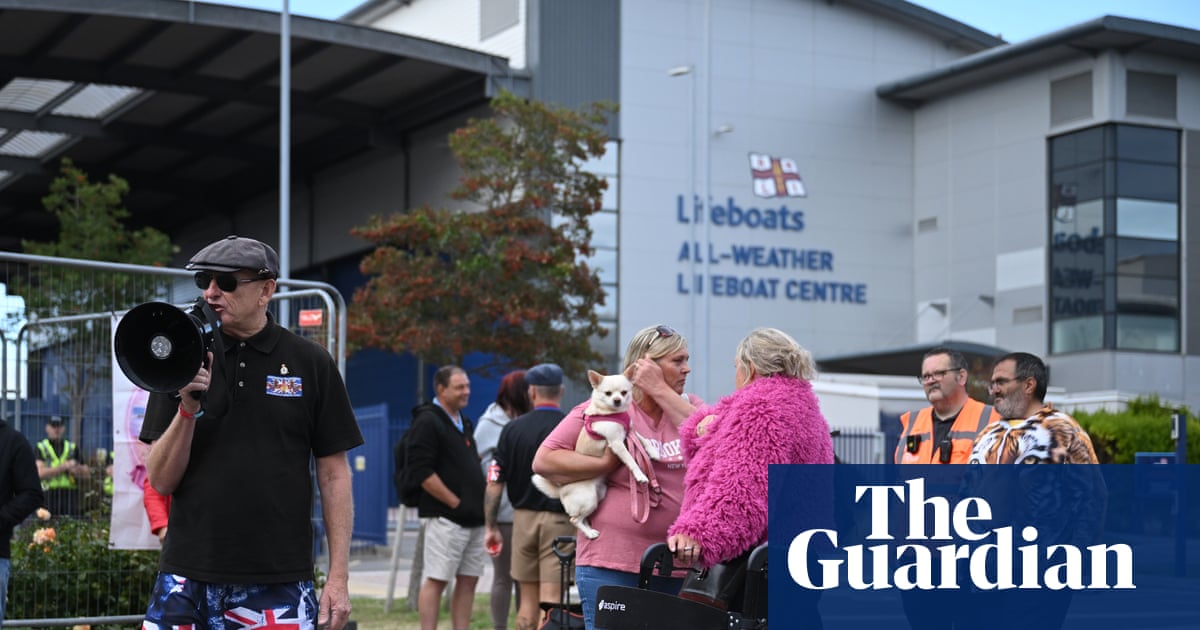
The immediate trigger for these security reviews was a rescue operation on Sunday involving a dinghy carrying asylum seekers, which was brought into Portsmouth. Following this event, protests erupted, with demonstrators gathering outside the Poole headquarters. Approximately fifty individuals, including members of groups such as the Poole Patriots and Hampshire Resistance, attended a demonstration on Wednesday. Protest leaders distributed rape alarms to women at the scene, asserting that these devices were necessary due to perceived risks from men brought into the country by the RNLI. They also urged the public to cease financial contributions to the charity.
Beyond physical demonstrations, RNLI workers have faced a campaign of online abuse and misinformation. Social media platforms have seen the circulation of images identifying crew members involved in the Sunday rescue, accompanied by accusations that they are complicit in an invasion of the United Kingdom. Rumors have also spread claiming that the charity has housed asylum seekers or transported them to undisclosed locations after landing them on shore. The RNLI has characterized these allegations as baseless, emphasizing that its primary mandate remains saving lives at sea regardless of nationality or immigration status.
Law enforcement agencies are actively investigating the threats directed at volunteers. Sussex police are examining offensive and threatening commentary found online, while Hampshire officers have increased patrols around stations in Portsmouth. Dorset police are focused on securing the headquarters in Poole. The involvement of multiple police forces underscores the geographic spread of the unrest and the seriousness with which authorities are treating the harassment campaign. This multi-agency response aims to deter further aggression and ensure that life-saving operations can continue without interruption.
Despite the pressure, the RNLI has reaffirmed its commitment to conducting rescues in the Channel. The charity’s chief executive emphasized that security processes are being reviewed not to abandon their mission but to protect those who carry it out. The decision to advise volunteers on personal safety measures highlights the difficult balance between maintaining operational effectiveness and ensuring the well-being of unpaid workers who often face public scrutiny. The situation illustrates the growing intersection of humanitarian aid, immigration politics, and community safety in coastal regions.
The impact of these events extends beyond immediate security concerns, affecting the morale and operational dynamics of volunteer crews. Staff at the Portsmouth station have already reported being approached by members of the public demanding explanations for their actions. This direct confrontation adds a layer of psychological stress to the physical risks posed by agitators. As the charity navigates this crisis, it faces the challenge of maintaining its neutral, life-saving ethos while operating in an increasingly polarized environment where its humanitarian efforts are politicized and contested.
Looking ahead, the RNLI must determine how long these heightened security measures will remain in place. The effectiveness of current police protections and the potential for further protests or online campaigns will influence future decisions. The charity’s ability to continue its work depends on sustaining volunteer confidence and public support amidst the backlash. The incident serves as a stark reminder of the vulnerabilities faced by humanitarian organizations when their actions become entangled in broader political debates over migration and national security.
The situation remains fluid, with no clear indication of when the hostility will subside. While the RNLI has taken immediate steps to safeguard its people, the long-term implications for volunteer recruitment and community relations are still unfolding. The charity’s stance on continuing rescues despite the opposition highlights its dedication to its core mission, even as it confronts unprecedented challenges from organized groups seeking to disrupt its operations. The coming weeks will likely reveal whether these security adjustments are sufficient or if further changes are necessary.
Sources behind this briefing
Go to the original reporting
- The Guardian World↗RNLI steps up security after attacks by far-right agitators over small boat rescues