The short version
- Saudi Arabia confirmed it intercepted a Houthi ballistic missile targeting Riyadh, the first such attack on the capital since fighting intensified in July.
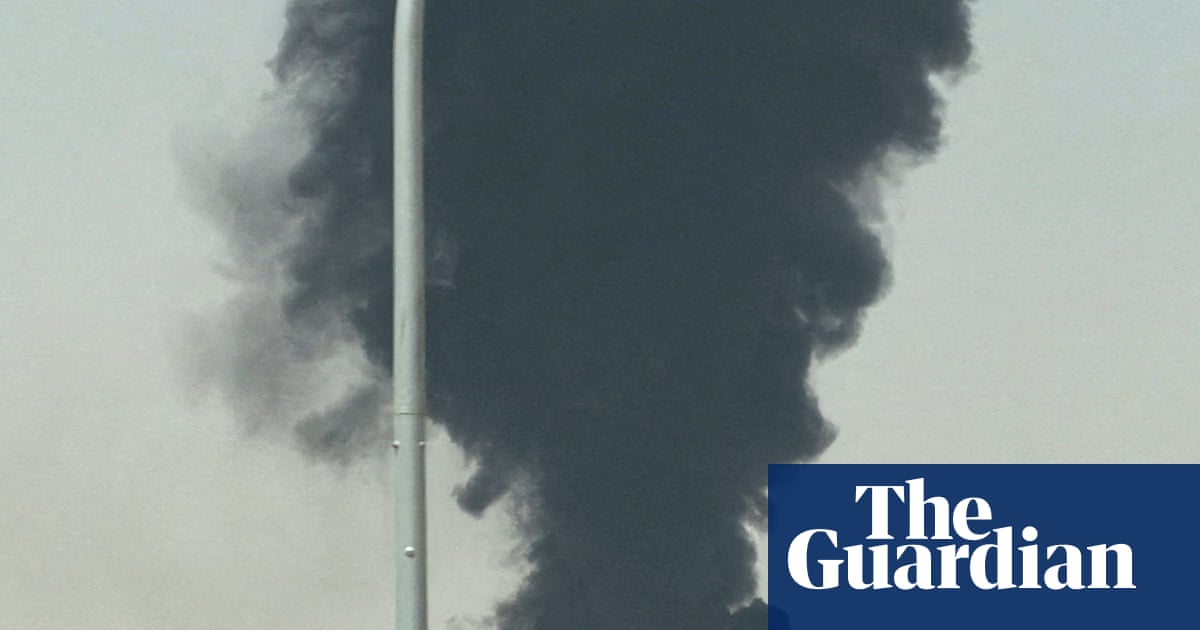
- Visual evidence of smoke and fire near King Khalid International Airport raised concerns about infrastructure damage, though no casualties were officially reported.
- The United Nations Security Council condemned the attacks and called for stricter enforcement of arms embargoes against the rebel group.
Saudi Arabia confirmed on Saturday that it had intercepted a ballistic missile fired by Yemen’s Houthi rebels toward Riyadh, marking the first time the Saudi capital has been directly targeted since hostilities escalated in July. The interception occurred during the early hours of the morning, prompting civil defense authorities to issue air raid alerts to residents across Riyadh and other major cities, including Jeddah and the industrial port of Yanbu. This development represents a notable expansion of the conflict zone, moving beyond border skirmishes to direct threats against the heart of the Saudi kingdom.
While official statements emphasized that the missile was destroyed before impact, visual reports from the ground suggested a more complex scene. Thick plumes of black smoke were observed rising near King Khalid International Airport, where firefighters worked to extinguish flames engulfing a fuel tank bearing the logo of Aramco, the state-owned oil giant. Residents described hearing explosions and seeing fire in the direction of the airport, leading to significant disruption in air travel. Flight tracking data indicated major operational problems at the facility, which was listed under its maximum disruption index during the incident.
The Houthi military spokesperson, Brig. Gen. Yahya Saree, claimed that his forces had successfully struck sensitive sites in Riyadh and facilities belonging to Aramco in Yanbu using a combination of cruise missiles, ballistic missiles, and drones. He asserted that these attacks caused massive fires, although he provided no independent evidence to support these assertions. Saudi officials did not confirm any damage to critical infrastructure or casualties resulting from the overnight barrage. The discrepancy between Houthi claims of successful strikes and Saudi reports of interception highlights the ongoing information war surrounding the conflict.
This incident follows a rapid series of escalations in the region. Just days earlier, Saudi Arabia reported that Houthis had attempted to target Mecca with a drone, an accusation the rebels fiercely denied. Additionally, debris from an intercepted Houthi drone reportedly killed a Yemeni resident in Saudi Arabia, marking the first civilian casualty attributed to the current phase of fighting. The conflict has also seen Houthis seize control of strategic locations along the Red Sea coast, including the port city of Mokha and islands in the Bab al-Mandab Strait, enhancing their ability to monitor and potentially disrupt maritime traffic.
The United Nations Security Council responded to the escalating violence with a statement condemning Houthi attacks on Saudi civilian and energy infrastructure. The council emphasized that these actions have injured civilians, including women and children, and called for practical cooperation among member states to prevent the group from acquiring arms, military training, and financing. The resolution stressed the importance of enforcing existing UN arms embargoes against the Houthis, aiming to curb their capacity to launch further cross-border strikes.
Regional dynamics are shifting as Saudi Arabia faces mounting pressure. Reports indicate that the kingdom is running low on missile interceptors and has sought air defense support from international partners, including France, Britain, Pakistan, and Egypt. The United States, a key ally of Riyadh, has signaled it does not currently intend to engage in direct military intervention against the Houthis. President Donald Trump has reportedly rebuffed Saudi requests for US troops to join the fight, leaving the kingdom to manage the threat with its own resources and limited international assistance.
The conflict has also reignited fears of a broader regional war. The fighting between Saudi-backed forces and Houthi rebels marks a return to intense civil warfare in Yemen after four years of relative calm. Nearly 105,000 people have fled their homes due to the renewed violence, according to the International Organization for Migration. Meanwhile, tensions remain high elsewhere in the Middle East, with Israel launching airstrikes in southern Lebanon and Gaza following reports of casualties from explosive devices.
As the situation evolves, the potential for further disruption to global energy markets looms large. The Houthis’ control of key Red Sea shipping lanes raises concerns about a second oil supply crisis, particularly if they expand their targeting beyond Saudi vessels. The US State Department has issued security alerts urging American citizens in the region to exercise heightened vigilance and reconsider travel plans. The coming days will likely see continued volatility as both sides assess their capabilities and the international community grapples with the implications of this new front in the wider Iran-Saudi rivalry.
Uncertainty remains regarding the long-term strategy of both the Houthis and Saudi Arabia. While Riyadh seeks to protect its sovereignty and critical infrastructure, the Houthis appear determined to leverage their military gains to extract political concessions. The lack of clear communication channels between the two parties increases the risk of miscalculation. International observers are closely watching for signs of de-escalation or further provocation, as the stability of the entire region hangs in the balance.
In the immediate aftermath, Saudi authorities have encouraged residents to avoid gathering in crowds and remain alert to potential further attacks. The civil defense force continues to monitor airspace across the kingdom, ready to respond to any new threats. As smoke clears from the airport vicinity, the focus shifts to assessing any hidden damage and preparing for what could be a prolonged period of heightened security measures and military readiness.
Sources behind this briefing
Go to the original reporting
- NPR↗Saudi Arabia says Houthis tried to attack its capital
- The Guardian World↗Thick smoke seen near Riyadh airport as Houthis claim attack on Saudi capital
- PBS NewsHour↗Saudi Arabia confirms Yemen's Houthi rebels tried to attack its capital with a ballistic missile

