The short version
- Global air conditioning units are projected to more than double by 2050 as rising temperatures make cooling essential for health and economic stability in developing nations.
- The energy required for this expansion could account for a substantial portion of future electricity demand, potentially increasing carbon emissions unless efficiency measures are implemented.
- Experts argue that restricting access to cooling technology in vulnerable regions would hinder economic growth and reduce global cooperation on climate change initiatives.
The trajectory of global climate policy is increasingly intersecting with the practical necessity of artificial cooling. As atmospheric temperatures continue to rise, the demand for air conditioning is accelerating at a pace that outstrips previous projections. This shift presents a complex dilemma for environmental strategists who have traditionally focused on reducing consumption and curbing energy use. The reality of a warming planet suggests that expanding access to cooling technology is not merely a matter of comfort but a critical component of public health and economic resilience.
Data from the World Resources Institute indicates that if global temperatures exceed 3 degrees Celsius above preindustrial levels, extreme heat will become a persistent threat to urban centers. Under such scenarios, one in six of the world’s largest cities could experience monthly heatwaves annually. Low-income nations are particularly vulnerable, facing an average of nearly seven heatwaves per year. In major hubs like Delhi, residents may endure over 140 days each year where temperatures reach at least 35 degrees Celsius. These conditions render passive cooling methods insufficient for large segments of the population.
Current disparities in access to cooling technology highlight the scale of the impending infrastructure challenge. While ninety percent of households in developed nations like the United States and Japan utilize air conditioning, penetration rates remain low in many tropical regions. In Indonesia, only nine percent of homes have access to such systems, and in India, the figure stands at just five percent. The International Energy Agency notes that among the 2.8 billion people living in the hottest parts of the globe, merely eight percent currently possess air conditioning. This gap is expected to widen as these populous regions experience more intense heat.
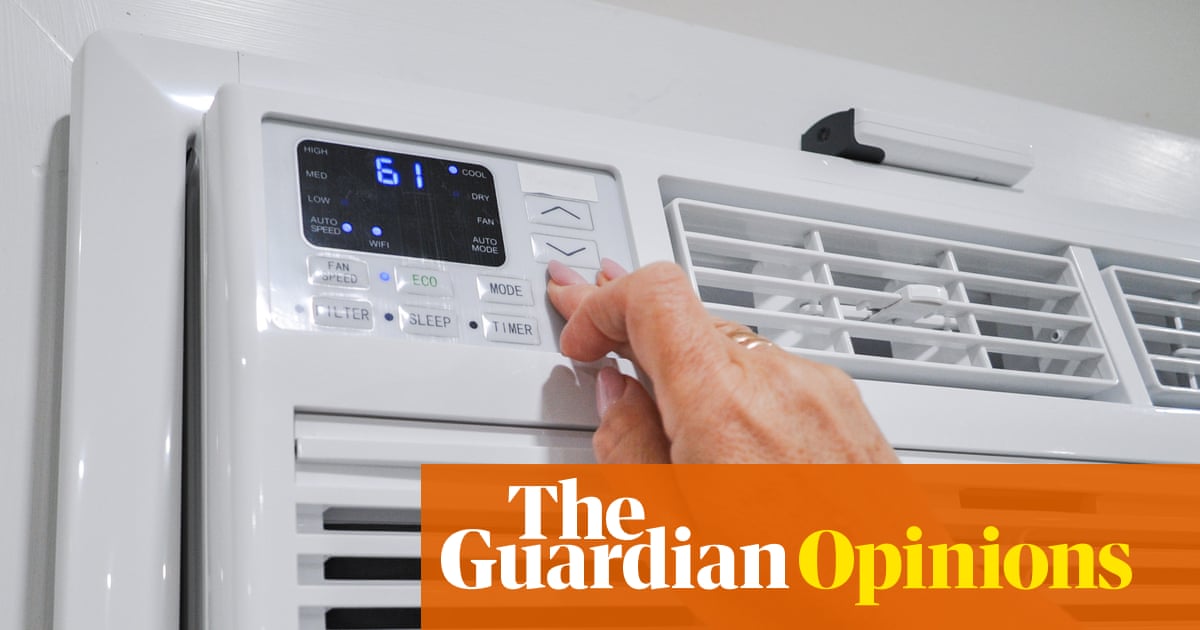
The physical expansion of cooling infrastructure is projected to be dramatic. The global stock of air conditioners in buildings is anticipated to grow from 2.5 billion units today to 5.6 billion by 2050. India alone serves as a stark example of this trend, with installed inventory expected to surge from 48 million units in 2020 to 1.1 billion by the end of the decade. This represents a twenty-three-fold increase. Even if international emissions targets established by the Paris Agreement were fully met, an estimated forty to fifty percent of populations in many warm countries would still require artificial cooling to maintain livable conditions.
Meeting this demand will place immense strain on global energy systems. Researchers at Harvard University estimate that by 2050, electricity required solely for cooling in India and Indonesia could reach seventy-five percent of their current total annual power consumption. This surge in usage poses a significant challenge for climate goals. In 2022, energy used for cooling contributed approximately 2.5 billion tons of carbon dioxide equivalent emissions, representing about seven percent of the global total. Without substantial improvements in energy efficiency and passive design strategies, these emissions could nearly triple to eight billion tons by mid-century.
Public sentiment in some regions reflects a tension between environmental concerns and personal comfort. Surveys in France have shown that a majority of respondents prefer to endure heat rather than install air conditioning to protect the environment. However, policymakers and scientists argue that such preferences cannot dictate global strategy. The health benefits of cooling are well-documented; studies of historical data in the United States show that the lethality of hot days declined by approximately seventy-five percent between 1900 and 2004, largely due to the widespread adoption of residential air conditioning. Limiting access to these systems would effectively accept higher mortality rates among vulnerable populations.
Beyond health considerations, economic productivity is closely tied to thermal comfort. Excessive heat in workplaces significantly reduces labor output, while cooler environments help mitigate this decline. Similarly, extreme temperatures can impair student achievement, thereby eroding human capital development. For nations in South and Southeast Asia, achieving faster economic growth will require increased energy consumption for industry, transportation, and cooling. Restricting access to air conditioning in these regions could stifle development and undermine the global effort to combat climate change.
Historical precedents suggest that imposing unrealistic environmental constraints on developing nations can backfire. Previous campaigns by Western organizations to limit hydropower development in Africa, while simultaneously calling for an end to fossil fuel expansion, generated resentment and yielded little progress. A similar approach to air conditioning could provoke resistance from countries that view cooling as essential for their survival and prosperity. Ensuring that these nations have the resources to adapt to a hotter climate is viewed by many experts as indispensable for maintaining international cooperation on broader environmental goals.
The path forward requires balancing the urgent need for cooling with the imperative to reduce carbon emissions. Innovation in energy efficiency, renewable power generation, and passive cooling techniques will be critical. The narrative of degrowth or population control offers little practical guidance for addressing the immediate threats posed by extreme heat. Instead, facilitating access to reliable and sustainable cooling solutions may prove to be one of the most effective strategies for protecting both human life and economic stability in a warming world.
Sources behind this briefing
Go to the original reporting
- The Guardian US↗Air conditioners are our best bet in the fight against extreme heat – whether we like it or not

