The short version
- The producer price index jumped 6.3 percent annually in September, driven largely by a sharp increase in gasoline and diesel costs that are beginning to affect shipping and food prices.
- Retail sales rose 0.8 percent for the month, exceeding forecasts, as consumers continued to spend despite a gloomy outlook and declining real wages adjusted for inflation.
- The Federal Reserve is expected to raise interest rates further to combat persistent inflation, even as the labor market remains tight with historically low unemployment claims.
Economic data released in mid-October reveals a complex tension within the United States economy: inflation is accelerating while consumer spending remains surprisingly robust. High energy costs are intensifying price pressures across multiple sectors, yet households continue to purchase goods and services at a pace that supports overall growth. This dynamic suggests that American consumers are currently absorbing higher costs rather than reducing their consumption, a trend that may not be sustainable if price increases persist.
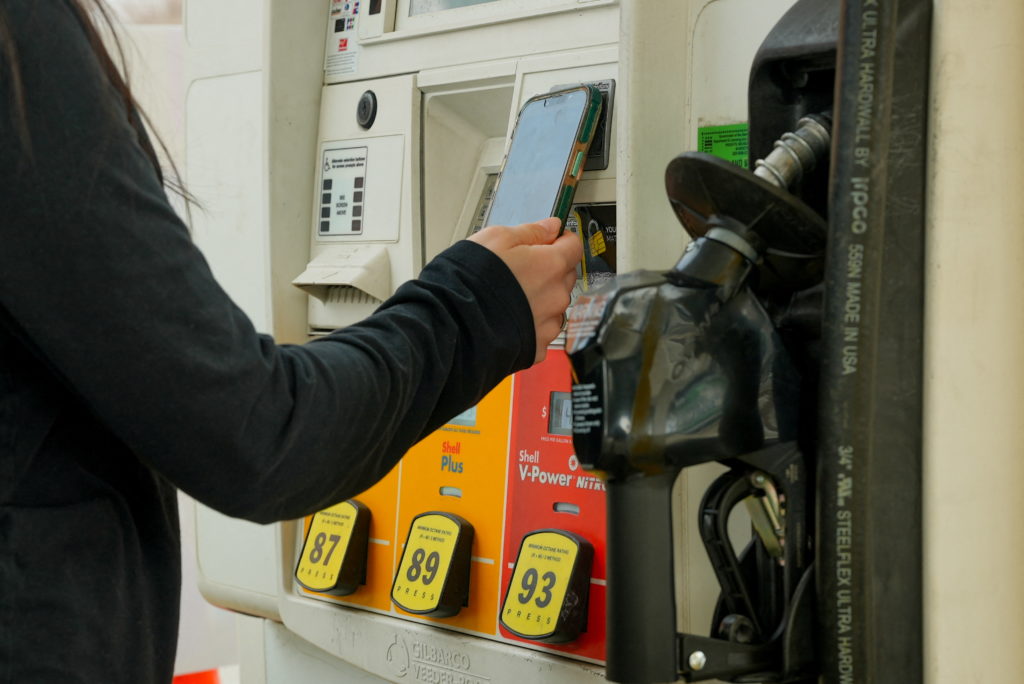
The latest figures indicate a significant uptick in wholesale inflation. The government’s producer price index, which tracks costs before they reach the final buyer, increased by 6.3 percent in September compared to the previous year. This represents the largest annual jump in nearly four years. On a monthly basis, prices rose 1.3 percent from August, a surge largely attributed to a 20 percent increase in gasoline prices during that period.
These rising energy costs are beginning to permeate other areas of the economy through supply chain mechanisms. Higher diesel prices have increased expenses for long-haul trucking and freight rail services, which are essential for moving manufactured goods from factories to wholesalers and retailers. Analysts note that this transportation cost increase acts as a conduit, allowing energy price shocks to bleed into the costs of core goods across various stages of production.
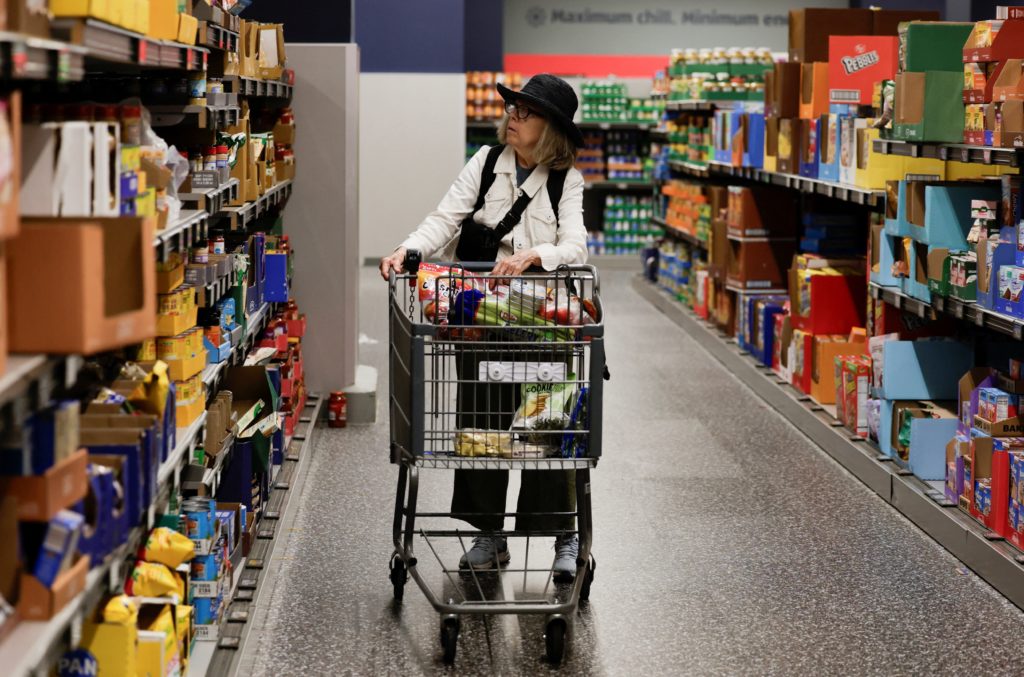
Food prices at the wholesale level also saw a notable increase, rising 1.2 percent from August to September. This marks the largest monthly gain in food costs since February. Farmers rely heavily on diesel fuel to operate their equipment, meaning that elevated energy prices could continue to push agricultural costs upward. Consequently, grocery bills for consumers may become more expensive in the coming months as these wholesale increases are passed down the supply chain.
Despite these mounting cost pressures, retail sales data showed resilience. Total retail sales rose 0.8 percent from August, a figure that exceeded economist forecasts. A significant portion of this increase was driven by spending at gas stations, which jumped 6.4 percent. However, consumers also increased expenditures in other categories, including a 1.1 percent rise in spending at restaurants and bars. When gasoline is excluded from the calculation, retail sales still rose slightly by 0.2 percent, though much of this reflects higher prices rather than increased volume.
The persistence of consumer spending appears linked to the strength of the labor market. Although hiring has slowed recently, with September job growth falling to 29,000 from a revised 133,000 in August, layoffs remain unusually low. The number of people seeking unemployment benefits stayed below 200,000 for the week ending in mid-October, a historically low figure that serves as a proxy for job stability. This employment security likely encourages households to maintain their spending habits even when surveys indicate a pessimistic view of the broader economy.
Nevertheless, there are signs that financial strain is building. Weekly paychecks, when adjusted for inflation, declined in September compared to the previous year for the first time since May. This erosion of purchasing power raises concerns among economists that high inflation will eventually weigh more heavily on household budgets. As spending power diminishes, consumers may become increasingly reliant on savings and credit to maintain their current levels of consumption.
Looking ahead, the Federal Reserve is likely to respond to these stubbornly elevated inflation figures by raising its key interest rate in the coming months. The central bank’s target for inflation is 2 percent, but the consumer price index rose to 3.7 percent in September, far exceeding that goal. Higher interest rates are intended to slow spending and bring down inflation, but they also increase borrowing costs for consumers and businesses. The interplay between rising prices, resilient spending, and potential rate hikes will define the economic landscape as the midterm elections approach.
The current economic picture is one of divergence between objective data and subjective sentiment. While people are continuing to spend money, they do not feel optimistic about their financial situation. This disconnect highlights the fragility of the current growth model, which relies on consumers digging into savings or credit to offset rising costs. If inflation continues to erode real wages and job security begins to waver, the resilience of consumer spending could quickly evaporate.
For now, the economy is being powered by a combination of low unemployment and consumer willingness to endure higher prices. However, the acceleration in wholesale inflation suggests that cost pressures are spreading beyond energy into food and transportation. Policymakers and businesses must navigate this environment carefully, balancing the need to control inflation with the risk of stifling economic activity through aggressive monetary tightening.
Sources behind this briefing
Go to the original reporting
- PBS NewsHour↗How much longer will consumers be willing to muscle through higher prices?