The short version
- Skyrocketing diesel and input costs are squeezing farm profits during harvest season, creating economic anxiety among traditional Republican voters in Kansas.
- Some long-time GOP supporters express frustration with trade policies and immigration enforcement, leading to undecided status or consideration of Democratic alternatives.
- President Trump is campaigning in Kansas and Iowa to energize the base as Republicans invest heavily in Senate races where voter enthusiasm appears waning.
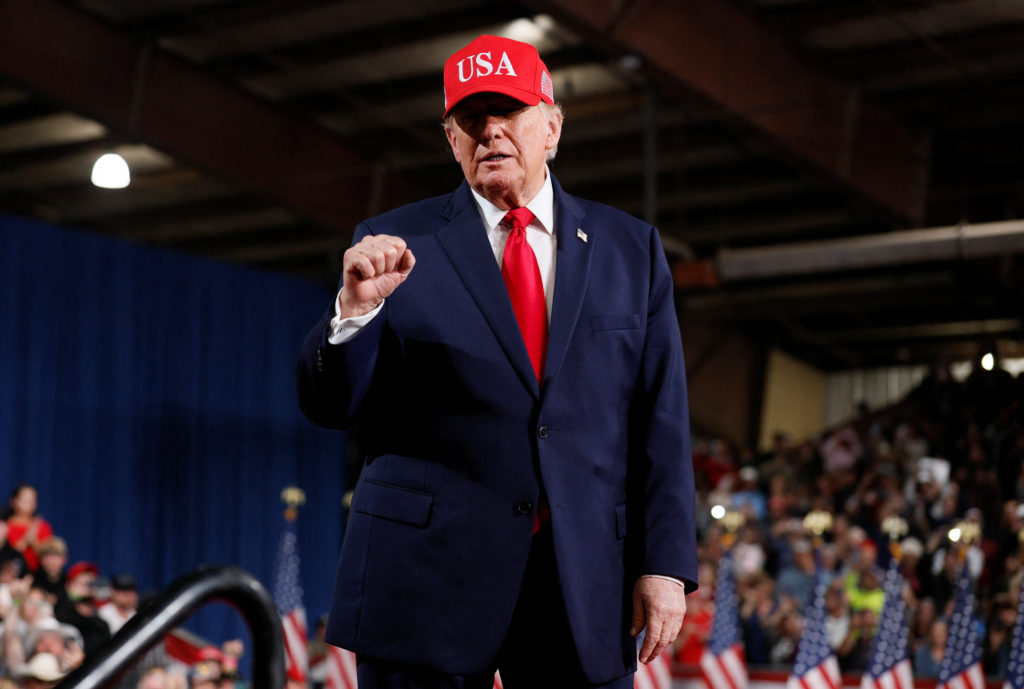
President Donald Trump is scheduled to address supporters at a rally in Topeka, Kansas, on Monday evening, marking another stop in a campaign tour designed to mobilize Republican voters in the final weeks before the midterm elections. The visit comes as party officials pour resources into Senate contests in Kansas, Nebraska, and Iowa, driven by concerns that voter enthusiasm may be insufficient to secure victories in states the party has historically dominated.
The political anxiety is particularly acute in Kansas, a state President Trump won by sixteen points against Kamala Harris in 2024. Republican Senator Roger Marshall faces a competitive challenge from Democrat Adam Hamilton in a race where Democrats have not secured a Senate victory in ninety-four years. While the margin suggests a comfortable lead for the GOP, underlying economic pressures are complicating the political landscape for candidates seeking to maintain their base.
For agricultural producers, the current harvest season is defined by severe financial strain. Glenn Brunkow, president of the Kansas Farm Bureau and a fifth-generation farmer, describes this period as critical for moving crops and livestock but notes that it is now occurring alongside diesel prices more than $2.50 per gallon higher than the previous year. These rising costs compound existing pressures from unpredictable markets and shrinking profit margins.
National data underscores the severity of the fuel crisis impacting rural America. According to AAA, diesel averaged $6.30 per gallon nationwide recently, representing a surge of more than seventy percent compared to last year. The U.S. Department of Agriculture projects that net farm income will decline by 2.6% this year as production expenses rise by 4.5%, with fuel and oil costs alone expected to jump nearly thirty percent.
The economic squeeze is translating into political uncertainty for some Republican voters. Don Hineman, a western Kansas rancher and former state House majority leader, reports growing frustration among GOP supporters who have backed President Trump in multiple elections. Hineman cites tariffs that have harmed his business and the ongoing war with Iran as significant sources of discontent, alongside concerns over recent immigration raids in western Kansas that detained more than one hundred people.
Hineman argues that the traditional Republican strategy of warning against Democratic liberalism is losing its persuasive power among some constituents. He expressed fatigue with what he perceives as the party’s subservience to the current administration, stating he is willing to consider political alternatives. This sentiment reflects a broader shift where voters are less swayed by fears of a liberal takeover and more focused on immediate economic and policy grievances.
Individual voter experiences highlight this wavering loyalty. Debbie Geneva, a lifelong Republican from Nortonville, Kansas, remains undecided in the Senate race after observing Democratic candidate Adam Hamilton engaging directly with community members at a local market. She noted that she has not seen Senator Marshall make similar efforts to connect with voters on the ground.
Geneva cited rising healthcare costs and everyday expenses as additional burdens, criticizing trade agreements for failing to benefit the Midwest. While she acknowledges the difficulty of breaking from her party’s history, her hesitation illustrates how economic frustrations are dampening enthusiasm for Republican candidates. As President Trump seeks to energize the base in Kansas and Iowa, these underlying tensions pose a significant challenge for the party’s midterm prospects.
The situation in Kansas serves as a bellwether for Republican performance in other agricultural states facing similar headwinds. With fuel costs disrupting harvest operations and policy disagreements eroding trust among traditional allies, the GOP must navigate a complex electorate where economic reality is competing with partisan loyalty. The outcome of these races may hinge on whether candidates can address these specific grievances or if enthusiasm gaps will prove decisive.
As the election approaches, the focus remains on whether President Trump’s rallies can offset the quiet dissatisfaction brewing in rural communities. The combination of high input costs, trade policy disputes, and immigration enforcement issues has created a volatile environment for Republican incumbents. Voters like Brunkow and Hineman suggest that while they may not switch parties entirely, their reduced enthusiasm could impact turnout and election margins in critical swing states.
Sources behind this briefing
Go to the original reporting
- PBS NewsHour↗WATCH LIVE: Trump heads to rally in Kansas as Republican voters' frustrations deepen