The short version
- Governor Dan McKee faces a competitive Democratic primary challenge from Helena Buonanno Foulkes, with polls indicating she holds a lead despite many undecided voters.
- The campaign centers on the delayed reconstruction of the Washington Bridge and an investigation into McKee's involvement in state contract awards.
- Foulkes has significantly outspent McKee in fundraising, while the Republican primary features a contest between Aaron Guckian and Elaine Pelino.
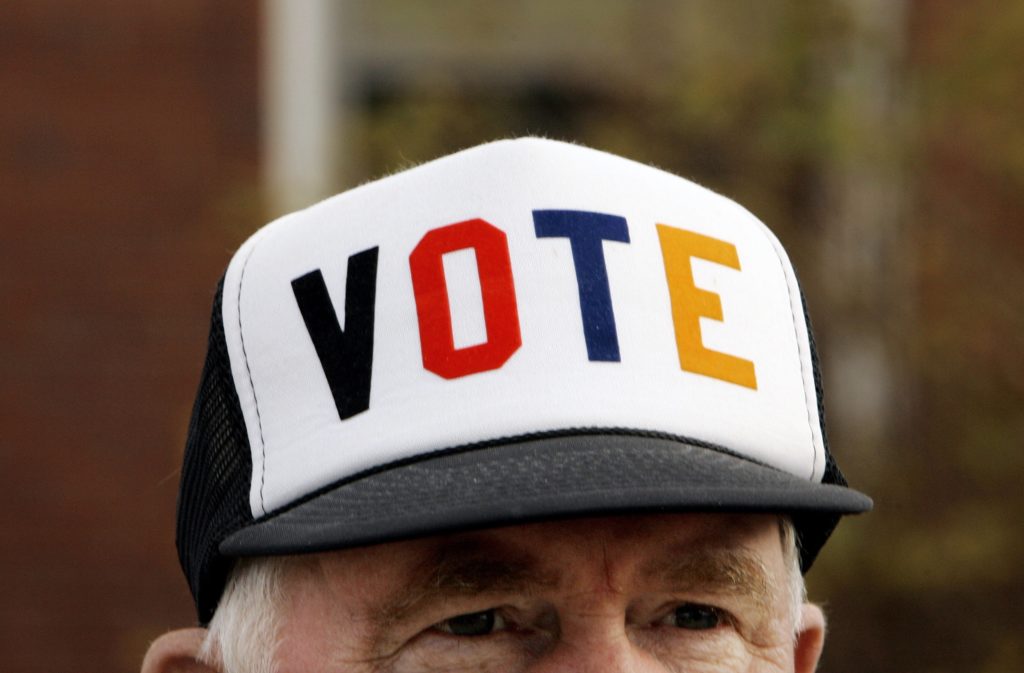
Rhode Island voters are selecting nominees for federal, state, and local offices in midterm primaries that feature a significant contest for the governorship. Incumbent Democrat Dan McKee is seeking a second full term but faces a formidable challenge from Helena Buonanno Foulkes. The outcome carries historical weight, as McKee risks becoming the first elected governor in the United States since 2014 to lose his party's nomination and the first in Rhode Island history since 1994 to suffer such a defeat.
McKee initially assumed office in March 2021 following the departure of Gina Raimondo, who left to serve as U.S. commerce secretary. He secured election by a wide margin in 2022, winning 32.8% of the vote in a five-way primary. Foulkes placed second in that race with 29.9%, while then-Secretary of State Nellie Gorbea took third with 26.2%. McKee’s victory relied on narrow margins in populous cities such as Warwick, Cranston, East Providence, and Pawtucket, though he finished second in Providence, the state’s largest city.
A central issue in the current campaign is the management of the Washington Bridge reconstruction project. The bridge, which connects Providence and East Providence and handles approximately 100,000 vehicles daily, was closed to westbound traffic in December 2023 after authorities identified critical structural flaws. By March 2024, officials determined the structure required complete demolition and replacement. Initial estimates suggested a reopening this year, but timelines have since shifted to November 2028.
Scrutiny has also focused on McKee’s oversight of state contracts. A joint investigation conducted in 2024 by State Attorney General Peter Neronha and the state police concluded that the governor personally intervened in the awarding of a multimillion-dollar contract. While the investigation found no violations of bribery or campaign finance laws, it highlighted direct executive involvement. Neronha subsequently endorsed Foulkes in March, adding political weight to the challenger’s campaign.
Foulkes, a former executive at Rhode Island-based CVS Health and niece of former Connecticut Senator Chris Dodd, has leveraged significant financial resources. State campaign finance records indicate that her fundraising and spending have nearly doubled those of McKee. Independent polling from the University of New Hampshire suggests Foulkes has maintained a lead over the governor throughout the year, although a substantial portion of voters remain undecided as election day approaches.
McKee’s campaign strategy has focused on contrasting his record with Foulkes’ corporate background. He has highlighted CVS Health’s alleged role in fueling the opioid crisis, attempting to frame her executive experience as a liability rather than an asset. This line of attack aims to shift voter attention away from infrastructure delays and contract controversies toward broader public health concerns associated with her former employer.
On the Republican side, Aaron Guckian and Elaine Pelino are competing for the gubernatorial nomination. Guckian, a state trade association executive who won the lieutenant governor nomination in 2022 with roughly 68% of the vote, has secured the endorsement of the state party. Pelino, a former actress and first-time candidate, challenges him in what is expected to be a less competitive race given the state’s strong Democratic lean.
Rhode Island has not elected a Republican governor in two decades, with no GOP nominee surpassing 39% of the general election vote during that period. The primary electorate includes approximately 235,000 registered Democrats and 100,000 Republicans, alongside about 359,000 unaffiliated voters who may participate in either party’s contest. Early voting data shows a modest number of ballots cast so far, with Democratic participation slightly higher than Republican turnout at this stage.
The Associated Press will monitor vote tallies across multiple contests, including races for U.S. Senate, House, attorney general, and state legislative seats. Results from these primaries will shape the political landscape heading into the general election, particularly given the high stakes involved in retaining or replacing the state’s chief executive. Voters are weighing established incumbency against fresh challenges amid ongoing infrastructure and governance debates.
As ballots are counted, attention will focus on whether McKee can retain his base in urban centers while mitigating damage from suburban and rural dissatisfaction. The primary serves as a critical test of voter sentiment toward his administration’s handling of major projects and ethical inquiries. Regardless of the outcome, the race underscores growing scrutiny of executive decision-making and infrastructure management in New England.
Sources behind this briefing
Go to the original reporting
- PBS NewsHour↗Live Results: Rhode Island midterm primaries

