The short version
- Dan McKee becomes the first sitting governor to lose a primary in nearly ten years after Helena Foulkes secured the Democratic nomination.
- The campaign centered on the extended closure and reconstruction timeline of Providence’s Washington Bridge, which is now expected to reopen in late 2028.
- Foulkes, a former CVS executive and previous candidate, leveraged local anger over traffic disruptions to overcome McKee’s incumbency advantage in a heavily Democratic state.
In a significant shift for Rhode Island politics, incumbent Governor Dan McKee has lost his bid for re-election within the Democratic Party. The Associated Press confirmed that Helena Foulkes emerged victorious in the primary contest, marking a rare instance of a sitting governor being defeated by a challenger in nearly a decade. This outcome distinguishes itself from broader national trends where anti-establishment sentiment has frequently propelled younger or more progressive insurgents into office. Instead, this race was defined by localized frustration regarding infrastructure management rather than a sweeping ideological realignment.
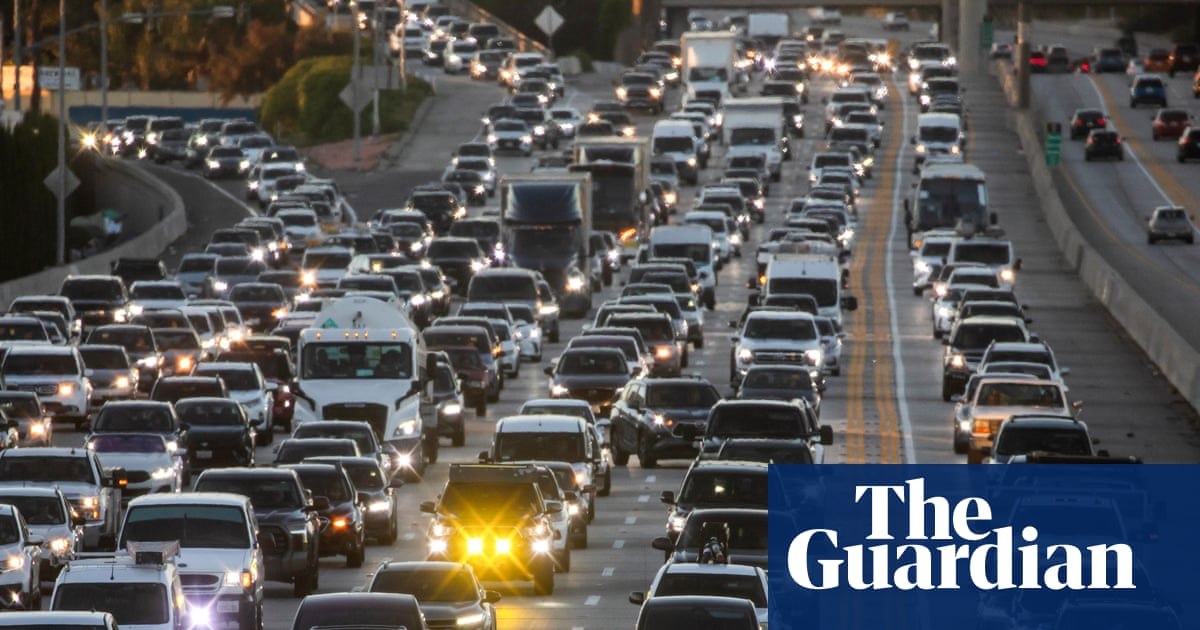
The central issue driving voter dissatisfaction was the handling of repairs to the Washington Bridge in Providence. This critical east-west thoroughfare serves approximately 100,000 vehicles daily, making its closure a substantial burden for commuters and local businesses. McKee ordered the bridge closed in December 2023 after structural inspections revealed serious safety concerns. By March 2024, state officials determined that repairing the existing structure was not viable and that a complete rebuild was necessary.
Initial projections suggested the bridge would reopen to traffic within the current year. However, the project has faced significant delays, with the new completion date pushed back to November 2028. Foulkes made these delays a focal point of her campaign, accusing McKee of mismanaging the repair process and allowing the disruption to drag on far longer than originally anticipated. Her criticism resonated with voters who have endured years of traffic congestion and logistical challenges due to the closure.
Foulkes is not a newcomer to Rhode Island political races. She previously ran against McKee in a five-way primary contest four years ago, finishing as a close second. At that time, McKee went on to win the general election comfortably after assuming the governorship from Gina Raimondo. Raimondo had stepped down from the role in 2021 to serve as the U.S. commerce secretary under President Joe Biden. The current primary serves as a rematch of sorts, with Foulkes leveraging her previous name recognition and local connections.
Foulkes brings professional experience from the private sector to the race. She is a former longtime executive at CVS Health, a retail pharmacy giant based in Rhode Island. Her background in corporate management may appeal to voters seeking a different approach to state administration, particularly in the context of large-scale infrastructure projects. Additionally, her family ties include being the niece of former U.S. Senator Chris Dodd of Connecticut, which provides her with established political networks and familiarity within the region.
The political landscape in Rhode Island remains heavily skewed toward the Democratic Party. Election analysts rate the governor’s seat as strongly Democratic, meaning that winning the primary is widely viewed as securing a major advantage for the November general election. While national headlines often focus on competitive swing states or partisan battles, this contest highlights how local issues can dominate even in safe districts. The defeat of McKee underscores the vulnerability of incumbents when they fail to manage high-visibility public works projects effectively.
This primary result contributes to a broader narrative of incumbent challenges across various levels of government. While many recent upsets have been attributed to generational changes or progressive policy demands, McKee’s loss illustrates that administrative competence and timely project execution are also critical factors in voter retention. The Washington Bridge saga has become a symbol of bureaucratic delay and communication gaps between state officials and the public they serve.
Looking ahead, Foulkes will now prepare for the general election, where she is expected to face minimal opposition given the state’s partisan leanings. Her victory signals a potential shift in policy priorities, particularly regarding infrastructure development and transportation planning. The extended timeline for the bridge reconstruction suggests that future administrations must navigate complex engineering challenges while maintaining public trust through transparent communication and realistic scheduling.
The implications of this primary extend beyond Rhode Island. It serves as a cautionary tale for other incumbents who may underestimate the impact of localized grievances on their re-election prospects. Even in strongholds, voters hold leaders accountable for tangible outcomes such as road conditions and commute times. As the November election approaches, attention will turn to how Foulkes plans to address the remaining issues surrounding the bridge project and other state priorities.
Ultimately, this election reflects a demand for accountability in public service. Voters rejected McKee not because of his party affiliation or broad policy platform, but due to specific failures in managing a critical piece of infrastructure. The delay in reopening the Washington Bridge has had measurable effects on daily life in Providence, and Foulkes successfully capitalized on that discontent. Her victory marks a new chapter for Rhode Island governance, with an emphasis on resolving long-standing logistical problems.
Sources behind this briefing
Go to the original reporting
- The Guardian US Politics↗Rhode Island’s Democratic governor loses primary amid anger over bridge