The short version
- The Italian army’s Julia Alpine brigade removed and defused 250 unexploded ordnance items, including artillery shells and mortar bombs, from melting glaciers in the Trentino Alto Adige region.
- Rapid glacial retreat driven by global heating is increasingly exposing dangerous relics from the First World War, posing severe risks to mountaineers and hikers who frequent these high-altitude areas.
- Experts warn that summer heatwaves are making glacier access more perilous, while also accelerating the discovery of historical artifacts and human remains preserved in the ice for over a century.
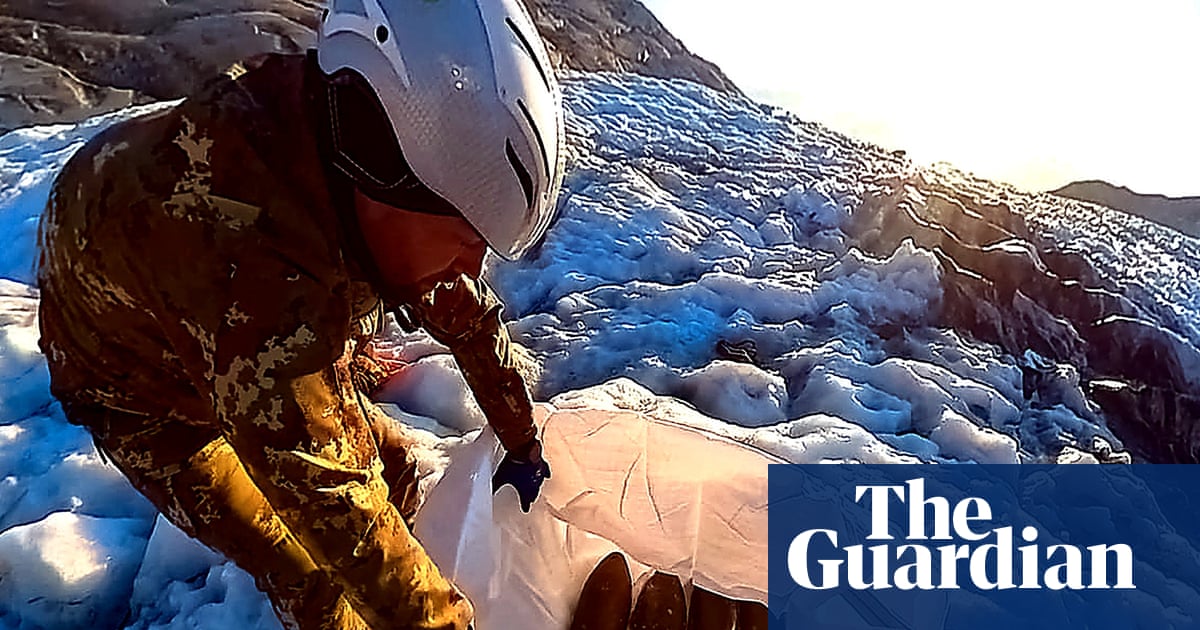
A significant quantity of unexploded ordnance from the First World War has emerged from rapidly retreating glaciers in the Italian Dolomites, prompting a large-scale military response to secure the area. The Italian army’s Julia Alpine brigade recently conducted an extensive sweep across high-altitude locations in the Trentino Alto Adige region, specifically targeting areas where hikers had reported sightings of dangerous debris during the summer months.
Military officials confirmed that soldiers successfully recovered and neutralized 250 explosive devices encased in ice for more than a century. The cache included 18 Italian 75mm artillery shells and 37 Thevetot mortar bombs, which were French-made weapons supplied to the Italian royal army during the conflict. These items originated from the so-called white war, a brutal campaign fought between Austro-Hungarian and Italian troops across treacherous, freezing terrain between 1915 and 1918.
The discovery underscores the accelerating impact of global heating on alpine environments. Stefano Morosini, a professor at the University of Bergamo and coordinator of heritage projects at Stelvio National Park, noted that the emergence of these artifacts is a direct consequence of rising temperatures. He observed that the number of dangerous items appearing each summer has increased in recent years, as ice that had preserved them for over 100 years continues to vanish.
While some of the exposed munitions have already detonated upon exposure to air and temperature changes, many remain intact and highly volatile. Morosini emphasized that these re-emerging objects pose a severe threat to public safety. Authorities are urging hikers and mountaineers to avoid touching any suspicious devices they encounter in the mountains and to report findings immediately to local police forces.
This event is part of a broader trend of historical revelations driven by climate change. Since the 1990s, melting ice in the Dolomites and Lombardy Alps has uncovered a variety of well-preserved relics from the white war era. These discoveries include not only weapons but also personal items such as sledges, letters, diaries, and even entire wooden barracks structures that were sealed off when soldiers abandoned their posts at the end of the war in November 1918.
One notable example occurred in 2015, when a wooden shelter dug into Mount Scorluzzo reappeared after the surrounding ice melted completely. Inside, researchers found straw beds, clothing, lanterns, newspapers, postcards, coins, and tinned food, all remarkably preserved by the cold environment. These artifacts provide a tangible connection to the soldiers who endured extreme conditions during the conflict.
The human cost of the white war is also becoming more visible as glaciers recede. Historians estimate that more than one million lives were lost during this period, with many deaths attributed to avalanches, falls, and hypothermia rather than direct combat. Over the past 15 years, dozens of corpses, some still wearing their uniforms, have been discovered in the melting ice. In 2017, relatives of an Italian soldier were able to give him a proper burial after documents found with his body on the Presena glacier confirmed his identity.
Beyond the historical and safety implications, the rapid retreat of glaciers is altering the landscape and increasing hazards for visitors. Morosini pointed out that intense summer heatwaves are making access to these high-altitude areas increasingly unsafe. The instability was tragically illustrated in 2022 when a massive section of the Marmolada glacier collapsed, resulting in eleven deaths. He warned that accessing glaciers during the summer is becoming nearly impossible due to prolonged heat at high elevations.
As the ice continues to disappear, the region faces a dual challenge of managing immediate safety risks and preserving historical heritage. A new museum dedicated to the white war is scheduled to open in Bormio in June 2027, aiming to house some of the recovered relics. However, experts caution that the pace of glacial loss is accelerating, meaning more dangerous artifacts and human remains will likely emerge in the coming years.
The situation serves as a stark reminder of the tangible effects of climate change on both natural landscapes and historical records. The Dolomites, once frozen in time, are now revealing their secrets at an alarming rate. As temperatures rise, the intersection of environmental change, public safety, and historical preservation will continue to present complex challenges for local authorities and residents alike.
Sources behind this briefing
Go to the original reporting
- The Guardian World↗Melting glaciers in Dolomites reveal cache of first world war munitions