The short version
- Major retailers are increasingly adopting artificial intelligence and digital price tags to manage costs, sparking public concern about how personal data influences pricing.
- While industry leaders deny using individual shopper data for dynamic pricing, regulators warn that undisclosed use of personal information may violate consumer protection laws.
- Legislators in at least thirty states have introduced bills addressing algorithmic pricing, reflecting a growing political effort to establish transparency standards.
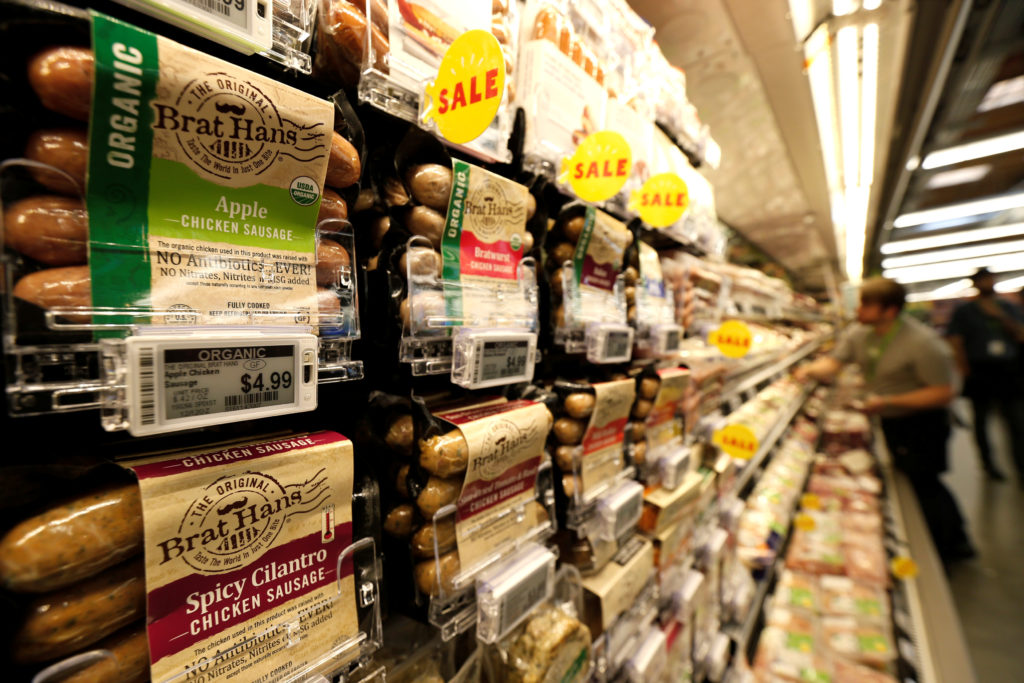
A significant shift is underway in American retail as major chains integrate artificial intelligence into their pricing strategies, replacing traditional paper tags with digital displays that can update costs electronically. This technological transition has moved beyond niche applications to become a central feature of the shopping experience at large grocery and merchandise stores. The change has triggered a wave of consumer frustration, not merely because prices remain high, but because the mechanisms determining those costs have become increasingly opaque and complex.
Shoppers are growing uneasy about the prospect of everyday purchases being shaped by algorithms they do not understand. Social media platforms are filled with speculation regarding whether retailers are using personal data to charge different individuals varying amounts for identical items. Terms such as dynamic pricing and surveillance pricing have entered public discourse, reflecting deep anxiety about the balance of power between corporate entities and individual consumers in the digital marketplace.
Industry representatives argue that many consumer fears stem from misunderstandings about how these tools function. Executives at major retailers emphasize that their goal is efficiency rather than exploitation. For instance, leadership at Walmart has stated that digital labels are designed to save worker time and ensure price accuracy, explicitly denying that they adjust costs based on weather conditions, time of day, or individual shopper profiles. The company maintains that it prices products, not people.
Despite these assurances, a lack of transparency regarding data collection fuels suspicion. Critics point out that companies often do not clearly disclose what customer information is gathered or how it is utilized in pricing decisions. This ambiguity has led to widespread rumors, including false claims that electronic shelf labels scan faces or cellphones to set personalized rates. Experts note that while these specific surveillance tactics are not currently standard practice, the potential for such misuse remains a primary driver of public distrust.
The technology itself involves two distinct but related concepts: dynamic pricing and personalized pricing. Dynamic pricing adjusts costs in response to market conditions like supply and demand, a strategy long familiar to consumers through airline tickets and ride-sharing services. Data from web analytics firms indicates that while price fluctuations are frequent across various product categories, roughly half of these changes involve decreases rather than increases, contradicting the assumption that algorithms only drive costs upward.
Personalized pricing, often referred to as surveillance pricing by advocates, goes a step further by tailoring discounts and rates based on individual characteristics such as location, income, or browsing history. It remains unclear how extensively businesses currently employ this practice. However, regulatory bodies have identified intermediaries providing these tools to hundreds of clients, including major grocery and clothing retailers, suggesting the infrastructure for widespread adoption is already in place.
In response to these developments, government officials are taking action. The Federal Trade Commission has proposed an enforcement policy indicating that failing to disclose the use of personal data for individualized pricing could constitute a violation of consumer protection laws. Simultaneously, state-level activity is intensifying, with legislators in at least thirty states considering bills aimed at regulating algorithmic and personalized pricing practices this year.
Labor unions have also voiced opposition to the technology, arguing that digital labels could facilitate surge pricing or undermine worker stability. While researchers have found little evidence of extreme price volatility in grocery stores since the introduction of electronic labels, the potential for future changes remains a point of contention. As the midterm elections approach and inflation concerns persist, the debate over algorithmic pricing is likely to remain a focal point for both policymakers and consumers.
The situation highlights a broader tension in the modern economy between technological efficiency and consumer rights. While retailers argue that these tools help manage costs and keep prices competitive, shoppers demand clarity about how their data is used. Until clear standards are established and enforced, the uncertainty surrounding AI-assisted pricing will likely continue to erode trust in major retail brands.
Looking ahead, the outcome of regulatory efforts at both the federal and state levels will determine the boundaries of acceptable pricing practices. If lawmakers succeed in mandating transparency, it could reshape how retailers interact with customers. Conversely, without intervention, companies may continue to expand their use of data-driven pricing strategies, potentially leading to greater disparities in what different consumers pay for the same goods.
Sources behind this briefing
Go to the original reporting
- PBS NewsHour↗Consumer concerns grow as retailers adopt AI-assisted pricing tools