The short version
- Rupert Lowe refused to state if King Charles qualifies as a white Briton under definitions requiring both parents to be UK-born.
- The exchange highlighted tensions between Restore Britain and Reform UK, with Farage warning of potential damage to his party.
- Lowe deflected questions about demographic forecasts by citing an unverified report on criminal activity rather than providing direct answers.
A contentious interview on the BBC’s Today programme revealed significant ambiguity regarding the ideological definitions used by Restore Britain, a hard-right political party. Rupert Lowe, the leader of the group and Member of Parliament for Great Yarmouth, faced intense questioning from presenter Nick Robinson concerning his claims about demographic shifts in the United Kingdom. Specifically, Robinson challenged Lowe on assertions that white Britons will constitute a minority population by 2063, pointing out that the report cited by Lowe defines this group strictly as individuals with both parents born in the UK.
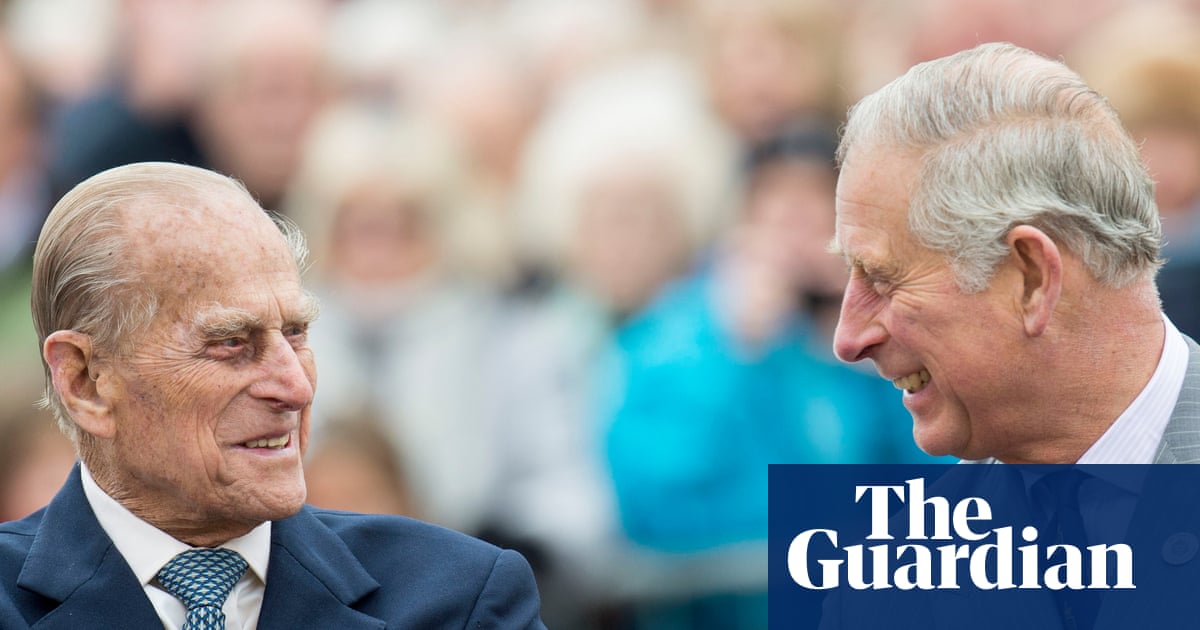
The line of questioning turned to King Charles III, whose father, Prince Philip, was born on the Greek island of Corfu. Robinson asked Lowe directly whether he considered the monarch a white Briton under the specific criteria outlined in the demographic forecast. Instead of providing a clear yes or no answer, Lowe declined to address the question, suggesting that such distinctions involved splitting hairs and that most British people would agree with his broader perspective on national identity.
Robinson pressed further, noting that by the report’s own logic, the King does not fit the category of white Briton due to his father’s foreign birthplace. Lowe continued to evade a direct response, arguing that the experience of the issues at hand was clear and that he had appeared on the program to discuss an economic paper rather than demographic semantics. He accused the presenter of diverting the conversation away from his intended topics.
The interview also touched upon the fracturing relationships within the right-wing political spectrum in Britain. Nigel Farage, leader of Reform UK, has publicly stated that Restore Britain could inflict great harm on his party. Lowe, who was previously expelled from Reform, claimed to have made genuine efforts to reach out to Farage in good faith. He described a brief exchange where Farage indicated he would call later, but noted that Farage subsequently said he was waiting for a call from Lowe, highlighting the ongoing discord between the two figures.
Lowe suggested that he and Farage should set aside their differences to cooperate against what he termed a looming leftwing alliance. However, the lack of direct communication and the public criticisms exchanged underscore the deep divisions within this segment of British politics. The tension reflects broader struggles for influence and ideological purity among parties seeking to capitalize on nationalist sentiments.
Beyond demographic definitions, Lowe was repeatedly asked to provide evidence for his claim that Britain is rapidly becoming an Islamic country. Rather than offering statistical data or sociological studies, he pointed toward a 219-page report produced by Restore Britain regarding alleged rape gangs. He criticized the BBC for not covering this document, implying that its contents would answer the questions posed during the interview.
The refusal to engage with specific definitions and evidence raises questions about the transparency of Restore Britain’s messaging. By avoiding direct answers on whether the King fits their demographic categories, Lowe left room for interpretation while maintaining his broader narrative about cultural change. This approach allows the party to appeal to emotional responses without committing to verifiable facts.
The incident illustrates the challenges faced by mainstream media in holding political figures accountable for vague or contradictory statements. As debates over national identity and immigration continue to dominate British politics, the clarity of definitions becomes increasingly important. The inability or unwillingness of leaders like Lowe to clarify their terms may contribute to confusion and polarization among the electorate.
Looking ahead, the fallout from this interview could impact Restore Britain’s credibility and its ability to form alliances with other right-wing groups. Farage’s warnings about potential harm suggest that internal conflicts may weaken the overall cohesion of the movement. Meanwhile, public discourse will likely continue to grapple with the implications of demographic forecasts and the definitions used to categorize national identity.
As political parties navigate these complex issues, the need for precise language and evidence-based arguments remains critical. The exchange between Lowe and Robinson serves as a reminder of the importance of accountability in political communication. Without clear definitions and verifiable claims, public debate risks becoming mired in ambiguity and speculation rather than constructive policy discussion.
Sources behind this briefing
Go to the original reporting
- The Guardian US↗Is King Charles a ‘white Briton’? Restore Britain leader Rupert Lowe won’t say

