The short version
- The death toll has risen to over 900 in Nepal with nearly 4,300 missing, while China reports 16 deaths and hundreds of missing persons on its side of the border.
- Rescue teams are focusing efforts on reaching approximately 933 people believed trapped in hydropower tunnels, facing severe obstacles from deep mud and debris.
- Chinese officials attribute the disaster to glacier instability linked to global warming, while Nepali officials express concern over insufficient data sharing regarding water levels.
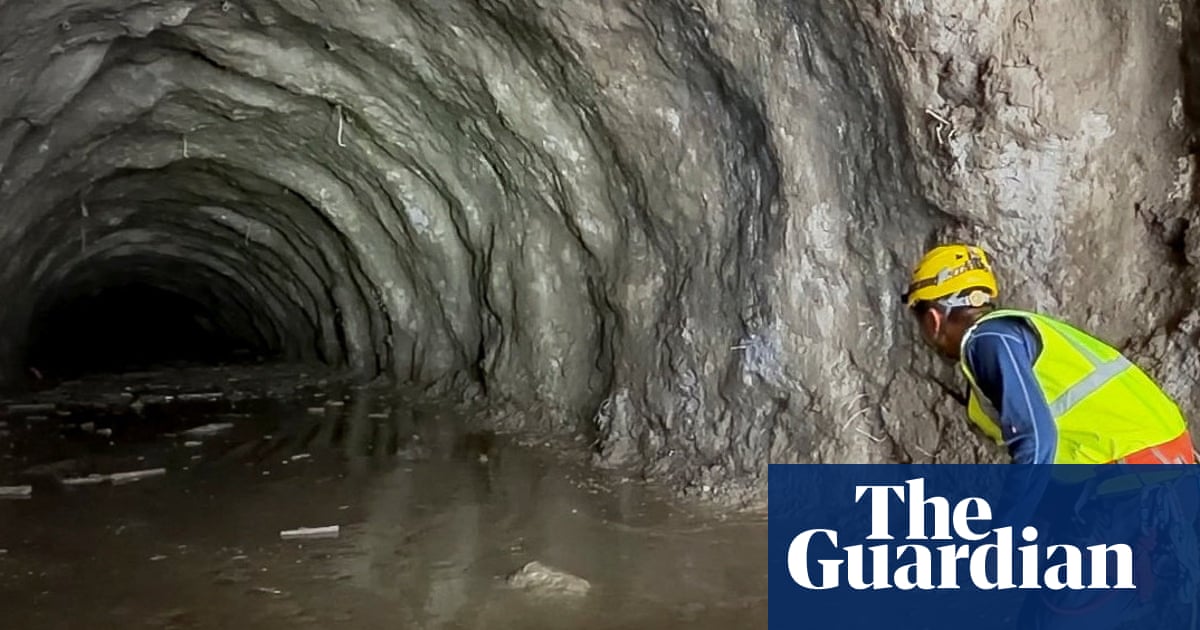
Rescue operations in Nepal have intensified as authorities race to reach more than 900 people believed to be trapped inside hydropower tunnels following catastrophic flash floods. The disaster management authority confirmed on Monday that the primary focus is locating individuals missing from roughly half a dozen hydroelectric projects in the flood-stricken regions. These underground sites present unique challenges, with rescuers battling through deep mud and debris that have blocked access routes. The situation remains critical as teams work to determine whether survivors remain within the internal infrastructure of these facilities.
The human cost of the deluge continues to mount. In Nepal, the death toll has reached 903, with 4,247 people reported missing, including 592 foreigners. Across the border in Tibet, Chinese authorities have recorded 16 deaths and 546 missing persons, among whom are over a hundred Nepali nationals. Hundreds of bodies, many unidentified, have been recovered from the valleys and buried in shallow graves on the plains after being swept down from the mountains by the torrent of ice, rock, and mud. The scale of the loss has overwhelmed local capacity, prompting a massive mobilization of security personnel and civilian volunteers.
Access to the trapped workers is severely hampered by the physical conditions inside the tunnels. Rescue teams, including army units and civilian guides, have reported that mud deposits are so deep that movement is extremely difficult, often reaching chest height. Improvised methods, such as using wooden planks to test depth and create makeshift bridges, have been employed to navigate the hazardous terrain. One rescuer described seeing what appeared to be bodies further inside a station after penetrating about 130 meters into the tunnel. Despite these grim observations, there is hope that some individuals may have survived by sheltering in designated safe areas within the hydroelectric infrastructure.
The logistical effort involves nearly 21,000 security personnel in Nepal, alongside significant support from neighboring countries. While Nepal has stated it does not require foreign assistance for general search and rescue, it has accepted expertise from India and China specifically for tunnel recovery operations. China has mobilized more than 2,100 rescue workers and allocated approximately $33 million to relief efforts, including airdrops of equipment and the use of life-detection technology. The coordination between nations is crucial given the cross-border nature of the disaster, which has impacted both sides of the Himalayan divide.
Weather conditions have repeatedly disrupted rescue attempts, forcing suspensions due to safety concerns and the risk of secondary flooding. A lake formed by the debris dam across the Nepal-China border began overflowing into Nepali rivers, raising fears of renewed inundation. However, improved weather on Monday allowed operations to resume with greater pace. District administrators in hard-hit areas like Rasuwa noted that while the terrain remains difficult, the window for effective rescue is narrowing as time passes without contact from those trapped underground.
The broader impact extends beyond immediate casualties, with the Red Cross estimating that more than 90,000 people have been affected by the disaster. In towns like Devighat, residents are sifting through the ruins of their homes along the Trishuli river, attempting to salvage belongings from the debris. The destruction has left communities grappling with both immediate survival and long-term recovery. Prime Minister Balendra Shah described the event as an unprecedented natural disaster, emphasizing the determination to save lives despite adverse conditions and continuing risks.
Attribution of the cause points to climate-related factors. Chinese state media reported that the flood was triggered by glacier instability resulting from the long-term effects of global warming, labeling it a new feature of cryosphere disasters on the Tibetan plateau. This characterization aligns with expert opinions linking extreme weather events to climate change. However, the disaster has also highlighted gaps in regional cooperation. Nepali officials have expressed concern that China has not shared sufficient data on glacier risks and water levels, despite earlier meetings aimed at strengthening collaboration. This lack of transparency could hinder future disaster preparedness efforts.
As rescue teams continue their work, the focus remains on locating survivors while managing the aftermath of one of the region's most devastating natural events. The combination of geological instability, climate change impacts, and infrastructural vulnerability has created a complex emergency response scenario. International attention is likely to remain fixed on Nepal and Tibet as authorities strive to account for all missing persons and assess the full extent of the damage. The coming days will be critical in determining how many of those trapped can be saved and how communities will begin the arduous process of rebuilding.
Sources behind this briefing
Go to the original reporting
- The Guardian US↗Nepal-Tibet floods: rescuers race to reach 900 people believed trapped in hydropower tunnels

